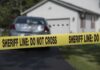
Two teens who met online are accused of planning to ram a car into a Houston synagogue to “kill as many Jews as possible,” a stark warning about how fast hate and the internet can turn into real-world danger.
Story Snapshot
- Prosecutors charged an 18-year-old from North Carolina with two felony conspiracy counts tied to a Houston synagogue plot.
- A Harris County juvenile was also arrested, pointing to a multi-person plan, not a lone threat.
- A judge cited alleged intent to “kill as many Jews as possible” in ordering detention.
- The teen’s father says it was online fantasy role-play, not a real plot.
What Investigators Say Happened
Prosecutors in North Carolina and Texas say two teens who met online agreed to attack Congregation Beth Israel in Houston. Court records quoted by reporters describe a plan to drive through a synagogue congregation and “kill as many Jews as possible.” A district court judge referenced that line when ordering detention. Authorities charged 18-year-old Angelina Han Hicks with conspiracy to commit murder and conspiracy to commit assault with a deadly weapon. Reporters say the arrests followed a tip to the Federal Bureau of Investigation (FBI).
Law enforcement across two states moved quickly. The Davidson County Sheriff’s Office in North Carolina worked with the FBI. Houston Police and Harris County juvenile authorities took part on the Texas end. A juvenile in Harris County was arrested and charged, which supports the claim of a group effort. Reporters also noted names or nicknames of possible co-conspirators in some records, though details remain thin in public reporting.
The Charges, The Evidence Gap, and What We Do Not Know
Hicks faces two felony conspiracy counts, according to court and jail reporting. That means prosecutors say there was an agreement and steps toward an attack. But the public has not seen the actual messages or files that allegedly show planning. News stories rely on summaries from court documents and officials. The record so far does not explain weapons access, travel plans, or target scouting. Those gaps matter because they speak to how close this came to action versus talk.
Some links among alleged partners also remain unclear. Reporters did not name the initial tipster or map the full chain from online chats to arrests. Juvenile privacy rules further limit what can be shared. These blind spots are common in fast-moving threat cases. They protect investigations and minors, but they also leave citizens to trust official summaries. That can fuel doubts on both left and right about transparency and fairness in how these cases are built.
Defense Pushback and Youth Factors
Hicks’ father rejects the claims. He told reporters that the online chatter was a “fantasy game,” not a real plan. He said his daughter did not drive, had no car, and had never used a gun. Hicks’ attorney told reporters the case is in early stages and that her youth could shape the defense. A lawyer for the 16-year-old in Texas argued in court that the teen only received messages and did not plan or push for an attack.
Courts will decide what the evidence shows. For now, the competing stories are clear: prosecutors see agreement and intent to commit mass murder, while the families and defense point to immature online role-play and lack of means. Both can be true to a point: many teen plots start as talk but some do not stop there. That is why conspiracy laws exist—to act before violence begins—yet they must rest on solid proof, not only scary words.
Why This Case Hits a National Nerve
Recent history shows repeated threats and attacks against Jewish houses of worship. Small groups, and at times minors, have targeted synagogues before. Analysts at West Point’s Combating Terrorism Center found minors appear in many foiled plots, with targets similar to adults. These patterns help explain why police and judges may lean toward caution when tips surface. Communities also close facilities out of care for life, even when details are thin in public.
United States: A suspected mass casualty attack against a Houston synagogue has led to arrests in two states.
Authorities say 18 year old Angelina Han Hicks of North Carolina and a 16 year old girl in Houston were charged in connection with an alleged plot targeting Congregation… pic.twitter.com/QyHAPATpgV
— Israel News Pulse (@israelnewspulse) September 26, 2026
Many Americans, across politics, worry that elites and institutions hide facts while asking for trust. This case sits in that tension. People want prevention, but they also want proof. Officials say an FBI tip stopped a mass-casualty plan. Families say it was dark online fantasy. The surest path now is open court: show the chats, timelines, and steps, within legal limits. Sunlight can protect both safety and liberty—and help a weary public see the line between talk and terror.
Sources:
twitchy.com, apnews.com, abcnews.com, abc13.com, tpr.org, jns.org, justice.gov