

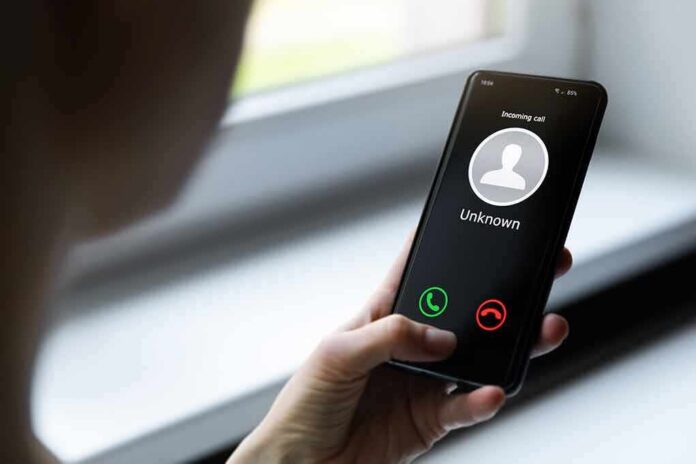
Scammers are cloning loved ones’ voices to fake kidnappings and pressure families into paying fast ransoms, according to federal warnings and sworn testimony.
Story Snapshot
- Federal officials warn criminals use artificial intelligence voice clones to stage fake kidnappings.
- A mother told the Senate a caller used her teen’s cloned voice to demand $50,000; no kidnapping occurred.
- The Federal Trade Commission (FTC) says a short online audio clip can enable a convincing clone.
- The FBI says virtual kidnappings are a known scheme, long-running and often underreported.
How the Scam Works: From a Short Clip to a Fake Ransom Call
Scammers start by pulling a short recording of a person’s voice from social media or other posts. They then use a voice cloning tool to recreate the person’s speech and emotion. Next, they call a parent or spouse and play the clone. The fake victim sounds panicked and begs for help. A second caller poses as a kidnapper and demands money right away. The Federal Trade Commission says this approach is real and growing.
Criminals add pressure by blocking normal contact. They may spoof the caller identification and threaten harm if the target calls police. They insist on quick payment by wire, crypto, or gift cards. The voice clone makes the story feel true. Parents fear the worst. Federal officials have urged people to slow down and verify before sending money. They advise calling the loved one at a known number or using group texts to check safety.
A Chilling Case That Reached the United States Senate
In sworn testimony to the United States Senate Judiciary Committee, Jennifer DeStefano described a call where a voice that sounded exactly like her teenage daughter cried for help. A man claimed he had kidnapped the girl and demanded $50,000. She later confirmed her daughter was safe. No kidnapping occurred and no money was sent. Her account shows how convincing a clone can be under stress.
DeStefano’s experience mirrors the playbook the FTC and other experts describe. The clone mimicked fear, sobs, and pacing breath. The demand was urgent and large. The caller tried to control the timeline. The story also shows what can work. Helpers contacted 911, tried parallel calls, and kept the caller talking. That bought time to locate the child and avoid a costly loss. Officials say quick verification is key.
What Authorities Say and Why It Matters Now
The Federal Bureau of Investigation (FBI) has tracked virtual kidnappings for years, even before artificial intelligence cloning tools. Many schemes began as social engineering calls. People were rushed into paying before they could check. The FBI says many cases are never reported, and the bureau does not maintain national statistics specific to this scam. The pattern is real and recurring, with losses tied to urgency and fear.
The FTC has begun targeted work on voice cloning harms, including guidance and policy input for phone protections. The agency warns that artificial intelligence can supercharge imposter scams by making a fake voice sound familiar and urgent. It urges families and workplaces to set code words, use call-back rules, and share less voice content online. These steps cut the odds that a short clip can be turned into a weapon against you.
How Families Can Fight Back Without Fancy Tech
Parents can set a family code word for real emergencies. Teens can mark social posts private and limit voice clips. If a scary call comes in, hang up and call the loved one back at a saved number. Use group texts to reach friends or coaches who can confirm location. Contact local police or the FBI if a threat involves a claimed kidnapping or ransom. The best move is to slow down, verify, and refuse fast payment demands.
Sources:
youtube.com, judiciary.senate.gov, courthousenews.com, consumer.ftc.gov, ftc.gov, nypost.com, stories.wf.com, kiro7.com, businessinsider.com