Two young hikers from Utah spent 36 hours trapped on Mount Shasta, stranded at the bottom of a rocky gulch between cliffs up to 50 feet tall before rescuers heard them shouting for help.
Story Snapshot
- A 19-year-old man and 20-year-old woman called 911 around 10:20 p.m. on October 12 from about 11,000 feet, saying they were freezing with no extra clothes, food, or water.
- Temperatures on the mountain dropped to roughly 14 to 16 degrees Fahrenheit overnight.
- Search teams heard the pair shouting around 4 p.m. the next day from Cascade Gulch, trapped near 30- to 50-foot cliffs about 1,000 feet off the McBride Springs Trail.
- Both hikers were uninjured and climbed out of the gulch with help from rescuers.
- Reports say this marks the third rescue in the area within a single month.
A Day Hike Turns Into a Night of Survival
The two hikers set out on Mount Shasta expecting a day trip. Instead, they got lost while heading back down and ended up stuck between Avalanche Gulch and Cascade Gulch. Around 10:20 p.m. on October 12, they called the Siskiyou County Sheriff’s Office from about 11,000 feet, saying they were freezing and had run out of food, water, and warm clothing.
Overnight temperatures at that elevation fell to roughly 14 to 16 degrees Fahrenheit, cold enough to put the hikers at serious risk of hypothermia. The exact moment they became separated from their planned route is not detailed in official reports, but the call placed them far from the trail they meant to follow back to safety.
Rescue Teams Comb the Mountain
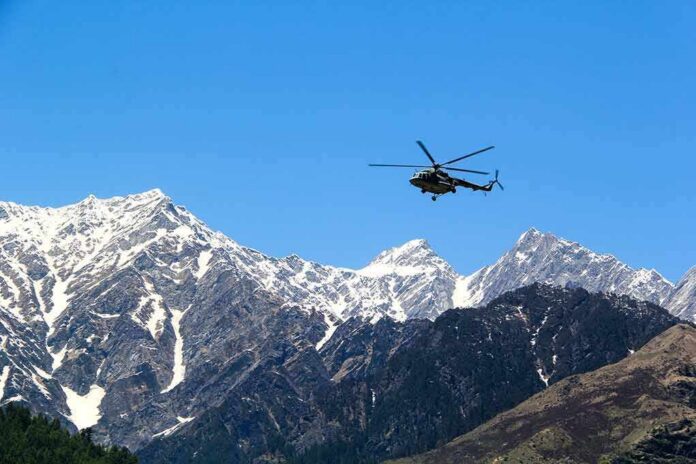
Siskiyou County deputies launched a search that grew to include ground crews, aircraft, a second search team, and a U.S. Forest Service climbing ranger. All of them focused on the gulches where the hikers’ last call had placed them. The scale of the response reflects how dangerous Mount Shasta’s terrain becomes once hikers lose the trail after dark.
Search crews worked through the night and into the next day without contact from the pair. The break came around 4 p.m. on October 13, nearly 18 hours after the first call, when rescuers finally heard the hikers shouting from below.
Found Between the Cliffs
The hikers were located at the bottom of Cascade Gulch, caught between cliffs ranging from 30 to 50 feet high and roughly 1,000 feet from the McBride Springs Trail. That spot sits well off the standard route, underscoring how far the pair had drifted while trying to find their way down in worsening conditions.
The Sheriff’s Office said both hikers walked away without injuries. “Fortunately, both hikers were uninjured, and were ultimately able to climb out of the gulch with assistance,” the office said in a statement. They had spent close to 36 hours exposed to freezing temperatures, mostly without adequate gear.
A day hike on Mount Shasta turned into a much longer ordeal.
Search crews spent Tuesday looking for the two hikers, and SCSO says the rescue comes amid growing concern about conditions on Avalanche Gulch.https://t.co/GIIcgKqvvj#MountShasta #SiskiyouCounty pic.twitter.com/EjqU9118N1
— Jefferson Daily News (@JeffDailyNews) October 15, 2026
Officials have not released a detailed account of exactly where the hikers meant to go or when they first realized they were off course. Reports confirm the broad strokes — the call, the location, the rescue — but do not include the hikers’ own description of what happened on the mountain.
A Mountain Known for Close Calls
This rescue is reportedly the third on Mount Shasta in the span of a month, a pattern that has drawn attention to how often hikers misjudge the mountain’s terrain and weather. Just weeks earlier, in September, another group of climbers on the same mountain got stranded overnight after using an artificial intelligence tool to help plan their route, a case that renewed attention on what local guides call the “12 p.m. turnaround rule” — a long-standing recommendation to head back down by noon if the summit hasn’t been reached, so hikers have enough daylight to get out safely.
Mount Shasta’s own climbing advisory service lists an alpine start between 2 and 5 a.m. with a turnaround window of noon to 1 p.m. as standard guidance for anyone attempting the peak. Whether this month’s pair knew about or followed that guidance isn’t addressed in the available reports, but the broader pattern of rescues points to a mountain where small delays in daylight and weather can turn a routine hike into an emergency fast.
Sources:
siskiyou.news, latimes.com, abcnews.com, people.com, nypost.com, kutv.com