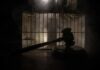

Dashcam video shows a Tesla drive through flares and cones and slam into a marked California Highway Patrol car, seriously injuring two officers.
Story Snapshot
- Driver told investigators he fell asleep as the Tesla operated in Full Self-Driving mode.
- Crash happened inside a clearly marked freeway closure with flares, cones, and emergency lights.
- Two California Highway Patrol officers in the struck patrol car suffered serious injuries and were hospitalized.
- Tesla’s own guidance says drivers are always responsible when using driver-assistance features.
CHP Says Tesla Entered a Marked Closure and Hit a Patrol Car
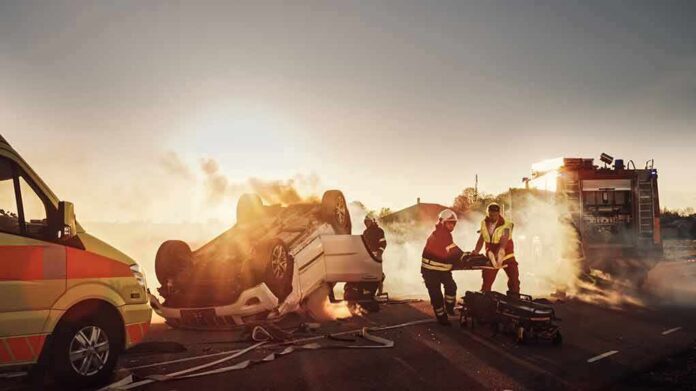
California Highway Patrol investigators said the Tesla entered a lane closure on Interstate 80 in Fairfield late Tuesday. Officers were working a prior fatal crash. The scene had flares, cones, and flashing emergency lights. The patrol vehicle, a Dodge Charger, sat in the closed lane. Dashcam video shows the Tesla continue forward at freeway speed and hit the rear of the cruiser. The impact seriously injured two officers inside the car, who were later released from a Fairfield hospital.
Investigators said the driver told them he was asleep and that the vehicle was in Tesla’s Full Self-Driving mode. Some outlets reported that officials had not yet confirmed whether the feature was active at the exact moment of impact. The video released by California Highway Patrol provides a clear view of the approach and the strike, but it does not by itself prove software status. The agency said its investigation is ongoing, including potential driver behavior and system use.
Driver Responsibility and Tesla’s Stated Rules
Tesla markets its driver-assistance package as Full Self-Driving, with the current label “Full Self-Driving (Supervised).” The company’s legal page says drivers are always responsible for safe operation when using these features. It also says drivers must only use the system when it is safe and legal. That means hands, eyes, and attention must remain on the driving task. The policy places the duty to react to hazards, closures, and emergency scenes on the human behind the wheel.
That guidance matters in this case. The crash happened in a place where trained officers signaled danger with flares and lights. Even advanced driver-assist systems can miss unusual scenes. Cones, angled cruisers, and bright strobes can confuse sensors. A focused driver can add judgment that software still lacks. The warning from Tesla is plain: technology can help, but it cannot replace an alert driver who is ready to brake and steer at any moment.
What the Video Shows and What It Does Not
The dashcam clip, released by California Highway Patrol, shows the Tesla traveling in a straight line toward the closed lane. The video captures the patrol car’s lights and the flares before impact. The Tesla does not appear to change lanes or slow in time to avoid the crash. The footage supports the agency’s description of the path into the closure. The video does not reveal the car’s exact speed, software state, or any alerts that may have sounded inside the cabin.
Reporters noted that California Highway Patrol has not yet identified a filed criminal charge from the incident. Officials said the investigation continues. That process can include checking vehicle logs, driver attention warnings, and phone use. It may also involve a deeper review of road layout, lighting, and the timing of flares and cones. Those steps can determine whether laws were broken and what safety lessons can prevent the next crash.
Why This Hits a Nerve Across the Political Spectrum
People on the left and right share a basic expectation: emergency scenes on public roads must be safe. When a marked closure with flares and lights gets breached, trust in both drivers and systems takes a hit. Many Americans already feel let down by leaders and regulators who appear slow to keep pace with new tech. They see big companies market cutting-edge features while everyday people and first responders carry the risk when things go wrong.
A Tesla driver who says he was asleep plowed into a California Highway Patrol car on Interstate 80 in Fairfield late Tuesday night, seriously injuring two officers, and federal safety regulators said Friday they are investigating, NBC News reported. According to CHP, officers had… pic.twitter.com/KPio5nhX7l
— Words Have Meaning | Word Files (@dlcampbell05) October 18, 2026
Policy fights often stall while crashes keep happening. Clear rules, honest labels, and strong enforcement can help. Companies should design features that resist misuse and prompt drivers to stay engaged. Drivers must treat assistance as assistance, not autonomy. Agencies should publish findings fast and in plain language. The goal is simple and shared: protect life on the road. The Fairfield crash is a stark reminder that attention behind the wheel still decides outcomes.
Sources:
washingtontimes.com, nbcbayarea.com, tesla.com, people.com, abc7news.com, cbsnews.com, yahoo.com, economictimes.com