Wisconsin’s absentee ballot activity has dropped about 30% from 2022 levels, signaling a major shift in how people plan to vote in 2026.
Story Highlights
- Absentee-by-mail activity is down roughly 30% from the same point in 2022.
- State officials say voters are shifting to in-person absentee to avoid mail delays.
- Election leaders still expect more than 2.6 million total voters statewide.
- Clerks received a court ruling on counting ballots delayed by official error.
What changed in Wisconsin’s absentee numbers
Wisconsin is seeing fewer absentee-by-mail moves this fall than in 2022. Wisconsin Public Radio reported clerks had received about 128,000 mailed absentee ballots three weeks before the election, down from nearly 184,000 at the same point in 2022, a drop of about 30 percent. A separate comparison said 347,984 absentee requests were logged by October 12, 2026, versus 493,039 in 2022, also about a 30 percent decline. Both figures point to a clear pullback from mail.
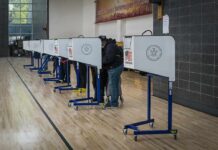
Officials and clerks describe the change as a shift in method, not a collapse in voting. Wisconsin Elections Commission Administrator Meagan Wolfe said voters worry about postal delays and now prefer options they can see and control, like voting early and in person. Local clerks echoed that pattern. They report more questions about in-person absentee voting and expect higher turnout at early-vote sites as mailed requests fall.
How election leaders explain the shift
State and local leaders say trust and convenience are driving choices this year. Wolfe pointed to concern about United States Postal Service timing and greater awareness of drop-off and early in-person options. Dane County’s clerk linked the decline in mailed ballots to lower confidence in delivery and a return toward pre-pandemic habits, when many voters cast ballots early but in person. These factors suggest voters are still engaged, but want fewer steps and fewer chances for error.
The statewide turnout outlook supports that idea. Wisconsin election officials told local media they expect more than 2.6 million total voters in the general election, even as fewer people request ballots by mail. If that holds, the shift in absentee activity would reflect how people vote, not whether they vote. That said, lower mail volume reduces pressure on postal timing but increases demands on early-vote sites and clerks managing in-person traffic.
Administration risks and safeguards for 2026
Election administration must keep pace with changing behavior. Fewer mailed ballots can cut problems tied to delivery, but it raises other stress points. Cities need enough early-vote staff, working equipment, and clear lines to move people fast. The Wisconsin Elections Commission continues to publish step-by-step guidance for voters on requests and returns, including online tools and best practices that help reduce avoidable errors. Clear directions lower confusion and help clerks process ballots on time.
Wisconsin Democratic gubernatorial primary: Polls (including Marquette Law School) showed Francesca Hong with large double-digit leads (polling averages around 20 points ahead); she narrowly lost to David Crowley.
— TheProf (@SocraticBloke) October 15, 2026
Courts also weighed in on ballot handling. A Dane County judge ruled clerks may count ballots that are in a municipality’s possession by 8 p.m. on Election Day but reach polling places late because of errors by local officials. That ruling aims to protect voters from government mistakes. Still, it puts pressure on chain-of-custody checks and record keeping. The goal is simple: count every lawful vote, while keeping a tight, transparent process the public can trust.
Why this matters beyond one state
Wisconsin’s trend fits national movement since the pandemic. Mail voting surged in 2020, then cooled in 2022 and 2024, while staying a major option for many states. When voters switch from mail to in-person absentee, the workload shifts from the mailbox to the clerk’s counter. That swap can be healthy if offices are ready. If not, long lines and late nights can feed anger on both the right and left about a system they feel answers to insiders, not citizens.
Bottom line for voters and officials
Voters want speed, clarity, and certainty. Officials say they are prepared, even with fewer mail ballots and more early in-person votes this year. The shared test is execution. Clear rules, enough staff, working machines, and timely public updates build trust. In a year when many Americans doubt that leaders put people first, a smooth, transparent count in Wisconsin would be a small but real win for everyone who believes the process should serve the voter, not the bureaucracy.
Sources:
cnn.com, factcheck.afp.com, wpr.org, elections.wi.gov