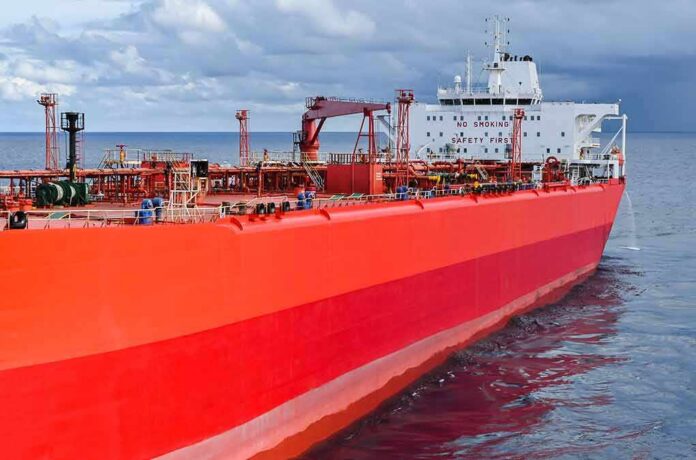
President Trump said Vladimir Putin agreed to rush 300,000 tons of Russian diesel into the market, and the U.S. Treasury then issued a narrow license to let certain shipments move.
Story Snapshot
- Trump announced staged Russian diesel volumes after speaking with Putin.
- Treasury issued a temporary license for specified Russian diesel shipments.
- Russia signaled readiness to scale deliveries depending on refinery operations.
- The move aimed to ease high diesel prices heading into U.S. midterms.
What The White House Announced And When
President Trump said on October 9, 2026, that Russia would “immediately” supply over 300,000 tons of diesel. He outlined 500,000 tons in November and one million tons after that, with a possible extra three million tons depending on Russian refinery conditions. Major outlets reported the sequence after Trump described a “highly successful” talk with President Putin. The administration presented the step as a tool to boost supply and cool prices for truckers, farmers, and shippers.
The U.S. Treasury followed the announcement with a temporary authorization. The measure allowed Russian diesel loaded on tankers as of October 9 to move without sanctions exposure through April 7, 2027, within defined limits. Reporting described this as a targeted license rather than a broad reopening of trade. That structure mirrors past use of limited waivers to manage energy shocks while keeping a wider sanctions framework in place.
How Much Fuel And Why It Matters
Russian officials indicated the same staged volumes: about 300,000 tons in October, 500,000 tons in November, and one million tons in December, subject to refinery repairs and operating status. Those numbers would add supply to a tight market shaped by refinery outages and trade shifts since Europe barred most Russian petroleum products in 2023. Analysts stressed the plan sought to relieve high diesel prices that hit freight, food, and home heating budgets nationwide.
The headline figures drew attention because the United States and its allies had pressed Moscow with sanctions after the Ukraine invasion. Outlets framed the step as a sharp policy turn meant to tackle costs before midterm voting. Energy diplomacy often uses time-limited licenses like this to avoid deeper market pain while signaling that core sanctions policies still stand. Treasury’s inspector work has tied similar licenses to short-term stability in past episodes.
Limits, Risks, And The Road Ahead
The public record confirms an announcement and a license, but not completed deliveries or price effects. One report noted the first 300,000 tons would be a small share of global demand, and it would only cover a brief slice of U.S. daily use on paper. The largest potential tranche, three million tons, depends on Russian refinery conditions. That caveat leaves execution risk if repairs slip or if export rules inside Russia change again.
Trump Announces Russia Will Supply Millions of Tons of Diesel to Help Lower Fuel Prices. Trump said he reached the agreement during a discussion with Russian President Vladimir Putin.https://t.co/hprs15O899
— Papa Hemingway✝️✡️ 🇺🇸 (@PopHemingway) October 10, 2026
Sanctions compliance remains another hurdle. Even with a license, companies weigh legal terms, insurance, banking rules, and reputational costs before handling Russian cargo. The authorization’s timing and scope signal a focused attempt to ease supply pressure without tearing down the larger sanctions wall. For families staring at fuel bills and for businesses that move America’s goods, the test is simple: do barrels arrive, and do pump prices fall in a way people can feel?
Sources:
feedpress.me, rmb.reuters.com, ttnews.com, lemonde.fr, foxbusiness.com, amp.dw.com, eia.gov, ofac.treasury.gov