

A controversial second strike by US forces in Syria raises serious questions about legal and ethical constraints in combat operations.
Story Highlights
- The second strike targeted individuals who were reportedly aiding the wounded.
- Admiral Bradley’s explanation does not align with international humanitarian law, according to experts.
- Survivors were “waving at something in the air,” suggesting non-hostile intent.
- The incident has sparked calls for investigation and accountability.
Legal and Ethical Concerns in the Second Strike
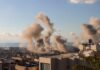
On September 2, 2024, U.S. Central Command executed a drone strike in northwest Syria targeting suspected drug traffickers linked to Captagon trade. Following the initial strike, a second strike hit individuals arriving on the scene, reportedly to aid the wounded, sparking outrage. Legal and human rights experts argue this second strike conflicts with the law of armed conflict and standard rules of engagement, raising serious concerns about the operation’s legality and morality.
Admiral Frank Bradley, head of U.S. Special Operations Command, briefed lawmakers, stating survivors of the first strike were observed “waving at something in the air.” Despite this ambiguous signal, the U.S. aircraft executed a second lethal engagement. This behavior is widely interpreted as consistent with surrender or seeking aid, casting doubt on the justification for the second strike.
Expert Criticism and Media Scrutiny
The operation has come under intense scrutiny following CNN’s reporting and subsequent expert commentary. Analysts argue that the explanation for the second strike remains unconvincing, and there are calls for a comprehensive investigation into the incident. The admiral’s account, acknowledging the “waving” gesture, has become a focal point of criticism, as it challenges a straightforward hostile intent narrative and questions the legality of such military actions.
In the broader context, U.S. drone warfare practices, including follow-on strikes, have been controversial, especially when civilian harm and target identification are in question. The case continues to be held up as an example in debates about U.S. drone warfare norms and accountability for post-strike engagements.
Impact and Response
The second strike has led to a short-term erosion of trust in U.S. claims of precision and legality in Syria operations. Local populations may experience heightened fear and resentment, undermining U.S. counterterrorism objectives and potentially creating sympathy for anti-U.S. actors. Internally, the military may face reviews of targeting procedures and strike authorization standards.
Long-term implications include potential changes to norms of drone warfare and increased pressure to tighten rules of engagement, particularly concerning ambiguous behaviors like “waving” and engagements with wounded individuals. The incident may also strengthen oversight norms on the use of force by Congress.
Sources:
The Second Strike Isn’t the Only Problem