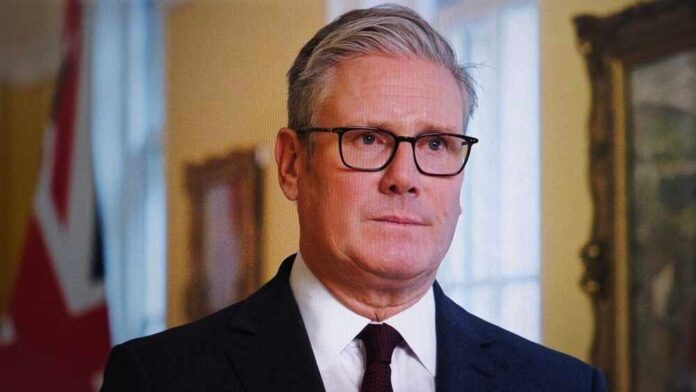
British Prime Minister Keir Starmer’s lingering Epstein scandal exposes elite corruption across the Atlantic, reminding Americans of the deep state threats President Trump continues to battle.
Story Highlights
- Starmer appointed Epstein-linked Peter Mandelson as US Ambassador in 2024 despite vetting questions, leading to dismissal after email revelations.
- Mandelson lied about post-conviction Epstein ties, prompting police referral, title stripping, and Privy Council removal.
- Opposition leader Kemi Badenoch hammered Starmer’s judgment, fueling distrust in UK leadership amid elite impunity.
Scandal Origins and Appointment Failure
Keir Starmer appointed Peter Mandelson as UK Ambassador to the United States in December 2024 alongside Foreign Secretary David Lammy. Mandelson, a Labour peer with known ties to Jeffrey Epstein after his 2008 child sex offense conviction, faced direct vetting questions from Starmer on Epstein contact, prison visits, and Ghislaine Maxwell links. Mandelson misrepresented these relationships, claiming minimal involvement. This lapse occurred amid post-Brexit efforts to strengthen UK-US ties under President Trump. The decision prioritized diplomacy over rigorous scrutiny of elite connections.
Emails Ignite Crisis and Swift Dismissal
Releases from the US House Oversight Committee revealed emails showing Mandelson’s deeper Epstein involvement. Documents depicted Mandelson staying at Epstein properties, associating with Maxwell’s charity, and calling Epstein’s 2008 prison release “liberation day.” He even questioned the conviction’s validity. Starmer defended Mandelson on September 10 during Prime Minister’s Questions but dismissed him the next day. The Foreign Office cited a “materially different” relationship depth than disclosed. Mandelson received a £75,000 payoff upon exit.
Starmer’s February Reckoning and Aftermath
In February 2026 Prime Minister’s Questions, Starmer admitted knowing of Mandelson’s Epstein ties during appointment but blamed repeated lies. He condemned the betrayal, referred materials to police for leaks and misrepresentations, and announced legislation to strip peers of titles. King Charles III agreed to Mandelson’s Privy Council removal. Mandelson resigned from Labour and the House of Lords, facing ongoing probe. Opposition leader Kemi Badenoch grilled Starmer on his leadership trust at PMQs.
Media views Starmer’s response as damage control, with vetting failures labeled a “smoking gun.” No ethics investigation vote against Starmer materialized, despite social media buzz. The episode embarrassed Labour, eroded public trust, and highlighted elite accountability gaps. Epstein victims gained Starmer’s solidarity, yet scrutiny on UK political vetting intensified. Long-term, it may strain UK-US relations if leveraged and spur House of Lords reforms. Conservatives see parallels to American fights against globalist elites undermining national sovereignty.
British PM Starmer Faces Crucial Vote in the House of Commons Tomorrow To Decide If He Will Face Ethics Investigation Over Jeffrey Epstein-Peter Mandelson Crisis
READ: https://t.co/sTJceCrZtH pic.twitter.com/1h8r1JcHT4
— The Gateway Pundit (@gatewaypundit) April 28, 2026
Broader Implications for Global Elites
This scandal underscores frustrations shared by conservatives and liberals alike: governments prioritize self-preservation over citizens. In 2026, with President Trump advancing America First policies against deep state resistance, Starmer’s mishandling warns of elite networks evading justice. Mandelson’s history echoes broader UK scrutiny like Prince Andrew’s Epstein links. UK public outrage over impunity mirrors American demands for transparency. Limited post-February updates confirm resolution, but the damage to Labour’s credibility persists, amplifying calls for systemic change.