A mysterious wave of refinery fires across seven countries threatens America’s energy security, raising alarms about potential sabotage amid global tensions.
Story Highlights
- Series of unexplained refinery incidents in the US, India, Iraq, Mexico, Ecuador, Australia, and Myanmar since late February 2026, labeled as accidents.
- Coincides with Iran’s Strait of Hormuz closure after US/Israeli strikes, disrupting 20% of global oil trade and refined product supplies.
- China remains unaffected, stockpiling discounted crude while Western economies face shortages and price spikes.
- Suspicious financial bets preceded geopolitical announcements, fueling questions of coordinated disruption.
- Aging refineries prone to failures, but the pattern prompts concerns over national vulnerabilities ignored by past policies.
Wave of Refinery Incidents Sparks Suspicion
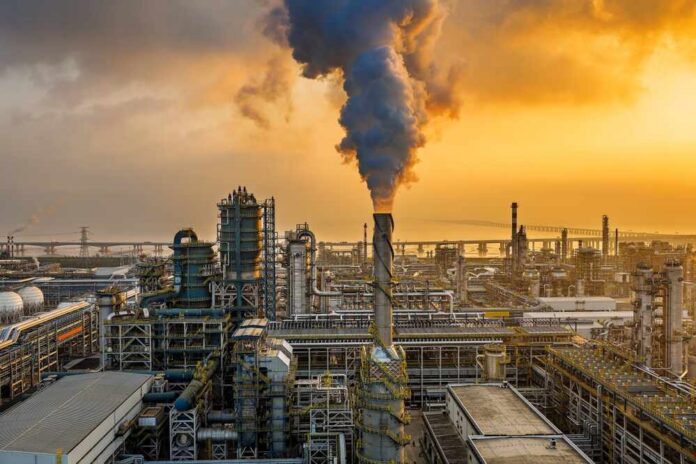
Refinery fires erupted in seven countries starting late February 2026. The United States, India, Iraq, Mexico, Ecuador, Australia, and Myanmar reported technical faults, leaks, and system failures at oil facilities. Officials classify all as accidents, unlike overt attacks on Russian sites during the Ukraine conflict. No wars target these nations directly, yet the timing aligns with heightened geopolitical strains. Americans face immediate risks to fuel supplies essential for daily life and national defense.
Geopolitical Tensions Fuel the Crisis
US and Israeli strikes on Iran preceded Iran’s closure of the Strait of Hormuz in February 2026. This chokepoint handles 20% of global oil trade, severing refined product chains worldwide. Disruptions exceed the 2022 Ukraine crisis impacts. China avoids these fires, actively stockpiling cheap Iranian and Russian crude. Financial traders placed bets on falling oil prices before announcements, hinting at foreknowledge. Such vulnerabilities expose how foreign powers exploit Western dependencies on fragile energy infrastructure.
Aging Infrastructure Heightens Risks
US refineries average over 40 years old, some dating to the 19th century. Complex operations involve extreme heat, pressure, chemicals, and hydrofluoric acid, causing frequent accidents. Past events include the 2019 Philadelphia explosion from pipe rupture and the 2012 Chevron Richmond incident affecting 15,000 residents. From 2017-2023, refineries saw 1,500 injuries and 7 deaths. Regulations and pollution concerns drive closures, with half of US capacity potentially shuttered in two decades. Neglect of maintenance undermines energy independence.
Communities near refineries endure toxic emissions of 188 chemicals. Over 13 million Americans risk hydrofluoric acid exposure. Workers and fenceline residents suffer most from these systemic failures. Global incidents amplify health and safety threats during supply disruptions.
Economic and Political Ramifications
Oil price spikes and product shortages buckle economies. Supply chains fracture worse than prior crises, hitting consumers with higher costs. Refinery shutdowns challenge energy transitions amid unmet renewable promises. Political pressures pit energy security against emissions goals. Critics highlight how past “woke” policies ignored economic realities, leaving the US exposed. Both conservatives and liberals share frustration over elite mismanagement eroding the American Dream.
Why are they DESTROYING oil refineries around the world? | Redacted w Clayton Morris https://t.co/u1aQxAPW9I
— Пейчо Радулов (@peio_r) April 24, 2026
China gains leverage as the sole major importer unscathed. Port Stanvac in Australia sold for housing, eliminating a key crude site. Emergency measures falter against ongoing Hormuz blockade and fire patterns. Analysts question if stress alone explains the rash or if calculated moves benefit adversaries. President Trump’s administration confronts inherited vulnerabilities in a second term with GOP congressional majorities.
Sources:
Oil Refineries: A Deadly Industry
The Refinery Problem: A Different Kind of Energy Crisis in 2026