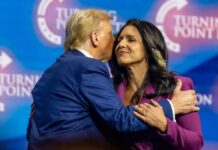
After years of boycotts and open warfare with the press, President Trump is walking into the White House Correspondents’ Dinner anyway—and Washington’s media class isn’t sure whether it’s a thaw or a trap.
At a Glance
- Trump is attending the White House Correspondents’ Dinner on April 25, 2026, his first time attending as president after skipping the event throughout his first term and again in 2025.
- The dinner is being held at the Washington Hilton, with arrivals beginning around 6 p.m. ET, and coverage framing the night as unusually tense.
- The event replaced the traditional comedian with mentalist Oz Pearlman, signaling a format change amid concerns about a political “roast” dynamic.
- Trump is attending personally even as his administration has been ordered to boycott, creating a split-screen message of engagement and discipline.
- Journalists and the WHCA are using the moment to argue for press freedom, while Trump allies preview a humor-forward appearance.
A first appearance that breaks his own precedent
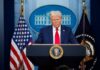
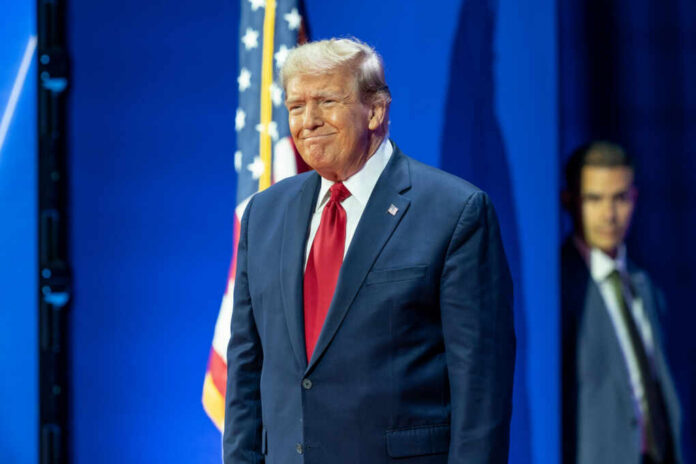
President Donald Trump is attending the White House Correspondents’ Dinner on April 25, 2026, at the Washington Hilton, marking his first appearance at the event as commander-in-chief. Trump attended in 2011 as a guest, but he skipped every dinner during his first term and also stayed away from the first dinner of his second term in 2025. This year’s decision breaks his prior boycott pattern and instantly raises the political stakes inside the ballroom.
The dinner has long functioned as an establishment ritual where reporters, politicians, and celebrities mingle while a comedian delivers a sharp monologue—often at the president’s expense. The WHCA traces the tradition back to 1924, when Calvin Coolidge became the first sitting president to attend, and most modern presidents have shown up at least once. Trump’s earlier refusal made him the defining exception, and his return forces both sides to test whether any normal rules apply.
Why the format changed: no comedian, less predictable “roast” politics
This year’s program includes a notable departure: mentalist Oz Pearlman is hosting instead of a traditional comedian. On its face, the switch lowers the odds of a viral stand-up set that could inflame tensions between the White House and national media. At the same time, a non-comedy host does not necessarily reduce conflict; it simply changes how it is expressed, especially when the room is already primed for rivalry rather than reconciliation.
The media angle is rooted in a long-running relationship breakdown that predates Trump’s presidency but intensified during it. Trump repeatedly criticized the press during his first term, including labeling outlets hostile, and his administration has used access, messaging strategy, and public confrontation as leverage in the broader political fight. Critics view his appearance as a “contradiction” given those attacks, while supporters see it as a rare moment where Trump confronts his opponents directly, without intermediaries.
The boycott order adds a loyalty test inside the administration
A key wrinkle is that Trump’s personal attendance comes alongside an administration-wide boycott order. Reporting indicates Trump directed officials not to attend, even as he chose to go himself. That split decision matters because it creates two separate messages: one that the president is willing to show up in person and dominate the narrative, and another that the bureaucracy and political appointees are expected to keep distance from an event the White House has long portrayed as a self-congratulatory media spectacle.
For conservatives who have watched unelected institutions accumulate influence—from corporate HR departments to federal agencies—the boycott-versus-attendance tension also fits a familiar theme: the fight isn’t only between parties, it’s between competing power centers. Trump’s choice to appear can be read as an attempt to take the argument straight to a room full of decision-makers in media and politics. But the sources available before the event do not confirm what he will say, how the room will respond, or whether any durable détente follows.
Press freedom rhetoric meets public distrust in institutions
Journalists and the WHCA are using the dinner to emphasize press freedom, while Trump allies have teased that his remarks will be comedic. The clash is not simply cultural; it reflects collapsing public trust in institutions broadly, including government and legacy media. Many Americans across the spectrum believe elites protect their own careers first, while everyday families face high costs, insecurity, and a sense that rules apply differently depending on status.
Because the coverage available ahead of the dinner focuses on pre-event expectations, the most responsible conclusion is provisional. Trump’s presence could lower temperatures by re-opening lines of contact, or it could harden them by turning the dinner into another front in an ongoing political war. Either way, the night illustrates how the nation’s governing class increasingly performs politics as spectacle, while voters—left and right—remain skeptical that the same people trading jokes in Washington are solving problems at home.
Sources:
White House Correspondents Dinner: Journalists Defend Press as Donald Trump Attends
Trump’s attendance adds awkward turn to White House correspondents’ dinner