America’s adversaries are getting bolder—and Kim Jong Un just pledged “full support” to Russia’s army as a “fraternal duty,” underscoring a deepening anti-West alignment that could prolong the Ukraine war.
Story Snapshot
- North Korean state media reported Kim Jong Un’s vow to “fully support” Russia’s military as a “fraternal duty,” with Vladimir Putin calling ties “special.”
- The statements signal that Moscow and Pyongyang intend to keep their partnership on a wartime footing, even as details on troop or weapons volumes remain unclear.
- The relationship has warmed since Russia’s 2022 invasion of Ukraine and was strengthened by a 2024 “comprehensive strategic partnership” treaty.
- The main verifiable facts come through KCNA relayed by outside outlets, leaving open questions about the scale, timing, and specific form of North Korea’s support.
Kim’s “Fraternal Duty” Message and Why It Matters
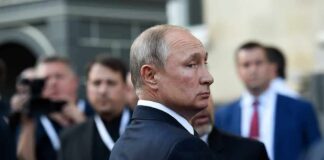
North Korean leader Kim Jong Un, according to state media KCNA as relayed by multiple outlets, said his country would “fully support” Russia’s army as a “fraternal duty.” Russian President Vladimir Putin, in the same reporting stream, described the bilateral relationship as “special.” The language matters because it frames support as an obligation, not a temporary transaction, signaling political intent to keep the Ukraine-related partnership alive.
KCNA’s role is central to the story and also a limitation for analysts. KCNA is not an independent press outlet; it functions as Pyongyang’s official messaging arm. Still, when several external publications carry the same phrasing, it typically indicates the message is real—even if it remains propaganda in purpose. What cannot be confirmed from the available reporting is the precise scale of support, whether “full support” means additional weapons deliveries, more troops, or expanded technical cooperation.
How the North Korea–Russia Partnership Rebuilt After 2022
North Korea and Russia have historical ties dating back to Soviet-era support, but the relationship took on new urgency after Russia’s war in Ukraine began in 2022. The research summary notes reporting that North Korea began supplying Russia with artillery shells and missiles, while Russia could provide technology, fuel, and diplomatic backing that helps Pyongyang withstand sanctions pressure. A June 2024 summit produced a “comprehensive strategic partnership” treaty, further formalizing cooperation.
The partnership is widely described as asymmetric, even when both sides use lofty language. Russia’s battlefield needs create demand for ammunition and other materiel, while North Korea’s leadership seeks regime security and strategic leverage. From a U.S. perspective, the key point is not just that two sanctioned states are cooperating, but that their cooperation may weaken international enforcement mechanisms intended to deter aggression and proliferation. The current reporting, however, provides no new numbers on shipments, budgets, or deployments.
What’s New in 2026: Signals of Continuity, Not Specifics
The latest development is essentially a reaffirmation: Kim is described as vowing continued backing for Russia’s policies, building on earlier “full support” pledges. That continuity is strategically relevant because wars often turn on sustainment—steady supply, logistics, and political will—more than on dramatic announcements. Analysts therefore have to treat the statement as a political signal rather than proof of a new, measurable escalation.
Implications for the United States, Ukraine, and a Frustrated Public
For Ukraine, the concern is straightforward: any additional flow of munitions, missiles, or manpower that helps Russia hold the line could prolong fighting and raise the human cost. For the United States, the challenge is broader and familiar—how to enforce sanctions and deter adversary coordination without triggering larger conflict or writing blank checks. Many Americans, including conservatives skeptical of globalist overreach and liberals worried about inequality at home, increasingly share a frustration that Washington struggles to execute coherent, accountable strategy.
That shared frustration can grow when adversarial states appear to operate with fewer constraints than democratic governments. At minimum, the Kim-Putin messaging highlights a world where hostile regimes coordinate openly while U.S. institutions argue over process, budgets, and jurisdiction.
Sources:
https://www.khaama.com/north-koreas-kim-vows-continued-support-for-russia/