A nonprofit famous for branding others as “extremists” is now facing federal fraud charges over allegations it secretly paid millions to actual extremist leaders.
Story Snapshot
- A federal grand jury indictment unsealed in Alabama charges the Southern Poverty Law Center with wire fraud, false statements to banks, and conspiracy tied to alleged hidden payments from 2014–2023.
- The Justice Department alleges donors were misled while more than $3 million was funneled to leaders connected to groups like the KKK and Aryan Nations, with concealment tactics that prosecutors say crossed into financial crimes.
- SPLC argues the payments were part of an informant-style program, while DOJ and FBI leadership say the scheme involved deception and facilitation of wrongdoing, not legitimate monitoring.
- The case lands amid a broader political realignment: Trump’s second-term DOJ and FBI leadership have moved to end prior federal collaboration with SPLC.
What the indictment alleges—and why it matters
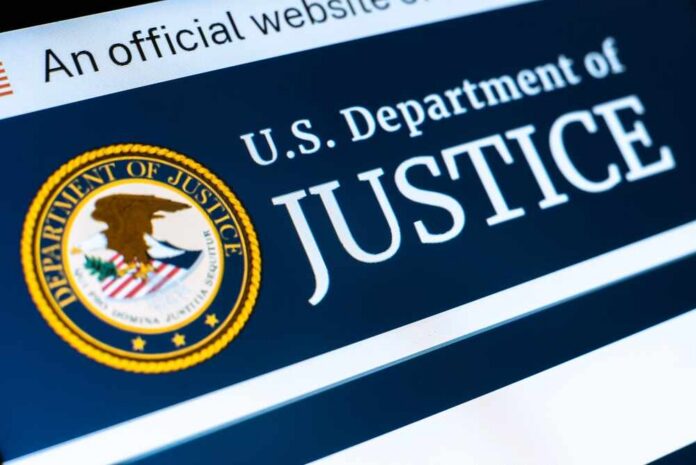
Federal prosecutors say the SPLC, headquartered in Alabama, faces 11 counts tied to an alleged donor-deception scheme that ran from 2014 to 2023. The Justice Department describes the case as wire fraud, false statements to banks, and a conspiracy involving concealment money laundering, alongside forfeiture actions to recover proceeds. Those labels matter because they frame the dispute as more than a political fight over ideology; they make it a test of nonprofit transparency and financial compliance.
The central allegation is simple but explosive: money raised in the name of fighting hate was allegedly routed, in secret, to leaders of violent extremist organizations. According to the government’s account, the SPLC did not merely interact with extremists to gather information; it allegedly paid them substantial sums while obscuring the transactions from donors and financial institutions. That gap between public messaging and alleged internal conduct is likely to be the fulcrum of the prosecution’s fraud theory.
SPLC’s defense: “informants,” not fraud
SPLC’s public line, as summarized by Tyler O’Neil’s reporting and commentary, is that it operated something akin to an informant program—paying sources inside extremist circles, a practice the organization suggests is comparable to methods used by law enforcement. In the abstract, paying informants is not unusual in investigations. The legal question in this case is narrower: whether SPLC’s fundraising and banking representations were truthful, and whether steps used to hide the payments point to criminal intent.
This distinction is where many Americans—left, right, and politically exhausted—will focus. People who distrust “elite” institutions often assume nonprofits can play by a different set of rules while demanding moral compliance from everyone else. People who support watchdog groups worry that aggressive prosecutions might chill legitimate research. The indictment forces both sides to confront the same principle: donors deserve honest disclosures, and banks require accurate statements, regardless of an organization’s political branding.
Why the bank-fraud and concealment claims are a big deal
O’Neil argues the hardest part for SPLC to explain is not the idea of paying sources, but the alleged mechanics: shell-company tactics, bank representations, and concealment. The Justice Department’s framing suggests prosecutors believe they can prove intent—showing the organization didn’t just make controversial payments, but took steps to hide them to keep funds flowing. If that holds up in court, it turns a PR defense (“we were infiltrating hate groups”) into a credibility problem with measurable legal exposure.
That matters politically, too, because the SPLC’s influence has often depended on third-party acceptance—media outlets, tech platforms, and government agencies treating its labels and lists as authoritative. A fraud case, even before a verdict, invites institutions to reassess whether they outsourced judgment to a group that the government now says used donor dollars in ways donors did not agree to. At minimum, it raises pressure for tighter nonprofit governance and clearer donor communications.
The broader political context: weaponization claims and a trust collapse
The indictment also lands in a Washington environment defined by public distrust and a long-running debate over “weaponization” of federal power. Under Trump’s second-term leadership, FBI Director Kash Patel has reportedly moved to end prior collaboration with SPLC. Supporters see that as a course correction after years when conservatives argued federal agencies leaned on partisan-aligned outside groups. Critics, including Democratic leaders, have characterized the indictment as political retaliation rather than a fraud case.
The facts that are clearest come from the Justice Department’s charging document summary: the case exists, the counts are serious, and investigators include federal law enforcement and IRS-CI. What remains unresolved is what a jury will ultimately decide about intent and disclosure. For Americans frustrated by inflation-era belt-tightening and a culture that often seems run by insulated institutions, the case will be watched as a litmus test: whether powerful nonprofits are held to the same legal standards as ordinary citizens and businesses.
Sources:
Federal Grand Jury Charges Southern Poverty Law Center with Wire Fraud, False Statements and …
What Went Wrong with the Southern Poverty Law Center