
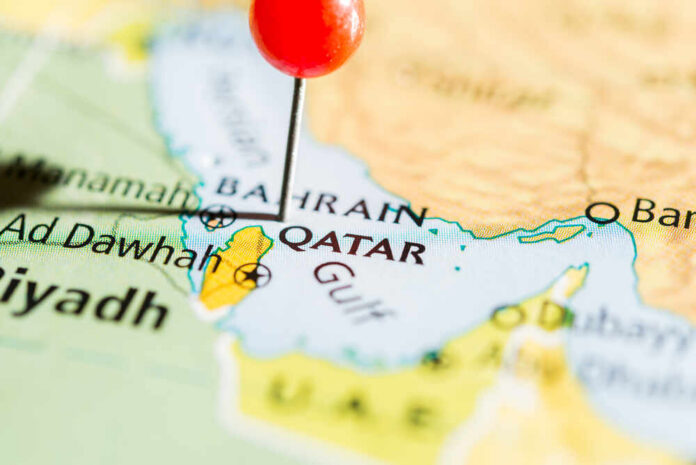
Qatar’s rulers are shooting down Iranian planes and expelling Iranian diplomats—while their state megaphone Al Jazeera blames the war on “white supremacy,” a propaganda twist that should concern every American watching U.S. alliances in the Middle East.
Story Snapshot
- Qatar escalated its confrontation with Iran by downing two Iranian aircraft and later declaring Iranian diplomatic officials persona non grata.
- Iran retaliated with strikes that hit Qatari territory, raising the risk of a wider Gulf conflict and energy-market disruption.
- Qatar’s state-backed Al Jazeera promoted an anti-war line that framed the conflict as driven by “white supremacy,” even after attacks on Qatar.
- The episode highlights a familiar contradiction: U.S. partners may rely on American security while simultaneously amplifying narratives hostile to the West.
Qatar’s Shift From Mediator to Direct Military Action
Qatar’s break from its usual mediator posture became clear after Qatari forces shot down two Iranian planes on March 2, 2026. That step signaled a willingness to use hard power rather than diplomatic balancing, even as Qatar remains home to the Al Udeid Air Base, a key hub for U.S. operations in the region. Qatari officials framed the moves as defensive responses tied to the broader U.S.-Iran escalation.
Qatar doubled down by declaring Iranian diplomatic officials persona non grata, effectively ordering them out and shrinking Tehran’s official footprint in Doha. Diplomatically, that is one of the sharpest tools short of severing relations. The timeline matters because the expulsion came amid intensified regional fighting and retaliatory action, illustrating how quickly Gulf states can be pulled from “de-escalation” messaging into overt confrontation.
Iran’s Retaliation Raises the Stakes for the Gulf and Global Energy
Iran’s response included strikes on Qatar, pushing the conflict beyond rhetoric and into direct attacks on sovereign territory. The immediate risk is obvious: tit-for-tat moves in the Gulf can expand fast, especially with multiple militaries operating in the same air and sea lanes. The longer-term concern centers on energy infrastructure and shipping routes that affect global prices, including facilities linked to the shared gas geography of the region.
Qatar and Iran are economically intertwined through the South Pars/North Dome gas field, yet the current round of hostilities shows how economic ties do not prevent military escalation. That reality is relevant for American readers because regional instability often returns home as higher consumer costs and market volatility. Available informatiom does not fully detail the operational scope of Iran’s strikes or Qatar’s planned retaliation, but the pattern points toward elevated, sustained risk.
Al Jazeera’s “White Supremacy” Frame Collides With Qatar’s Battlefield Reality
While Qatar’s military actions and diplomatic expulsions communicated clear hostility toward Tehran’s conduct, Qatar’s state media arm Al Jazeera took a very different approach in its messaging. Al Jazeera blaming the war on “white supremacy,” an ideological framing that aligns with fashionable Western activist language more than with the immediate facts of missiles and aircraft. The disconnect has fueled criticism of credibility and motive.
What This Means for the U.S. Alliance System Under Trump
For the United States, the Qatar-Iran flare-up underscores an old challenge: America’s security umbrella can be essential to partners that also broadcast narratives antagonistic to U.S. interests. A Qatari government spokesperson outlining Doha’s view of U.S. attacks on Iran, reflecting how Qatar tries to manage both its alliance obligations and its public posture. The contradiction complicates trust and strategic messaging at a moment of regional instability.
Qatari State Media Platforms Iranian Officials, Anti-U.S. Accusationshttps://t.co/3Be51WQqi4
— PJ Media Updates (@PJMediaUpdates) March 20, 2026
President Trump’s Middle East approach has emphasized avoiding open-ended troop commitments while projecting deterrence and demanding accountability from partners. In that context, Qatar’s actions create two simultaneous questions: whether Doha will act as a reliable security partner when directly threatened, and whether it will restrain state-linked media narratives that inflame anti-American sentiment. The available sources describe the events and messaging, but do not provide evidence of any formal U.S. policy response yet.
Sources:
Qatari government spokesperson shares his country’s view on the U.S. attacks on Iran
Qatar declares Iranian diplomatic officials persona non grata
Under fire from Iran, Qatar’s media blames war on ‘white supremacy’