Italian police just stopped nearly $290 million in ultra-pure cocaine that was hiding in a banana shipment bound for Europe’s streets.
Story Snapshot
- Italian authorities seized about 770 kilograms of extremely pure cocaine hidden in a refrigerated banana container from Ecuador.
- The haul’s estimated street value is around 250 million euros, or nearly $290 million.
- The bust happened at the port of Vado Ligure in northwest Italy and is one of the largest in that port’s recent history.
- The case highlights how global trade routes and basic food shipments are being used by major criminal networks to move hard drugs into Europe.
Record cocaine seizure hidden in banana shipment
Italian financial police and customs officers say they found about 770 kilograms of “extra pure” cocaine hidden among dozens of pallets of bananas in a refrigerated container at the port of Vado Ligure, in northwest Italy. The container had arrived from one of Ecuador’s main ports, a major hub for banana exports and, increasingly, cocaine trafficking into Europe. Officers report that the drug bricks were carefully packed and concealed so they blended into a normal food shipment.
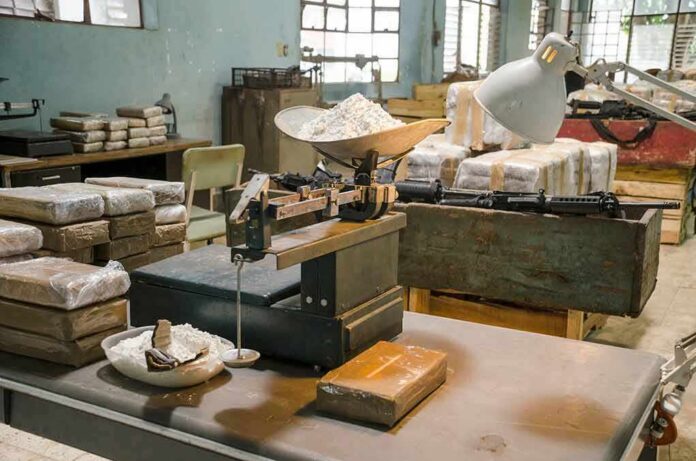
Officials state that the cocaine was divided into roughly 650 separate blocks, each wrapped and stacked inside the banana pallets. Police describe the load as extremely pure, which means traffickers could have mixed it with other substances to multiply the street volume many times over. Authorities estimate the retail value at around 250 million euros, almost $290 million, making this one of the largest and most profitable single shipments ever intercepted at Vado Ligure.
Vado Ligure’s growing role in the cocaine trade
Police and customs agencies say this seizure is among the most important anti-drug operations carried out in Vado Ligure in recent years. Local reports note it comes shortly after another major bust at the same port, where hundreds of kilograms of cocaine were also found in banana containers, suggesting traffickers see this location as a reliable entry point. Italian authorities now view Vado Ligure as a strategic battleground in the wider fight against cocaine routes from Latin America into European markets.
Investigators are working to trace who ordered and who was meant to receive the shipment, but they stress that these networks are complex and cross many borders. Past cases show that containers often start in ports in Ecuador or Colombia, pass through European hubs, and end up feeding drug sales across several countries. Italian police have linked similar banana-container schemes to powerful organized crime groups that use normal trade to hide their business from regular citizens and overworked border officers.
Cocaine going “bananas” across European ports
This Italian case is part of a wider pattern: criminal groups regularly hide cocaine in refrigerated containers full of bananas traveling from Latin America to Europe. Europol’s European Drug Report says member states seized a record 323 tonnes of cocaine in 2022, with many of the biggest busts tied to fruit shipments from Ecuador and Colombia. In 2023, Spain reported its largest-ever single cocaine seizure, 9.5 tonnes, also hidden in bananas from Ecuador, showing how common this method has become.
Other recent operations underline the scale of the problem. Portuguese police found 4.2 tonnes of cocaine in banana pallets from Colombia, calling it one of the biggest seizures in the country’s history. Italian officers at the port of Gioia Tauro have seized more than 2.7 tonnes of high-quality cocaine in banana shipments from Ecuador, worth an estimated 800 million euros. Experts say traffickers like banana cargo because it moves constantly, must stay cold, and cannot sit long at ports, which pressures inspectors and leaves room for mistakes.
Why this bust matters beyond Italy
For many people, this story fits into a bigger worry: global trade looks normal on the surface, but under it, powerful criminal networks move drugs, cash, and influence while governments struggle to keep up. When hundreds of millions in cocaine ride into Europe inside everyday food shipments, it raises hard questions about how well ports are secured and who really controls these key gateways. The same concerns echo in the United States, where citizens across the political aisle doubt that authorities are winning the fight against organized crime and border chaos.
Italian officials argue that high-tech scanners, better tracking of containers, and deeper international cooperation are needed to catch more of these “banana busts” before they land in local neighborhoods. But each huge seizure also suggests that even larger loads may be slipping through, feeding addiction, violence, and corruption while elites and criminal bosses profit. For readers who feel that ordinary families play by the rules while powerful actors bend them, this case offers one more sign that the systems meant to protect society are strained and often behind the curve.
Sources:
facebook.com, foxnews.com, cbsnews.com, nampa.org, youtube.com, mezha.net, lefigaro.fr, quinewspisa.it, scimaxconsultants.com, occrp.org, riskbulletins.globalinitiative.net, antidroga.interno.gov.it, euronews.com, abc.net.au