India’s youth are accusing their leaders of “failing the future” as exam leaks and crackdowns turn a student protest into a major test of Prime Minister Narendra Modi’s government.
Story Snapshot
- Mass exam paper leaks forced over 2 million Indian students to retake a key medical entrance test, sparking nationwide protests.
- The youth-led Cockroach Janata Party movement now demands the education minister’s resignation and deep reforms to India’s exam system.
- Police tear gas, baton charges, and internet shutdowns are fueling anger and raising fears about shrinking democratic space.
- Modi’s government promises tougher anti-leak laws and fast-track courts, but students say the system itself is rotten and unaccountable.
Exam Scandals That Broke Students’ Trust
More than two million students sat India’s main medical entrance exam this May, hoping for a fair shot at becoming doctors and dentists. Soon after, reports said dozens of questions closely matched “guess papers” that had circulated online, suggesting the test had been compromised. India’s National Testing Agency then annulled the exam and ordered a nationwide retest, forcing more than two million young people to study again and re-sit under tight security. For many families, this was not just an inconvenience. It was proof that a life-changing exam, run by the state, could be corrupted on their watch.
The exam leak did not happen in isolation. In recent years, Indian students have faced repeated scandals in recruitment tests and school exams, including leaks that affected more than 1.6 million students in one case. Reports describe paper leaks as an organized criminal activity, with question papers stolen and sold for high sums, often tied to broader corruption networks. Young people now say these episodes add up to a pattern: the government talks tough after each scandal but struggles to build a system that is secure, transparent, and fair.
A Satirical Party Becomes a Serious Youth Revolt
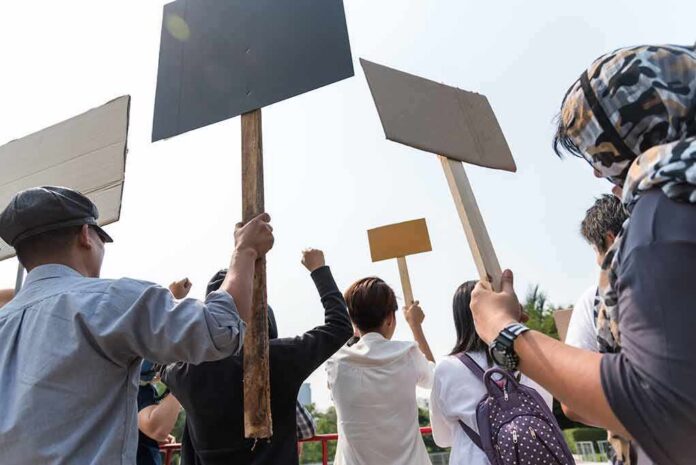
Anger over the medical exam leak helped turn a joke into a protest movement. The Cockroach Janata Party started online as a satirical “party” mocking political elites, but it quickly evolved into a youth-led force organizing rallies and sit-ins. The group has drawn tens of thousands of students into the streets of New Delhi and other cities, many wearing cockroach masks and carrying signs that accuse officials of “feeding on our future.” What began as exam-focused outrage now includes demands for action on unemployment, corruption, and what protesters call an increasingly authoritarian style of rule.
Protesters are united around clear demands. They want the resignation of Education Minister Dharmendra Pradhan, whom they blame for mismanaging exams and failing to prevent leaks. They also demand the dismantling or deep reform of the National Testing Agency and greater transparency in how papers are set, stored, and marked. Some groups are calling for compensation for families of students who reportedly died by suicide after the exam leak, saying those deaths reflect the crushing pressure and broken systems students face. In their eyes, this is not only an education story. It is a story about a government that protects itself faster than it protects its young.
Government Response: Tough Talk, Limited Trust
Under mounting pressure, Modi’s government has begun to respond. Education Minister Pradhan has pledged that the administration is “100% committed” to addressing youth concerns and exam reforms on the floor of parliament. He has acknowledged a “breach in the chain of command” and promised a fair, transparent re-exam, while the government turned the leak case over to the Central Bureau of Investigation for a federal probe. Prime Minister Modi has vowed “strict and stringent” punishment for those involved in paper leaks and backed plans for fast-track courts to handle exam fraud cases.
Officials are also pushing legal changes. The cabinet has approved a bill to strengthen the Public Examinations (Prevention of Unfair Means) Act, with proposed penalties of up to ten years in jail and heavy fines for exam fraud. Reports say the government has even considered using military help to secure exam logistics and restricting applications like Telegram around retest dates to reduce leak risks. On paper, this sounds like a hard line against cheating and criminal networks. But many students argue that punishing middlemen without fixing the system’s weak spots will only treat symptoms, not causes.
Crackdowns That Feel Like a Warning Sign
As crowds grew, the government leaned on force as well as reforms. Human Rights Watch reports that security forces used tear gas and batons against largely peaceful protesters in New Delhi on July 20. Authorities also ordered mobile internet shutdowns in parts of the capital, making it harder for students to communicate and for families to track loved ones. Other reports describe police blocking marches toward parliament, detaining opposition leaders, and cordoning off central roads as demonstrations reached their largest size since major farmer protests in 2021.
Security personnel stand guard as protesters gather at Jantar Mantar in New Delhi, where the CJP-led agitation continues amid heightened security on 24 July, 2026. Photo : Suraj Singh Bisht/The Print https://t.co/fNUrn8Qydy
— Diplomat Times (@diplomattimes) July 24, 2026
For many Indians, these scenes feed a deeper worry. Conservatives and liberals often argue over issues like welfare, nationalism, or climate policy, but both sides can recognize when peaceful dissent meets batons instead of dialogue. The student movement frames the crackdown as proof that the “elites” in power fear scrutiny more than they fear a broken exam system. International rights groups warn that repeat use of force, internet blackouts, and sedition-style tactics against protesters erode democratic norms and push young citizens to see the state itself as hostile.
Why This Matters Beyond India’s Borders
India’s exam crisis and youth protests echo broader frustrations seen in many countries, including the United States. When high-stakes systems—from college admissions to hiring tests—look rigged or corrupt, ordinary people lose faith that hard work will pay off. In India, millions of students now say the system is stacked in favor of those with money, connections, or inside information, while honest candidates carry all the risk and none of the protection. That feeling is not foreign to American workers or parents watching their own institutions wobble.
At the same time, Modi’s promise of new anti-leak laws and reforms mirrors a common global pattern: governments respond to scandals with tougher penalties and more security, but often stop short of real structural change. Students in India are effectively asking a question many Americans ask too: if the same people who oversaw the failure design the “fix,” how much will truly change? The answer will show whether India’s leaders see these protests as a nuisance to be contained, or as a warning that the gap between rulers and the ruled has grown too wide to ignore.
Sources:
insiderpaper.com, hindustantimes.com, bbc.com, ndtv.com, youtube.com, aljazeera.com, khaleejtimes.com, news.abplive.com, greenleft.org.au, devdiscourse.com, timesofindia.indiatimes.com, facebook.com, straitstimes.com