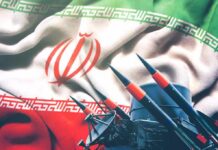
President Trump deploys America’s unmatched military might to smash Iran’s blockade of the Strait of Hormuz, vowing Navy escorts for tankers to protect global energy freedom from Tehran terrorists.
Story Highlights
- Trump orders DFC to provide cheap political risk insurance immediately for all Persian Gulf shipments, countering Iranian attacks and soaring costs.
- US Navy stands ready to escort tankers through the strait “if necessary,” echoing Reagan-era resolve against Iranian threats.
- Strait of Hormuz, carrying 21 million barrels of oil daily, faces near-closure from IRGC aggression amid US-Israel strikes on over 2,000 Iranian targets.
- Shipping rates doubled to $500,000 per supertanker as traffic halts; Trump’s plan asserts US dominance to stabilize markets.
- Iran claims full control, threatens to burn ships, but faces US economic and naval superiority in escalating war.
Trump’s Bold Announcement via Truth Social
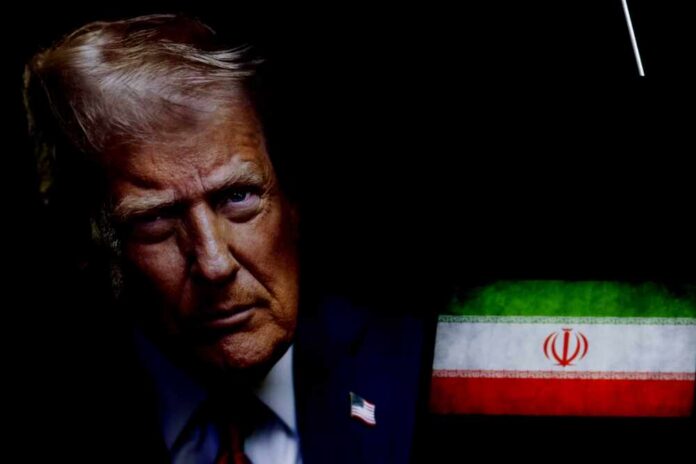
On March 3, 2026, President Donald Trump posted on Truth Social directing the United States Development Finance Corporation to offer political risk insurance and guarantees at very reasonable prices for all maritime trade through the Persian Gulf and Strait of Hormuz, especially energy shipments. Trump emphasized US economic and military might as the greatest backstop, signaling Navy escorts if necessary to ensure safe passage. This responds directly to recent vessel attacks linked to Iran, including a US-sanctioned oil tanker hit near the strait by parties tied to Tehran, as reported by Oman’s Maritime Security Center. The move expands DFC’s role beyond typical investments to cover broad commercial shipping in this active warzone, distinguishing it from past operations.
Escalating Conflict Shuts Down Critical Chokepoint
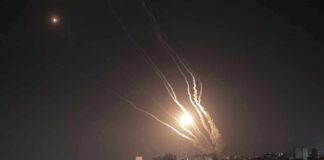
US-Israel joint strikes began in late February 2026, targeting over 2,000 Iranian sites and prompting retaliation including hacks on Dubai consulate, CIA facilities in Saudi Arabia, and attacks on multiple vessels around February 28-March 1. Maritime traffic through the 100-mile Strait of Hormuz has effectively stopped due to safety fears and insurance costs doubling to about $500,000 for supertankers to China. Iran claims full control of the strait, with IRGC senior adviser Ebrahim Jabari warning of lethal force against any crossers and threats to set ships on fire. Crude prices spiked over 12 percent post-strikes, underscoring the global stakes of this vital artery handling 21 million barrels daily.
Historical Precedent and US Resolve
The proposal revives echoes of the 1980-1988 Tanker War during the Iran-Iraq conflict, when US Navy Operation Earnest Will escorted Kuwaiti tankers against Iranian mines and missiles. Unlike 2019 incidents where escorts were considered but not fully implemented, today’s hot US-Iran war demands direct action. Trump projects the conflict lasting 4-5 weeks but extendable, positioning US warships potentially against Iranian missiles, drones, mines, and suicide boats in a high-threat zone. This asserts American superiority, countering asymmetric Iranian tactics while allies like Israel conduct joint operations.
Key stakeholders include Trump as commander-in-chief, DFC implementing insurance, US Navy under CENTCOM for escorts, and IRGC enforcing threats. Shipping firms seek relief from rate spikes, oil importers like China and Europe demand flow restoration, while Gulf states suffer hacks. Power dynamics favor US military and economic strength, though escalation risks persist.
Trump’s Gulf of Hormuz Maritime Security and Insurance Proposal https://t.co/IgpLWZsP0C
— The Gateway Pundit (@gatewaypundit) March 6, 2026
Market Reactions and Expert Caution
As of March 4-6, 2026, no implementation details emerged from DFC or Navy, with White House silent and shipping awaiting specifics on escorts and insurance uptake. Bloomberg reported muted energy market reaction despite doubled rates, with expert Joumanna Bercetche noting skepticism amid Iranian control claims. The War Zone warned escorts place Navy in crosshairs, diverting from other missions into a super weapons engagement zone. Seatrade Maritime highlighted industry pause for details. Short-term, cheap insurance could calm markets; long-term, it sets precedents for government-backed trade in warzones and reshapes Gulf security, benefiting energy sectors but risking prolonged conflict.
Optimistic views praise US stabilization via might; cautious analyses flag Navy risks and unproven subscription. Iranian rhetoric remains hostile, but consensus verifies Trump’s announcement across sources with minor gaps in attack dates and post-March 4 updates.
Sources:
Trump’s Plan to Escort Ships Through Strait of Hormuz Would Put U.S. Navy Warships in the Crosshairs
Trump says US Navy could escort ships through Strait of Hormuz
Trump says US Navy vessels could accompany tankers in Strait of Hormuz
Shipping awaits details of US support in the Middle East