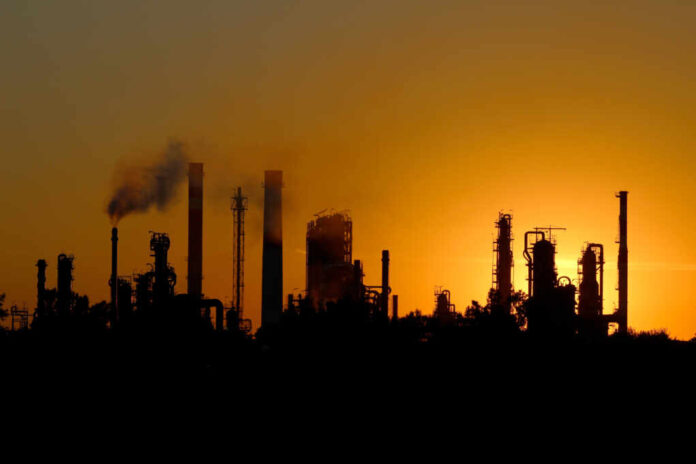
A new blockade threatens global oil stability, raising questions about American military actions without a declared war.
Story Highlights
- The U.S. has initiated a blockade on Venezuela, seizing oil tankers without a formal declaration of war.
- This blockade is part of an escalating conflict over disputed Venezuelan leadership.
- The Trump administration cites anti-corruption and anti-narcotics as motives.
- Critics argue this is an aggressive move lacking legal justification, impacting global markets.
U.S. Blockade Intensifies Venezuelan Crisis
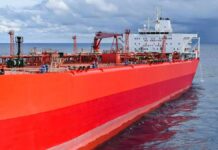
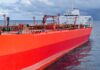
In a bold move, the Trump administration announced in December 2025 a blockade on all sanctioned oil tankers entering or leaving Venezuela. This action marks a significant escalation in the long-standing tension between the United States and Venezuela, and it signals a shift from economic sanctions to direct military-style interventions. The blockade comes amid allegations of narco-terrorism and election fraud against Venezuelan President Nicolás Maduro.
These measures have further strained the already fragile relationship between the two nations. The U.S. has justified its actions by emphasizing the need to combat corruption and drug trafficking, yet critics argue that the blockade lacks a clear legal or military rationale. This development has raised concerns over potential humanitarian impacts and the broader implications for international law.
Historical Context of U.S.-Venezuela Relations
The roots of the U.S.-Venezuela conflict stretch back to 2006 when initial sanctions were imposed due to human rights violations. These measures intensified in 2014 and beyond, targeting officials and entities linked to corruption and democratic erosion. During the Trump administration, sanctions expanded to include the Venezuelan oil sector, aiming to pressure Maduro’s government by crippling its primary revenue source.
Amidst these tensions, the U.S. has faced accusations of using sanctions as a tool to instigate regime change, a claim that has been met with skepticism by U.S. officials who frame their actions as necessary to promote democracy and combat illicit activities. Despite this, the humanitarian toll of the sanctions, exacerbated by the blockade, continues to draw international concern.
Impact on Global Markets and Political Stability
The blockade’s effect on global oil markets cannot be understated, as Venezuela holds one of the world’s largest oil reserves. The disruption of its oil exports threatens to destabilize energy prices, further complicating the international economic landscape. Additionally, the humanitarian crisis in Venezuela is likely to worsen, with food and medicine shortages potentially leading to increased migration and social unrest.
As the situation unfolds, the international community watches closely. The blockade raises critical questions about the legality and ethics of such unilateral actions, particularly in the absence of a formal war declaration. With Maduro’s capture adding to the political upheaval, the path to resolving the crisis remains uncertain.
Sources:
Sanctions during the Venezuelan crisis
US-Venezuela timeline from sanctions to military action
Timeline of US escalating actions before Maduro’s capture in Venezuela
Global Sanctions on Venezuela