
After seven years of severed ties and government-imposed travel restrictions, direct commercial flights between the United States and Venezuela have resumed, raising questions about what diplomatic deals were struck behind closed doors to enable this sudden thaw with a regime long considered hostile to American interests.
Story Snapshot
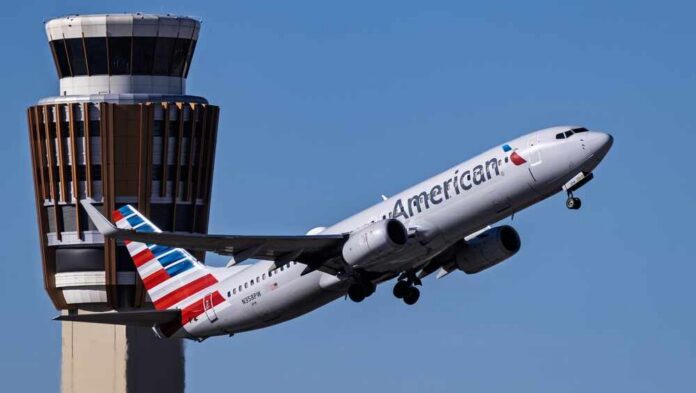
- American Airlines flight AA 3599 departed Miami for Caracas on April 30, 2026, marking the first direct U.S.-Venezuela commercial service in seven years
- Flight resumption follows reported U.S. capture of Venezuelan leader Nicolás Maduro, embassy reopening, and restoration of diplomatic ties
- Service suspended in 2019 due to Department of Homeland Security security concerns and severed diplomatic relations forced travelers onto indirect routes
- American Airlines plans daily service expansion, with second daily flight launching May 21, 2026, despite lingering questions about Venezuela’s political stability
Seven-Year Ban Ends Amid Diplomatic Reset
American Airlines flight AA 3599, operated by subsidiary Envoy Air, landed in Caracas on April 30, 2026, approximately three hours after departing Miami. The Embraer E175 aircraft carried passengers on the first direct commercial route between the United States and Venezuela since 2019, when the Department of Homeland Security halted service over security concerns tied to deteriorating diplomatic relations. For seven years, Venezuelan families and businesses relied on costly, time-consuming connections through Colombia, Panama, and other Latin American hubs to maintain contact across borders.
Maduro Capture and Embassy Reopening Drive Change
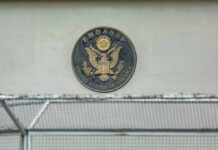
The flight resumption follows dramatic political developments including the reported U.S. capture of Nicolás Maduro and the reopening of the American embassy in Caracas. These events signal a substantial shift in bilateral relations after years of tension under sanctions and isolation policies. American Airlines announced confidence in the route’s viability by scheduling daily Miami-Caracas service, with plans to expand to twice-daily flights beginning May 21, 2026. However, full regulatory approvals remain pending, and uncertainty persists regarding Venezuela’s post-Maduro leadership structure and long-term security environment.
Diaspora Reconnection Masks Unanswered Questions
Miami’s substantial Venezuelan diaspora community stands to benefit from restored direct travel, enabling family reunions and business connections severed by the seven-year ban. Aviation industry analysts view the resumption as poised to reignite the Miami-Caracas market, potentially encouraging competitor airlines if approvals expand. Yet the rapid diplomatic thaw raises concerns among both conservatives wary of engagement with hostile regimes and liberals questioning the circumstances surrounding Maduro’s capture. Travel Weekly noted regulatory hurdles alongside optimism, while observers highlight lingering questions about leadership legitimacy, legal frameworks, and whether American taxpayers are funding another foreign policy gamble by unelected bureaucrats.
Government Secrecy Fuels Distrust
The abrupt policy reversal from the Department of Homeland Security—previously citing security threats—to enabling commercial flights exposes the opaque nature of federal decision-making. Neither the Trump administration nor regulatory agencies have provided detailed public justification for the shift, leaving citizens to wonder what concessions were negotiated or what intelligence assessments changed. For Americans across the political spectrum frustrated by government officials prioritizing backroom deals over transparency, the Venezuela flight resumption exemplifies the deep state’s penchant for actions that bypass public accountability. Whether this engagement fosters genuine stability or merely props up another regime remains an open question as travelers board flights to a nation still grappling with political and economic turmoil.
Direct commercial flights from US to Venezuela resume for first time in 7 yearshttps://t.co/TDS8hocSQa
— Human Events (@HumanEvents) April 30, 2026
Economic Opportunity Versus Strategic Risk
Airlines and businesses view the route’s revival as an economic opportunity after years of isolation, with potential long-term benefits for tourism and trade if Venezuela stabilizes. Short-term impacts include reconnecting split families and restoring commercial links critical to Miami’s role as a Latin American gateway. However, the broader implications hinge on Venezuela’s uncertain political trajectory post-Maduro and whether restored ties serve American interests or merely benefit elites on both sides of the border. For everyday citizens watching federal decisions unfold without clear answers, the flight resumption underscores a persistent reality: government actions increasingly feel disconnected from the values of transparency, accountability, and respect for taxpayer concerns that once defined American governance.
Sources:
American to resume service to Venezuela – Travel Weekly
American Airlines to Resume Flights to Miami from Venezuela in April 2026 – Simple Flying