

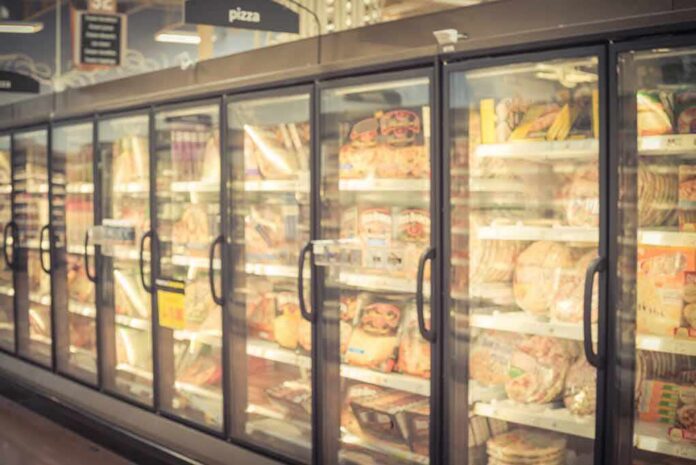
A Swedish grocery store says its freezers were remotely set to 50°C overnight, forcing food to be tossed and raising fresh alarms about attacks on everyday infrastructure.
Story Snapshot
- ICA and Coop reported refrigeration problems at multiple Swedish stores the same night.
- An ICA store in Sjöbo said freezers were “hacked” and set to 50°C; staff dumped spoiled goods.
- Sweden’s national cybersecurity centre said it is working on several related incidents.
- Similar freezer spikes hit stores in Belgium and Luxembourg, showing a wider pattern.
What Swedish Retailers Reported Happened
ICA and Coop confirmed that a number of Swedish supermarkets had refrigerator and freezer problems during the same overnight window. ICA said a limited number of stores were affected and was working to restore normal operations. Coop said several of its more than 800 locations reported issues. Reports differ on the precise count, but the pattern was clear: multiple stores saw abnormal temperature changes and had to respond quickly to protect food safety.
The ICA Kvantum store in Sjöbo posted that its refrigerators and freezers were “hacked” and set to 50°C. Staff said they could not bring temperatures down and had to throw out products that were no longer safe. The store’s account matches other reports that describe hot air blowing into units and a loss of local control, which suggests remote tampering rather than a simple mechanical failure, according to news coverage of the event.
Officials and Investigators Weigh In
Sweden’s national cybersecurity centre said it is working on several incidents tied to supermarket refrigeration systems across the country. The centre did not post a full technical breakdown. Retailers also did not release forensic reports. Public statements focused on fixing operations and protecting customers. That is common during early response, but it means the public record centers on what stores saw and did, not yet on who did it or how it was done.
The timing in Sweden lines up with reports from elsewhere in Europe. News outlets described similar refrigerator spikes in Belgium and Luxembourg, with some stores discarding food and counting losses. This cross-border rhythm supports concerns about attacks aimed at operational technology, which can cause fast, visible damage without stealing data. It also raises pressure on companies that rely on internet-connected controls to manage daily tasks.
Why This Matters for Shoppers and Stores
When freezers fail, the real-world impact is simple: food safety is at risk, and stores eat the cost. Even a handful of affected locations can lose tens of thousands of dollars in goods within hours. Staff must clear shelves, clean cases, and restock. Families may find bare freezer aisles and higher prices if losses stack up. These incidents show how a small digital change to a setpoint can ripple into wasted food, higher costs, and less trust in basic services.
Cyberattack Disrupts Refrigeration Systems at More Than 115 European Supermarkets
Hackers reportedly manipulated freezer and refrigeration controls at supermarket locations across Belgium, the Netherlands, Sweden, Luxembourg, Ireland, and Estonia. Some systems were shut down or…
— Connor Lovgren 🇺🇸🥸🦊🤠☃️🐦⬛🐧 (@unccno) November 3, 2026
For both left and right, the concern overlaps: critical systems are online, but security often lags. Companies connected refrigerators to cut energy bills and monitor stock. That choice can help efficiency but opens new doors for attackers. Sweden’s case fits a wider shift to attacks on operational systems, not just customer data. The same trend has hit factories, water plants, and hospitals. People see failures in oversight and wonder whether leaders, in government and business, are taking the threat seriously.
How This Fits a Broader European Pattern
Recent weeks brought reports that hundreds of French supermarkets saw remote changes to cooling systems, followed by similar problems in several European countries. Analysts say many older controllers are hard to update, and patches can require taking equipment offline. That creates a window where known issues stay open. Even when only a few Swedish stores were hit, the shared traits across borders point to repeatable weaknesses that can be prodded again and again.
What We Still Do Not Know
Authorities and retailers have not named the attacker or released a detailed root cause. Public reports differ on exact store counts and whether temperatures hit 50°C or 55°C. Those gaps are common in the early phase of an incident. The core facts remain steady: several Swedish stores saw sudden, abnormal temperature changes, at least one store said the systems were “hacked,” and the national cybersecurity centre opened work on multiple cases.
What to Watch Next
Watch for a technical update from Sweden’s cybersecurity centre and from the affected chains. Key details include whether the changes came through remote access, whether systems shared a vendor, and whether similar fingerprints match earlier European cases. Concrete fixes may include stronger authentication, network segmentation, and removing exposed remote panels. Until then, retailers will focus on keeping food safe and customers supplied while investigators trace the path of the intrusions.
Sources:
youtube.com, nbcnews.com, fidelity.com, bbc.com, apnews.com, live.euronext.com