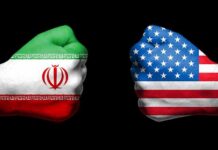
Barack Obama said Iran now holds “veto power” over the Strait of Hormuz even as U.S.-led escorts keep most ships moving, exposing how a single chokepoint can strain America’s reach and everyone’s wallets.
Story Highlights
- Obama claimed Iran gained “veto power” over Hormuz and greater leverage since the conflict began.
- Shipping data show oil flows through Hormuz dipped during attacks and rerouting, not a full shutdown.
- U.S. Central Command says traffic continues with escorts and that most ships pass safely.
- The dispute centers on what “veto power” means: coercive leverage versus total control.
What Obama Claimed At The Rallies
Barack Obama told crowds in Ohio and Michigan that Iran is “in a stronger strategic position” and now has “veto power over the Strait of Hormuz.” He tied this to months of attacks, American casualties, and depleted missile stocks, arguing the war left Tehran with more leverage and left Americans paying higher fuel prices. These were campaign remarks aimed at President Trump’s handling of the conflict and energy costs, not a formal security assessment.
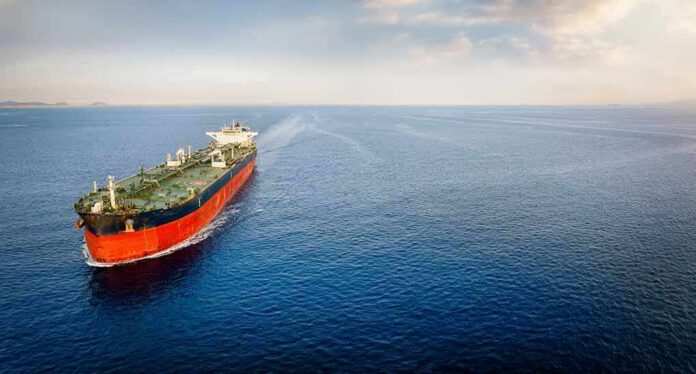
Obama’s “veto power” line drew attention because Hormuz is the world’s most vital oil chokepoint. Energy analysts estimate about one-fifth of global petroleum consumption crossed the strait in 2024. Any shock there ripples into prices for gas, diesel, and goods that move by truck and ship. That is why even a partial slowdown, higher insurance, or longer routes can feel like a tax on families and small firms already squeezed by rising costs.
What The Shipping And Attack Data Show
BBC reporting cited ship-tracking data that oil flows dropped from roughly 15 million barrels per day in late September to about 12.6 million barrels per day on October 13. The same reports described more attacks near the strait, tankers rerouting closer to Oman, and a surge in U.S. Navy protective assistance. Escorts for tankers reportedly rose about 85% in early October versus August, signaling real operational strain and higher costs, even without a full closure.
Those facts support a narrow reading of “veto power” as leverage, not domination. Iran did not stop all traffic, but its attacks and threats forced changes that slowed and reshaped flows. That kind of pressure can raise war-risk premiums, increase charter rates, and force detours. These costs often pass through to consumers. Yet the data alone do not prove Iran caused every barrel of lost flow, since military operations, blockades, and market choices also play roles.
How The Pentagon Counters The “Veto” Narrative
United States Central Command said commercial traffic continues to move through Hormuz under coordinated protection with regional partners. The command emphasized that most ships pass safely and that the main shipping lanes remain open. Officials cited mine-clear passages, thousands of supported transits, and a very high safe-passage rate as evidence that Iran failed to close the strait or control it. This message counters any reading of “veto power” as total control.
A Central Command spokesperson said the vast majority of attempted Iranian attacks failed and that shipping had not stopped. This framing aims to reassure markets and allies that the United States still secures the corridor. It also reflects the reality that access is not binary. Ships can sail and still face danger, delay, and extra cost. That gray zone is where both narratives can be partly true at the same time.
Why Language Choices Matter For Your Wallet
Politicians use broad terms like “veto,” “blockade,” or “closure” to drive a point. Military leaders stress that traffic “continues to flow” to calm markets and preserve deterrence. The truth in a chokepoint often sits in between: fewer ships at times, longer routes, more escorts, and higher premiums. For families, the label matters less than the bill. If moving oil gets harder, fuel and freight can cost more—even when the channel is technically open.
Former US President Barack Obama criticized Trump’s war on Iran, questioning Washington’s claims of victory and warning of mounting consequences.
Key Takeaways
Obama challenged Trump’s claims of military success against Iran, citing American casualties, depleted missile… pic.twitter.com/BR7eIA8cby
— The Palestine Chronicle (@PalestineChron) October 25, 2026
Here is the shared concern that unites skeptics on both left and right: Washington can spend billions, trade barbs, and still fail to shield households from higher prices. Voters see big claims from both parties and rising risks in vital lanes. They want clear goals, honest metrics, and a plan that restores steady flows without endless emergency escorts. Until then, Hormuz remains a stress test for U.S. power and for the budgets of everyday Americans.
Sources:
ap7am.com, aljazeera.com, newsweek.com, bbc.com, geo.tv, defence-industry.eu, bbc.co.uk, x.com, yahoo.com