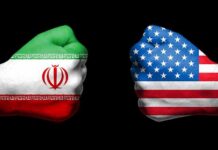

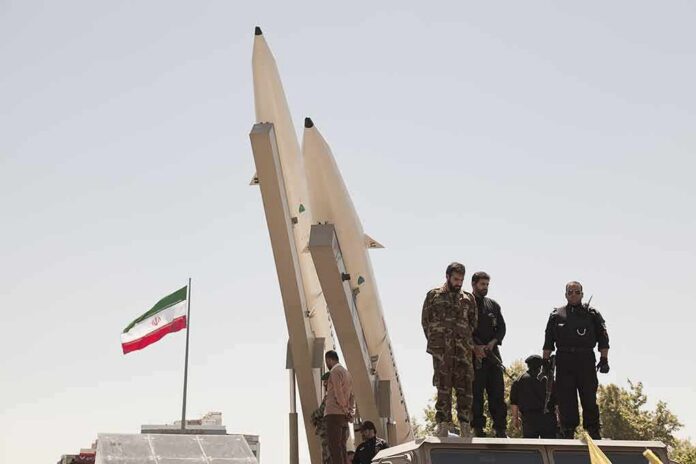
Iran’s supreme leader’s son and top deputy has told the country’s military to add “all” American and Israeli assets, visible or hidden, to its target list.
Quick Take
- A statement tied to Mojtaba Khamenei, dated October 31, orders Iran’s armed forces to widen their target list to cover U.S. and Israeli assets everywhere.
- The order ties any response to a specific trigger: renewed U.S. or Israeli military or terrorist attacks on Iran.
- U.S. officials say the Pentagon has built its own expanded strike list covering Iranian energy, military, and nuclear sites, with plans ready within 96 hours of a presidential order.
- U.S. intelligence reportedly believes Iran is unlikely to strike first but would hit back hard, including against American personnel, if attacked.
- Neither side has released a public target list, document, or launch order, so the direct evidence shows preparation and warning, not a confirmed attack plan.
Iran Orders Broader Target List
A written statement attributed to Mojtaba Khamenei, published October 31, 2026, told Iran’s armed forces to bring “all US and Israeli assets, tangible and intangible” within their reach. Multiple outlets reported the same language, describing the order as part of a push for “intelligent combat readiness” meant to achieve “maximum deterrence”. The statement also called for an “immediate, impactful and geographically unrestricted response” to any new attack.
The directive sets a clear condition. It says Iran’s armed forces and people, not an outside party, would decide when and how a conflict ends “if the enemies once again launch military or terrorist attacks”. Reports also describe added instructions to boost ammunition and weapons production, sharpen military intelligence, and grow homegrown defense systems. That mix of warning language and buildup orders is the core of what Iran has made public so far.
What Remains Unconfirmed
No released document, military order number, or target database backs up the broad wording about “all” U.S. and Israeli assets. Reports rely on a statement carried by Nour News and official Telegram channels, not a published government archive or full transcript. The reports also do not define what would count as a triggering attack, whether cyberattacks, sanctions, or covert action would qualify, or only direct military strikes. That leaves real gaps in understanding how far the order could actually reach.
These gaps matter because readers on both sides of the political spectrum have reason to distrust official statements, whether from Tehran, Washington, or Jerusalem. The order could be a genuine deterrence signal meant to raise the cost of attacking Iran. It could also be a step toward offensive planning. The public record, as it stands, supports calling this a serious warning, not a confirmed operational plan.
U.S. and Israeli Plans Add Pressure
On the other side, U.S. officials have reportedly built their own expanded target list. Central Command and the Pentagon have drawn up plans covering Iranian energy infrastructure, military sites, and nuclear facilities, according to officials with direct knowledge of the planning. Separate reporting says a strike could launch within 96 hours of a presidential order, keeping the option active and ready.
NEW: Senior officials from the Mecca Pact’s three signatories met with senior Iranian officials in Tehran on October 26 to discuss a new US-Iran deal in concert with ongoing Pakistani and Qatari efforts.
Read more ⬇️ https://t.co/7Ax5kkxQE1
— Institute for the Study of War (@TheStudyofWar) October 27, 2026
U.S. intelligence assessments add nuance often missing from the loudest headlines. Officials believe Iran and Iran-backed Houthi forces are unlikely to strike first, but would respond immediately against American personnel and facilities across the region if Iran were hit first. Analysts note that expanded target lists on both sides may change little about the underlying standoff, since similar threats and preparations have followed this pattern before without producing a new war.
A Familiar Cycle of Threats
This back-and-forth fits a pattern researchers have tracked for years. Iran has repeatedly used sweeping retaliation threats to raise the price of any attack and preserve room to respond on its own terms, not always to announce an imminent strike. The June 2025 and February 2026 rounds of fighting between the U.S., Israel, and Iran both followed similar warnings before any shots were fired, showing that tough statements do not always mean war is about to start.
For Americans worried about being pulled into another Middle East conflict, the honest picture is this: both Tehran and Washington have built expanded target lists and issued public warnings, but neither has released proof of an active attack order. Citizens frustrated with a government that often seems more focused on posturing than resolving conflicts have reason to watch closely, question official claims from every side, and demand clear answers before any new military action begins.
Sources:
facebook.com, dailysabah.com, timesofindia.indiatimes.com, shafaq.com, humenglish.com, f.aa.com.tr