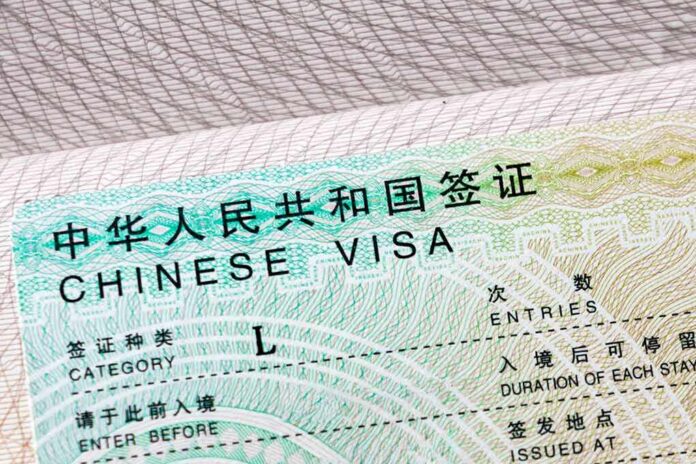
Homeland Security shut down a visa-free doorway that let Chinese visitors reach U.S. soil in the Pacific without a visa, citing birth tourism and security risks documented in a formal suspension order.
Story Snapshot
- DHS suspended the CNMI visa-free entry program for Chinese nationals, effective Oct. 30, 2026.
- The change restores the normal visa requirement and consular screening for future trips.
- DHS says the program fueled birth tourism and created national-security vulnerabilities.
- Local business leaders dispute the scale of abuse and warn of economic harm.
What DHS Changed And When It Takes Effect
The Department of Homeland Security suspended the Economic Vitality and Security Travel Authorization Program for the Commonwealth of the Northern Mariana Islands on October 27, 2026, with the suspension taking effect at 2:00 p.m. Eastern on October 30, 2026. The action cancels active authorizations and ends visa-free entry for people from the People’s Republic of China. People already admitted can complete their allowed stay, but future travelers must follow normal visa rules unless another lawful exception applies.
The federal notice cites immigration law as the basis for the suspension, referencing section 212(l)(5) of the Immigration and Nationality Act and related rules. The move replaces electronic preclearance with the standard United States nonimmigrant visa process. That process includes a consular interview and security checks. Officials say this restores in-person screening and helps prevent misuse. The order applies to temporary business or tourist trips to the islands going forward.
Why DHS Says The Loophole Had To Close
The Department of Homeland Security said the program made the islands a hot spot for birth tourism and posed national-security vulnerabilities. Agency messaging framed the change as a fix to a loophole that let travelers skip a visa and interview to reach U.S. soil for up to 14 days. Officials argue that normal visa screening better detects risk and deters abuse. The announcement did not publish counts of births tied to the program or list specific security incidents.
The Federal Register notice focuses on restoring screening rather than presenting case files or data trends. This gap leaves open questions for the public. How many travelers used the channel for birth tourism? Did screening fail at unusual rates? The documents released so far do not provide those figures. Still, the legal step is complete and now governs travel. That means the debate shifts to results: whether the change reduces risk and how it affects the islands’ economy.
What Local Leaders And Businesses Say In Response
The Saipan Chamber of Commerce has argued the program allowed only one 14-day stay with electronic prescreening, and had a very low overstay rate of about 0.25 percent, lower than Chinese visitor overstay rates on regular tourist visas in 2024. The Chamber says tourist births fell sharply after 2019 and claims recent cases were not tied to the program. Local voices warn that fewer visitors from China could cut jobs, tax revenue, and services in the islands’ small economy.
🚨JUST IN🚨
DHS has suspended the visa-free travel program that previously allowed Chinese nationals to enter the Commonwealth of the Northern Mariana Islands (CNMI).
Chinese travelers could visit the islands for up to 14 days without a visa or consular interview.
DHS stated…
— Breanna Morello (@BreannaMorello) October 29, 2026
Independent reporting notes that the Department of Homeland Security notice did not state how many births were linked to the program or present proof of espionage by participants. That reporting echoes a common frustration felt across the political spectrum: major federal actions often come with limited public evidence, leaving citizens to weigh trust in agencies against local costs. People who worry about lax borders see a needed fix. People who fear heavy federal hands see economic pain without clear proof.
What This Means For Travelers, Security, And The Islands
Chinese nationals who plan to visit the Commonwealth of the Northern Mariana Islands for tourism or business now need to apply for a standard United States visa unless another lawful path exists. That adds time, cost, and an interview to the process. For security officials, the shift restores face-to-face vetting and a fuller paper trail. For island leaders, it likely means fewer visitors and slower recovery for hotels, restaurants, and tour operators that have struggled since the pandemic.
The core national question is familiar: how to balance economic openness with border and counterintelligence risk. The islands have seen special entry rules rise and fall with that tension for years. Today’s change shows Washington favors screening over speed. The test ahead is twofold. First, whether the new rule actually reduces the risks the Department of Homeland Security named. Second, whether the federal government helps the islands adapt so families and small businesses are not left holding the bill.
Sources:
pjmedia.com, dhs.gov, federalregister.gov, pacificislandtimes.com, yen.com.gh, ianslive.in, rnz.co.nz