
Sen. Ted Cruz warned that “Americans will die” if Michigan Democrat Abdul El-Sayed gains access to classified intelligence, igniting a high-stakes fight over evidence, security, and political lines.
Story Snapshot
- Cruz tied El-Sayed to the Muslim Brotherhood and flagged Intelligence Committee access as a life-or-death risk.
- Public records show family and donor links, plus a 2012 Morsi statement, but no proof El-Sayed joined the Brotherhood.
- El-Sayed has repeatedly disavowed the Brotherhood and denied any membership or dual loyalty.
- Senate Intelligence rules concentrate access through security clearances and need-to-know controls, not politics alone.
What Cruz Claimed And Why It Matters
Sen. Ted Cruz said there is a “very real risk that Americans will die” if Abdul El-Sayed is elected and placed on the Senate Intelligence Committee. He cited alleged family ties to the Muslim Brotherhood, a supportive 2012 statement about Egypt’s President Mohamed Morsi, and a donor’s links to a Muslim organization he describes as part of a Brotherhood network. His warning centers on access to classified operations and sources if El-Sayed receives a sensitive committee role.
The charge hits a nerve because many voters already doubt Washington’s guardrails. People on the right fear foreign influence and weak vetting. People on the left fear smears and profiling dressed up as security talk. Both camps worry elites twist rules to protect their own. Cruz’s message speaks to that fear, but it raises a key test: do the public facts justify connecting these associations to a proven security risk today?
What The Public Record Actually Shows
Reports show El-Sayed’s half-sister posted in 2012 that the family “has long been” connected to the Muslim Brotherhood and that their mother was active in the group in Egypt decades ago. The same coverage notes a 2012 statement, reportedly signed by El-Sayed and others, voicing support for Morsi after a democratic election. However, major outlets found no evidence that El-Sayed himself joined the Brotherhood or engaged in misconduct.
Coverage also highlights a top donor with leadership ties to the Islamic Society of North America and large contributions to help El-Sayed. That link fuels suspicion for some readers. Yet the reporting does not show illegal donations, direction of policy by that group, or operational control over El-Sayed’s actions. These facts support tough questions, but they stop short of proving a pipeline from donor or family history to classified leaks.
El-Sayed’s Response And The Fact-Check Record
El-Sayed has denied any membership in the Muslim Brotherhood and has said he would never join it. He answered “absolutely” when asked to disavow the group at a town hall. He also rejected the idea that he holds dual loyalties because of his faith or family history. An independent fact-check found claims that he refused to disavow the Brotherhood were wrong, citing his public statements.
This back-and-forth reflects a wider pattern. Political actors often blend three ideas: family ties, organizational ties, and personal conduct. The first two can raise fair questions. Only the third can justify blocking access to secrets. On the record now, the strongest evidence is about relatives’ posts, a donor’s past roles, and support for a democratically elected president in 2012—not personal membership in the Brotherhood or handling of sensitive information.
How Intelligence Access Really Works In The Senate
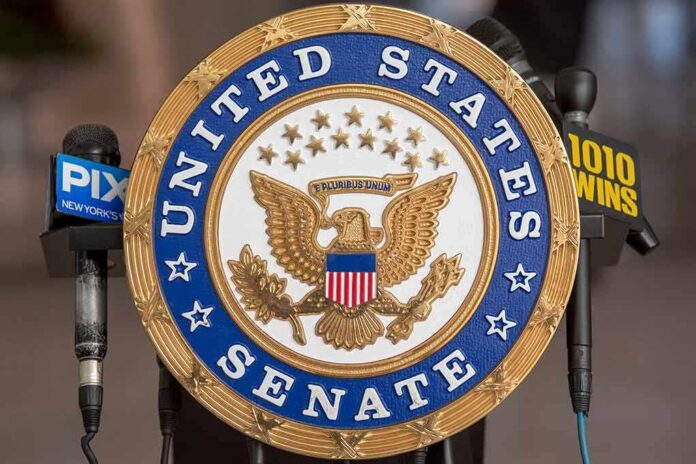
Committee rules and long practice restrict classified access. Staff need security clearances and a “need-to-know” set by the committee. The rules centralize control in the committee’s leadership and staff directors. While elected senators receive broad access, the Intelligence Committee still operates within procedures that limit who sees what and under what conditions. Those controls exist to reduce the risk that politics alone dictates exposure to secrets.
Sadly, I suspect Ted Cruz is correct but El-sayed is just one of the TRAITORS we have in Congress.
These traitors have no allegiance to the US!
Cruz says there's 'real risk that Americans will die' if El-Sayed gains access to US intelligencehttps://t.co/x2NakWCxrW
— D-Will (@109_DWill) October 29, 2026
That structure does not prove there is zero risk. It does show the system was built to check it. If evidence emerges that El-Sayed personally worked with a hostile group, that would be a different story. Right now, the public record does not show that. Voters who feel Washington protects insiders should ask for more than slogans: original documents from 2012–2013, authenticated posts, donor records, and clear, named evidence that ties El-Sayed himself to wrongdoing.
Sources:
youtube.com, cbsnews.com, cnn.com, statebeacon.com, newsweek.com, jewishinsider.com, azcentral.com, truthout.org, newscord.org, thehill.com, intelligence.senate.gov