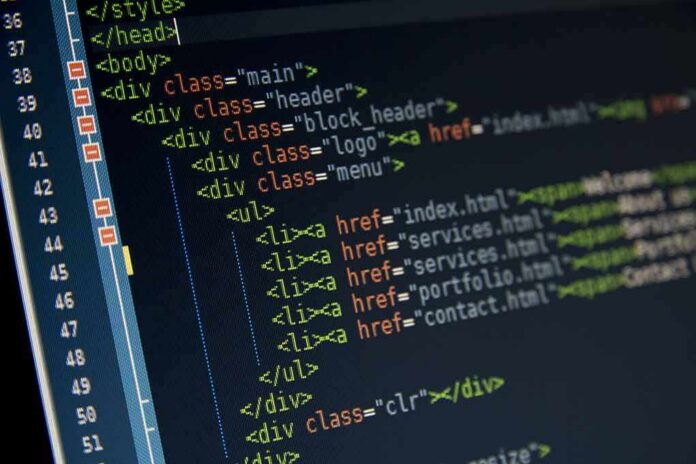
Two critical flaws in PHP, the code that runs a huge share of the world’s websites, forced an emergency, out-of-schedule patch this week after details leaked online before engineers were ready.
Story Snapshot
- PHP’s security team pushed emergency fixes on October 21 for two flaws, each rated 9.2 out of a possible 10 in severity.
- European cybersecurity officials warned the bugs could let hackers run their own code on vulnerable servers without needing a password.
- Some government websites in Europe went offline rather than risk staying exposed before patches were applied.
- Millions of older PHP installations may never get an official fix, leaving a patchy, uneven response across the internet.
Emergency Patch Follows an Early Leak
The PHP project announced a special, out-of-band security release for Wednesday, October 21, 2026, at 14:00 UTC. The notice said the update would fix two critical vulnerabilities, each carrying a CVSS v4.0 severity score of 9.2. That rating puts the flaws near the top of the scale security experts use to judge how dangerous a software bug is.
The emergency timeline was not the original plan. Security researchers reported that details about the two vulnerabilities, tracked as CVE-2026-109618 and CVE-2026-109619, leaked online before the coordinated release date. That leak pushed PHP’s team to move up its announcement and patch schedule, a pattern that has played out before when embargoed vulnerability details escape early.
Why Security Officials Sounded the Alarm
The Cybersecurity and Infrastructure Security Team for the European Union, known as CERT-EU, issued an advisory warning that the flaws “could lead to remote code execution.” That means an attacker could potentially run their own commands on a vulnerable server. CERT-EU told organizations to patch immediately and, if that wasn’t possible right away, to consider cutting affected systems off from the public internet.
The warning’s reach is wide. CERT-EU said the vulnerabilities could affect every version of PHP going back to PHP 5. Security firm Tenable separately confirmed the same two CVE identifiers and severity score, noting that PHP versions 5 through 8.1 had already reached the end of their official support life before this release.
Who Remains Exposed After the Patch
Researchers at VirusTotal traced the risk to a PHP feature called session.upload_progress, which has been built into the software and turned on by default since 2012. Until sites could install the official fix, VirusTotal recommended administrators manually disable that specific feature as a stopgap measure to reduce their exposure.
🚨 PHP administrators: two critical vulnerabilities rated CVSS 9.2 are being patched in an emergency release today at 14:00 UTC.
Monitor https://t.co/ZwYaD06p0y and update your servers immediately when the patch is published.#PHP #CyberSecurity #InfoSec pic.twitter.com/Yyy8GFDfQZ— 10Cryptoanalyzer (@SenceHtc89426) October 21, 2026
Not every website can simply download the fix and move on. Because PHP powers sites through a web of hosting companies, operating system distributors, and site owners who each manage updates on their own schedule, full protection depends on many separate parties acting fast. That is why some government bodies chose to take websites offline temporarily rather than wait on the broader patching chain to catch up.
The episode underscores a familiar tension for everyday internet users who rely on websites built on decades-old code. A single piece of software holding up millions of sites can become a shared point of failure overnight, and the fix depends on cooperation from companies and agencies that do not always move at the same speed.
🚨 Introducing our PHP2Shell Vulnerability Checker
We have launched a new security tool on https://t.co/cymCV8jIgJ to help website owners and administrators identify potential exposure to two critical PHP RCE vulnerabilities: CVE-2026-109618 & CVE-2026-109619 (CVSS 9.2).
🔍 PHP… pic.twitter.com/uM87LyLdZ0
— WebInspectPro (@WebInspectPro) October 22, 2026
Sources:
pwndefend.com, blog.securelayer7.net, phoenix.security, huntress.com, blog.virustotal.com