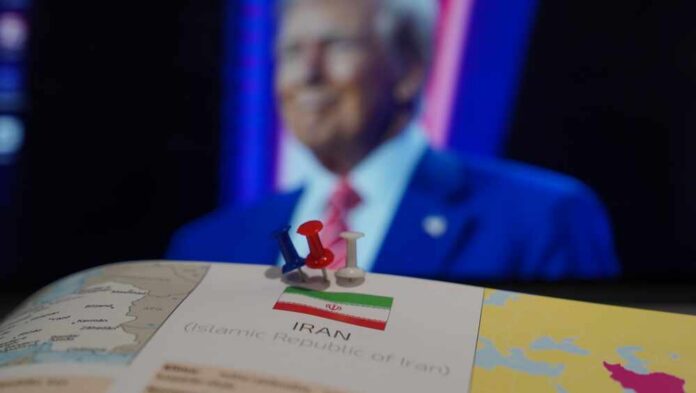
President Trump’s 15-point peace plan with Iran promises to end a war that many Americans never wanted, but serious questions remain about whether this deal protects American interests or simply kicks the can down the road while our troops stay in harm’s way.
Story Snapshot
- Trump sends 15-point peace framework to Iran demanding nuclear disarmament, monthlong ceasefire, and reopening of Strait of Hormuz
- President postpones energy infrastructure strikes for 5 days, claiming “major points of agreement” with Tehran despite Iranian denials
- Four-week war follows U.S.-Israeli strikes on Iranian nuclear facilities amid critical global oil supply disruption
- Deal offers sanctions relief and joint Strait control while Pentagon seeks $200 billion in additional war funding
Trump’s Peace Framework Emerges Amid Escalating Conflict
President Donald Trump transmitted a 15-point peace proposal to Iran on March 23, 2026, after four weeks of military engagement that began when Tehran closed the Strait of Hormuz following U.S.-Israeli strikes on nuclear facilities. The plan proposes a monthlong ceasefire, sanctions relief, safe passage through the strategic waterway, and Iran’s complete abandonment of nuclear weapons development. Trump emphasized that nuclear disarmament represents “number one, two, and three” priorities in negotiations conducted by envoys Jared Kushner and Steve Witkoff. The president postponed threatened strikes on Iranian energy infrastructure, granting a 5-day window for progress before resuming military operations.
War Costs Mount as Energy Crisis Deepens
The conflict erupted after successful U.S. B-2 bomber strikes targeted Iranian nuclear facilities at Natanz, Isfahan, and Fordow, eliminating key leadership and halting what Trump described as nuclear weaponization “weeks away” from completion. Iran’s retaliatory closure of the Strait of Hormuz created global energy market chaos, threatening oil supplies for millions of Americans already struggling with high fuel costs. The Pentagon now requests $200 billion in additional funding while thousands of Marines and naval vessels deploy to the region. This war represents exactly the type of endless Middle East entanglement that frustrated Trump supporters voted against, raising uncomfortable questions about campaign promises to avoid new conflicts.
Deal Details Reveal Troubling Concessions
The peace framework includes sanctions relief for Iran and proposes joint control of the Strait of Hormuz, arrangements that may reward Tehran’s aggressive blockade tactics. While Trump touts productive discussions and Iran’s alleged agreement to forgo nuclear weapons, Iranian officials reportedly rejected the proposal as “fake news” and continue attacks. The plan demands Iran cease funding proxy groups like Hezbollah, Hamas, and Houthis, but provides no clear enforcement mechanisms. Trump issued a stark ultimatum: accept terms or face resumed bombing, declaring authorities will “bomb our little hearts out” if negotiations fail within the 5-day window.
Constitutional and Strategic Concerns Surface
The $200 billion Pentagon funding request raises serious concerns about fiscal responsibility and constitutional authority for military operations that many Americans question. This spending comes as families nationwide struggle with inflation partly driven by energy costs exacerbated by this very conflict. The deal’s reliance on sanctions relief and joint Strait management potentially empowers a regime Trump himself called “evil for 47 years,” undermining American leverage gained through military success. Reports conflict on whether the plan contains 6 or 15 points, and independent confirmation of Iran receiving or seriously considering the proposal remains absent, suggesting communication difficulties that undermine deal prospects.
Report: Trump Sends 15-Point Peace Plan to Iran, Wants Monthlong Ceasefirehttps://t.co/OUulKFwo1F
— RedState (@RedState) March 25, 2026
Trump’s optimism contrasts sharply with ground realities where Iranian proxy forces continue violence across Yemen and Gaza while Ayatollah Ali Khamenei’s whereabouts remain uncertain following strikes. Israel reportedly fears premature ceasefire arrangements that leave Iranian nuclear infrastructure partially intact, risking future threats to American allies. The administration promises oil prices will “drop like a rock” if successful, offering economic relief, but Americans must weigh whether temporary energy stability justifies ongoing military commitments and massive spending that contradicts conservative principles of limited foreign intervention and fiscal restraint. The next five days will determine whether this framework delivers genuine peace or simply prolongs another Middle East quagmire funded by American taxpayers.
Sources:
‘Bomb our little hearts out’: Trump sets 5-day window for 15-point Iran deal – Times of India
Trump says US, Iran have ‘major points of agreement,’ including on nuclear weapons – ABC News