Trump’s bold H-1B crackdown forces Big Tech giants like Amazon, Google, and Meta to slash visa filings by up to 50%, delivering a long-overdue win for American workers tired of job-stealing foreign labor.
Story Snapshot
- Amazon’s certified H-1B applications plunged from 4,647 to 3,057 in Q1 FY2026 after Trump’s September 2025 rules imposed $100,000 fees on new overseas petitions.
- Meta and Google saw roughly 50% reductions in filings, tied to stricter scrutiny, lottery changes favoring high-wage applicants, and massive layoffs.
- Trump administration prioritizes U.S. hires by curbing fraud and costs, amid Big Tech’s shift to lean operations despite surging AI investments.
- While AI demand drives 80%+ of prior LCAs, preliminary data signals reduced foreign reliance, boosting opportunities for American tech talent.
Trump’s H-1B Reforms Take Immediate Effect
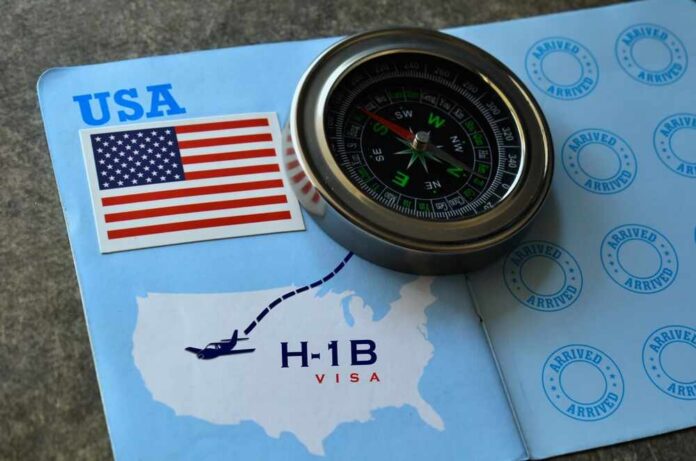
Trump administration enacted new H-1B rules in September 2025, introducing a $100,000 fee for new petitions from workers abroad and altering the lottery to favor highest-paid applicants. Department of Labor data for Q1 fiscal 2026, covering October to December 2025, reveals sharp declines in certified applications from major tech firms. Amazon led with a drop from 4,647 to 3,057 filings. These changes aim to prioritize American workers and reduce fraud in the visa program capped at 85,000 annually.
Big Tech Layoffs Compound Filing Declines
Amazon cut 16,000 corporate roles in January 2026, following 14,000 in October 2025. Meta laid off hundreds in March 2026, while Microsoft trimmed 15,000 positions from May to July 2025 and Google made smaller cuts. These efficiency drives, amid a post-staffing boom shift, reduced hiring needs. Tech giants invested over $380 billion collectively in AI capex in 2025, with Amazon planning $200 billion, Google $185 billion, and Meta $300 billion for 2026. Layoffs signal leaner operations less dependent on foreign labor.
AI Talent Needs Clash with America First Policies
Over 80% of FY2025 new Labor Condition Applications at Amazon, Meta, Google, Microsoft, and Apple tied to AI roles, with Amazon exceeding 60% software developers. Despite this demand, filings dropped, as firms face higher costs and scrutiny. Nvidia bucked the trend, increasing from 369 to 434, with CEO Jensen Huang pledging continued immigrant hiring. Immigration lawyer Jason Finkelman notes companies grew more selective, predicting Q2 surges for lottery entries.
Companies warned H-1B holders against foreign travel in September 2025 due to fee chaos, with renewals delayed to 2027, stranding some workers. Largest filers like TCS, Microsoft, Meta, Apple, and Amazon declined comments, indicating caution under heightened review.
Impacts Favor U.S. Workers and Tech Efficiency
Short-term, fewer certifications delay hires, though Q1 data is preliminary and typically lower, with Q2 expected to rise. Long-term, policies curb undercutting of American wages while favoring high-pay firms able to absorb fees. This balances “America First” priorities against tech’s AI race demands. U.S. master’s graduates gain lottery advantages, and economic pressures from capex surges underscore the need for domestic talent development over endless foreign imports.
Expert Views Highlight Policy Successes and Challenges
Finkelman observes higher scrutiny leads to selectivity, with Q1 focused on extensions and switches. NFAP analysis warns restrictions could erode U.S. AI leadership, but pro-restriction perspectives emphasize fraud reduction and boosted U.S. hires. Neutral takes attribute declines to combined layoffs and policy effects. Data uncertainties remain, as filings differ from final visas and full FY2026 totals are pending, yet early signs affirm Trump’s commitment to protecting American jobs.
Sources:
Big Tech H-1B Filings Drop After Trump’s Visa Crackdown and Layoffs
Tech companies warn H-1B visa holders against foreign travel amid Trump immigration crackdown