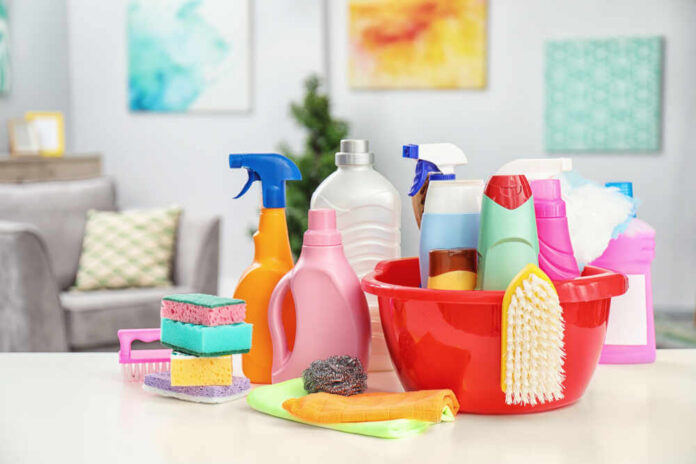
Common household cleaning products sitting under your sink right now contain chemicals banned in other countries and linked to cancer, respiratory damage, and reproductive harm—yet manufacturers aren’t required to tell you what’s really inside the bottle.
Story Highlights
- The Environmental Working Group identifies bleach, ammonia cleaners, antibacterial products, and drain cleaners as the most dangerous household items, with some containing chemicals banned internationally
- Federal law does not require manufacturers to disclose all ingredients in cleaning products, allowing companies to hide toxic compounds behind vague terms like “fragrance”
- Common ingredients including quaternary ammonium compounds, volatile organic compounds, and ethanolamine are linked to endocrine disruption, nervous system damage, and antibiotic-resistant superbugs
- EPA Safer Choice certified products and third-party verified alternatives provide effective cleaning without exposure to chemicals that cause long-term health consequences
Government Fails to Protect Families from Chemical Exposure
Manufacturers operate without meaningful accountability when it comes to household cleaning products. U.S. law does not obligate companies to list all ingredients in consumer products, creating an information gap that leaves families vulnerable to toxic chemical exposure. This regulatory failure exemplifies government overreach in the wrong direction—agencies expand control over citizens’ lives while failing to perform basic protective functions. Meanwhile, chemicals restricted or banned in other nations remain perfectly legal in American homes, demonstrating how corporate interests often supersede family safety in federal policy decisions.
The Most Dangerous Products Hiding in Your Cleaning Cabinet
Bleach tops the list as the most commonly cited dangerous household product despite its widespread use. While effective at disinfection, bleach is highly poisonous if inhaled, swallowed, or absorbed through skin. The danger multiplies when bleach contacts other common household substances—mixing it with vinegar, ammonia, rubbing alcohol, or acidic cleaners produces toxic chlorine gas capable of causing severe respiratory damage or death. Ammonia-based window and floor cleaners contain ammonia hydroxide, classified as “high hazard” by OSHA, causing severe skin burns, eye damage, and potentially life-threatening pulmonary edema.
Antibacterial Products Create More Problems Than They Solve
The antibacterial cleaning products marketed as superior protection actually undermine public health. Research demonstrates these products contribute to antibiotic-resistant superbugs while damaging the human microbiome essential for immune system function. This represents another example of consumer deception—companies profit from fear-based marketing while creating genuine health threats. Drain cleaners rank among the most toxic household products, with sodium hydroxide as the primary ingredient capable of causing internal tissue damage, respiratory failure, and death. Even dish soaps contain SLS/SLES surfactants linked to skin irritation and fetal development disruption.
Hidden Chemicals and Greenwashing Tactics
The Environmental Working Group’s “Hall of Shame” exposes products containing extremely toxic compounds. Simple Green Concentrated All-Purpose Cleaner contains 2-butoxyethanol, a skin-absorbed solvent that damages red blood cells. Whink Rust Stain Remover carries labels warning of potential fatality and severe burns. Common ingredients Americans should avoid include quaternary ammonium compounds linked to reproductive and hormonal issues, volatile organic compounds causing respiratory and nervous system damage, and fragrance chemicals that hide multiple undisclosed toxic ingredients. The practice of “greenwashing” exploits consumer trust—products labeled “green” or “natural” frequently contain harmful ingredients despite environmental marketing claims.
Practical Steps for Protecting Your Household
Families can reduce toxic exposure through informed purchasing decisions and proper product selection. The EPA maintains a Safer Choice product list meeting specific safety requirements for cleaning needs. Third-party certified products provide independent verification of safety standards, offering more reliable protection than manufacturer claims. Consumers should select products with reduced volatile organic compounds and avoid artificial fragrances entirely. Prevention strategies include reading all labels before purchasing, researching products from reliable independent sources, avoiding air fresheners completely, using products only as directed, never mixing cleaning products under any circumstances, and keeping all cleaners away from children and pets.
Health Consequences Demand Immediate Action
Short-term exposure causes respiratory irritation, eye and skin burns, and chemical damage to mucous membranes. Long-term health impacts include endocrine disruption affecting hormonal balance, reproductive issues, asthma development, nervous system damage, and immune system suppression. Acute risks from mixing products can produce lethal gases including chloramine, chlorine gas, and peracetic acid. The American Lung Association emphasizes that even products advertised as “green” or “natural” may contain harmful ingredients, recommending careful label reading and choosing products with reduced irritants. Health professionals stress that prevention through avoidance represents the most effective strategy for protecting families from these documented health threats.
Sources:
Mom Detective: Safe Cleaning Products – Moms Clean Air Force
Most Toxic Cleaning Products – Branch Basics
Cleaning Products to Never Mix – Good Housekeeping
EWG’s Hall of Shame of Toxic Household Cleaners – CBS News
Dangers of Mixing Household Chemical Cleaners – Village of Skokie
Cleaning Supplies and Household Chemicals – American Lung Association