Residents in a Pennsylvania township are rejecting promised $10,000 checks because they see a bigger fight over trust, noise, and local control.
Story Highlights
- A developer tied $10,000 per household to approval of a large data center project.
- Many residents say the money will not cover property-value risk or quality-of-life harms.
- Township officials moved against the project through zoning steps and a pause on applications.
- The offer is contingent and lacks binding, detailed payout rules in public materials.
The Offer: Big Checks, Bigger Strings
NorthPoint Development pitched a $165 million community package to win approval for “Project Hazelnut,” a planned data center campus in Hazle Township, Pennsylvania. The plan includes a $45 million resident grant fund that would pay $10,000 to each eligible household. It also includes $15 million for local programs and a $105 million, 15-year township commitment. The company says the checks would be paid only after the first building gets a certificate of occupancy, projected for late 2027.
Company materials say families can use the $10,000 however they choose, from home fixes to solar panels. NorthPoint also points to funds that could help start a local police department and reduce trash fees. But the documents in public view do not spell out legal eligibility in detail, do not show binding escrow terms, and are promotional, not recorded agreements. That gap feeds local doubts about enforcement and timing if the project stalls or changes.
Community Pushback: Property Values, Noise, and Trust
Many residents say the offer does not solve the core problem. People worry about a steady hum from cooling systems, more truck traffic, harsh lighting, and water and power demand. Some argue that $10,000 would not cover a drop in home values or daily disruption. Local reports quote residents who fear constant noise and argue the payout is far too small for the risk. Skeptics also cite distrust of the developer and local officials handling the deal.
Coverage shows a common theme across meetings and interviews: quality-of-life fears and a belief that the project would change the area in ways that money cannot fix. Opponents say the payout looks like an inducement tied to a yes vote rather than a fair offset. They note the checks would come years later, only after occupancy, which shifts risk to residents. This frame has fueled claims that the offer resembles a “bribe,” a term used by neighbors in media reports.
Local Government Actions and Procedural Roadblocks
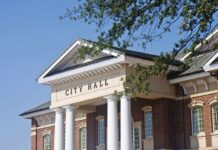
Hazle Township officials have rejected parts of the proposal on zoning grounds and adopted a temporary moratorium on new data center applications, according to local reporting. That move creates a thick procedural wall regardless of any household-level support for payments. The benefits package did not resolve those legal objections or the broader political dispute over siting a large industrial use near homes.
Because the $10,000 checks are tied to regulatory approval and future occupancy, the township stance matters more than marketing. If the moratorium holds and zoning barriers stand, the offer does not trigger. That makes residents’ risk calculus simple: accept near-term land-use change and wait years for a contingent payment, or force a reset on terms, location, or design through the local process now.
Why This Fight Resonates Nationally
The Hazle Township story matches a growing national pattern. Communities face rising data demand driven by artificial intelligence and cloud services, while power, water, and noise burdens land close to neighborhoods. Experts say local pushback has become a leading barrier to data center approvals. Community-benefit packages are now common, but they often fail when terms are vague, oversight is weak, or funds are paid late rather than upfront with safeguards.
Why a Data Center Developer Is Offering Households $10,000
NorthPoint Development is proposing something unusual around its massive Project Hazelnut data center campus in Pennsylvania: a $10,000 grant for each eligible household in Hazle Township.
The money is part of a $45… pic.twitter.com/IoPolCgqfz
— TechSignal (@tchsignal) September 28, 2026
Policy groups urge hard rules that are simple and enforceable. They recommend formal community-benefit agreements with exact dollar amounts, clear eligibility, escrows, and independent audits. They also call for public studies on property values, tax gains, grid impacts, water use, and traffic. Those steps help residents judge trade-offs and hold companies and officials to their word, so projects are not won with glossy promises and loose timelines.
What Would Build Trust Here
Several actions could change the tone in Hazle Township. First, a binding, filed agreement that locks in payout timing, eligibility, and remedies if deadlines slip. Second, third-party reports that estimate noise, lights, property impacts, and utility costs, with public data and clear methods. Third, a schedule that pays some benefits early, not years after occupancy. When companies front-load real money with controls, residents see less risk of bait-and-switch.
People across the political spectrum say the system often favors big players who write checks later while locals live with the mess now. This project is a test of whether communities can force fair terms before shovels hit dirt. For many in Hazle Township, a promised $10,000 is not a fix. They want proof, power over the details, and a plan that protects their homes and peace first—not someday, not maybe, but in writing and on time.
Sources:
townhall.com, projecthazelnut.com, techspot.com, msn.com, en.sedaily.com, fox56.com, datacenterwatch.substack.com, tradingview.com