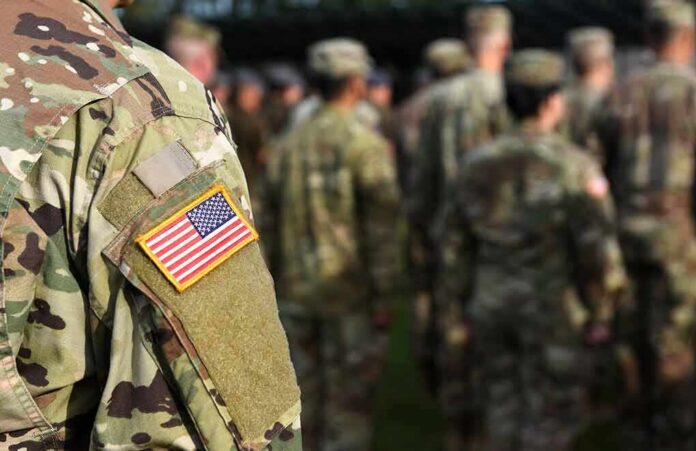
U.S. and Ecuadorian forces carried out armed joint strikes on Ecuadorian soil this spring to hit drug networks, marking a rare expansion of direct U.S. military action in Latin America.
Story Snapshot
- Joint U.S.-Ecuador operations targeted drug-trafficking groups inside Ecuador.
- Officials described “lethal kinetic operations,” including strikes near the Colombia border.
- Human Rights Watch alleged civilian abuses and urged stronger oversight.
- Ecuador later defended U.S.-linked vessel sinkings amid disputes about who was onboard.
What Happened: Joint Strikes Announced and Executed
U.S. Southern Command said on March 3 that U.S. and Ecuadorian forces began joint operations against drug trafficking inside Ecuador. Ecuador’s Defense Ministry called it an offensive effort, while both sides withheld many details for security reasons. Days later, U.S. and Ecuadorian officials confirmed a joint action involving “lethal kinetic operations,” including strikes near the border with Colombia and the use of helicopters and intelligence support. Ecuador’s president publicly tied the effort to targeting armed criminal groups.
Reuters reported that the joint actions included a strike on what officials described as a traffickers’ camp. The actions formed part of a broader campaign against cartel-linked networks that have fueled violence and smuggling in Ecuador’s coastal and border zones. The public announcements framed the operations as Ecuador-led, with U.S. support upon request, consistent with bilateral security cooperation that has grown since early 2026. The governments did not release casualty counts or the full targeting criteria.
Why It Matters: A Bigger U.S. Role and Rising Risks
The operations signal a shift from training and intelligence sharing toward direct support on Ecuadorian territory. That fits a long pattern in the region, where crackdowns seek fast results against violent groups. It also raises familiar warnings about secrecy and guardrails when foreign militaries assist local forces. Human Rights Watch said Ecuador’s security response has coincided with serious abuses by security forces and alleged attacks at sea, and urged Washington to tighten oversight of this partnership.
The same tension showed up at sea months later. Ecuador’s government defended U.S. actions that intercepted and sank three Ecuadorian vessels during a joint anti-trafficking probe. Relatives of some crew members said the men were fishermen and challenged the basis for the action. Officials maintained that the sinkings were linked to counter-narcotics operations and were coordinated with Ecuadorian authorities. The incident highlighted the stakes for civilians when rules of engagement and proof standards are not fully public.
How the Campaign Is Expanding: Air, Sea, and Intelligence
Statements and reporting describe a campaign spanning air, land, and maritime zones. Near the Colombia border, officials said combined forces hit a traffickers’ site using air assets and shared intelligence. On the high seas, Ecuador, the United States, and partners increased coordination to watch key cocaine routes and interdict “go-fast” boats and semi-submersibles headed north. The push also included closer police-military links and new U.S. investigative support inside Ecuador’s capital, boosting joint case work.
These actions reflect the view in both capitals that cartels exploit weak points across borders and coasts. Backers say faster, combined strikes can break smuggling chains and disrupt armed groups’ cash flow. Rights advocates counter that limited disclosure on command roles, target vetting, and post-strike reviews can leave civilians exposed and victims without clear paths to justice. Congress and courts in both countries may face calls to clarify rules, incident reporting, and accountability for partnered missions.
What to Watch Next: Results, Rules, and Accountability
Key measures ahead include drug seizure trends, arrests of cartel leaders, and violence levels in affected provinces. Equally important are the rules that guide force. Clearer public standards for target selection, detention, and use of force could reduce harm to bystanders and build trust. If lawmakers in Washington press for more transparency, the Pentagon and the State Department may have to detail how they track civilian harm during joint missions and how they respond when things go wrong.
Sources:
feedpress.me, hrw.org, reuters.com, aljazeera.com, theguardian.com