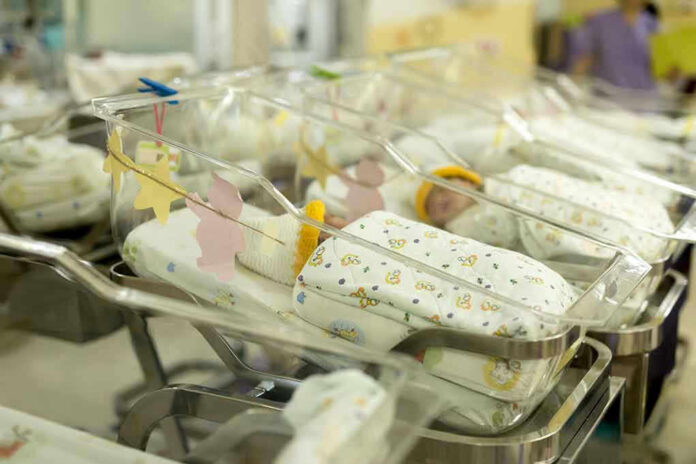
Prosecutors charged a Michigan neonatal nurse after a premature infant in his care was found with multiple fractures and widespread bruising, a case that raises urgent questions about safety inside hospitals trusted to protect the most vulnerable.
Story Highlights
- Prosecutors filed four child abuse charges after doctors reported multiple fractures and bruising.
- Court records say a room log showed the nurse made most entries during the night in question.
- Doctors ruled out other conditions and diagnosed pediatric physical abuse, according to filings.
- The hospital fired the nurse after the allegations surfaced, signaling serious concern.
Charges Filed After Hospital Flags Serious Injuries
Michigan authorities charged former Helen DeVos Children’s Hospital nurse Kieran Ansley with four counts of child abuse after a premature infant was found with multiple broken bones and bruising. The charges include two second-degree felonies and two fourth-degree misdemeanors, according to published reports citing court documents. Reporters say filings describe bruises on the baby’s tongue and across the body. Investigators sought medical imaging and exams, which they say documented fractures that triggered the criminal case.
Coverage based on court records says doctors excluded other medical causes and reached a diagnosis of pediatric physical abuse. Outlets quoting the documents report that clinicians described injuries inconsistent with routine care or the infant’s stage of development. Prosecutors moved ahead after the medical review and a hospital referral. The hospital later confirmed the nurse was no longer employed there following the findings, indicating leaders viewed the situation as grave enough for immediate action.
Badge Logs and a Timeline Built From the Night Shift
Media reports that cite court filings say a staff access log recorded 32 entries to the infant’s room on the night in question, with Ansley accounting for 27 of those entries. That pattern helped investigators narrow who had the most contact during the window when injuries were believed to have occurred. The filings described a sequence that began with an overnight shift and ended when the child’s mother arrived, saw bruising, and alerted staff. That alert set off the medical workup and police response.
Accounts drawn from those records also describe behavior at the unit doorway as the parents arrived, including an attempt to reach them before they entered the room. Reporters say the filing quotes a claim that the infant had “slept through the night,” which conflicted with what the family then observed at the bedside. While the reporting summarizes court documents rather than publishing them in full, the consistent details across multiple outlets show how investigators built their probable cause narrative before filing charges.
Injury Pattern and Medical Findings Described in Filings
Reports say the court documents list bruising to the infant’s tongue, hands, arms, thigh, buttocks, abdomen, and legs, along with fractures found on imaging. The range of injuries led clinicians to consider non-accidental trauma. According to the coverage, the documents state, “The totality of the findings resulted in a diagnosis of pediatric physical abuse,” which is a standard phrase used when doctors conclude injuries are not explained by illness or routine handling. Those conclusions often guide both hospital safeguards and law enforcement steps.
🚨BREAKING: Kieran Ansley (43), A former NICU nurse at Helen DeVos Children’s Hospital in Michigan has been charged with child abuse after a premature baby girl was found with multiple broken bones, bruises and a tongue that had turned blue and black.
This baby was born at just… pic.twitter.com/sxXyLSlhA9
— Bethany O’Leary 🇺🇸 🦅 (@BethanyForTruth) September 25, 2026
Other media accounts note that the hospital fired Ansley after the allegations, a step that usually follows an internal review and consultation with clinical leaders and risk teams. Termination is not a legal judgment, but it does show institutional concern about patient safety. Defense counsel quoted in one report called Ansley a “good person” with years of nursing experience and said he is cooperating, underscoring that the case will now turn on evidence presented in court, not public commentary.
Why This Case Hits Public Nerves Across the Spectrum
Families trust neonatal intensive care units with fragile newborns who cannot speak for themselves. When a hospital reports injuries and prosecutors file charges, people across political lines see a core duty at stake: protect those who have no power. Conservatives who focus on accountability want strong safeguards and swift discipline. Liberals who stress equity want safe care for every child regardless of status. Both agree that systems must work, records must be accurate, and warnings must be acted on.
This case also shows a pattern often seen in neonatal abuse investigations. Hospitals and police possess scans, logs, and notes, while the public sees summaries in court filings and news stories. That gap makes it easy for rumors to spread online and for emotions to run high. The sound approach is simple. Let the evidence lead. Demand careful, transparent processes inside hospitals. Expect prosecutors to prove their case with medical facts and clear timelines. And insist that every infant’s safety comes first, every time.
Sources:
yahoo.com, mlive.com, ibtimes.co.uk, newsbreak.com, dailymail.com