A diplomatic rift has opened between two allies over two former enemy soldiers, after South Korea’s president publicly accused Ukraine’s Zelensky of breaking a secrecy deal at the United Nations.
Story Snapshot
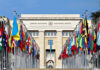
- Ukrainian President Volodymyr Zelensky told the UN General Assembly on September 23 that Ukraine sent two North Korean prisoners of war to South Korea.
- South Korean President Lee Jae Myung said the move broke a confidentiality agreement and called the disclosure “deeply regrettable.”
- Ukraine’s presidential office says it only confirmed the transfer happened, not detailed process information, and that talks with Seoul continued directly.
- South Korea’s Foreign Ministry has not denied the transfer but won’t confirm timing or details, citing safety risks for the soldiers and their families.
Zelensky’s UN Announcement Sparks Immediate Pushback
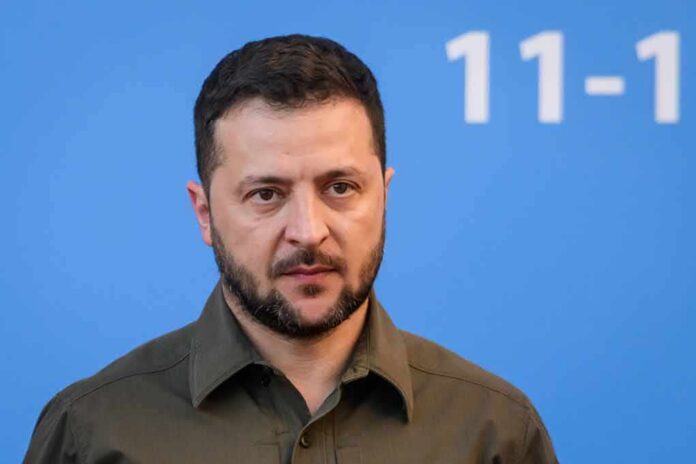
Speaking to world leaders at the United Nations General Assembly on September 23, Zelensky said, “Recently, we sent two North Korean prisoners of war to the Republic of Korea.” He gave no further details about how or when the transfer happened. The announcement came after months of uncertainty about the fate of the two soldiers, who were captured while fighting for Russia.
Within a day, South Korean President Lee Jae Myung fired back. He said Ukraine had agreed to keep the transfer secret and that going public broke that deal. “Considering the various issues that could arise from making the information public, keeping it confidential was the reasonable course of action in every respect,” Lee said, adding that Seoul had faced pressure to reveal the news earlier but chose not to.
Seoul Won’t Confirm Details, But Doesn’t Deny the Transfer
South Korea’s Foreign Ministry didn’t dispute that the transfer took place. Instead, officials said they couldn’t confirm the soldiers’ location, the timing, or the route used to bring them to South Korea. A ministry spokesperson called it “a sensitive matter related to personal safety”. That careful wording suggests the transfer itself isn’t in question. What’s contested is whether Ukraine had a duty to stay quiet about it.
The soldiers’ safety appears to be the central concern driving Seoul’s caution. North Korean defectors and their relatives back home can face retaliation if their identities or whereabouts become public. South Korean officials have said they expect to keep the men’s movements confidential going forward to protect both them and family members still living under North Korea’s government.
Ukraine Pushes Back on the Breach Accusation
Ukraine’s presidential office responded after Zelensky’s remarks, saying the transfer was handled through direct talks with Seoul. Officials in Kyiv argued it would have been “strange to keep the entire transfer a secret” and insisted they only revealed that the transfer happened, not the detailed process behind it. That distinction—confirming an outcome versus disclosing operational details—is now at the heart of the disagreement between the two governments.
🇰🇷 𝗦𝗢𝗨𝗧𝗛 𝗞𝗢𝗥𝗘𝗔 𝗔𝗖𝗖𝗨𝗦𝗘𝗦 𝗭𝗘𝗟𝗘𝗡𝗦𝗞𝗬𝗬 𝗢𝗙 𝗟𝗘𝗔𝗞𝗜𝗡𝗚 𝗦𝗘𝗖𝗥𝗘𝗧 𝗡𝗢𝗥𝗧𝗛 𝗞𝗢𝗥𝗘𝗔𝗡 𝗣𝗢𝗪 𝗧𝗥𝗔𝗡𝗦𝗙𝗘𝗥 𝗢𝗣𝗘𝗥𝗔𝗧𝗜𝗢𝗡
September 24. South Korean President Lee Jae-myung expresses regret that Ukraine publicly announced transferring two… pic.twitter.com/LkvBsrrQb5
— 🇺🇦 Vortex Report (@VortexReportX) September 25, 2026
No government has released the actual text of any confidentiality agreement. That means the public is relying entirely on statements from officials rather than a signed document. Lee’s accusation carries weight because he’s a head of state speaking on the record, but without the underlying paperwork, there’s no independent way to check whether the deal was a formal pact or a looser understanding between diplomats.
Why This Small Dispute Matters
This isn’t really a fight about whether two North Korean soldiers were sent to South Korea. Both sides agree that happened. It’s a fight about control—who gets to decide when sensitive diplomatic news becomes public, and who gets credit for a humanitarian outcome. That tension shows up constantly in wartime diplomacy, where quiet coordination and public credit-claiming often pull in opposite directions.
For ordinary citizens watching two allied governments squabble over disclosure timing, the episode reinforces a familiar frustration: leaders often seem more focused on managing narratives and protecting political standing than on straightforward transparency. Whether or not a formal agreement was broken, the public still doesn’t have the full picture—and neither government has rushed to fill in the gaps.
Sources:
yahoo.com, news.sbs.co.kr, asiae.co.kr, barrons.com, aljazeera.com