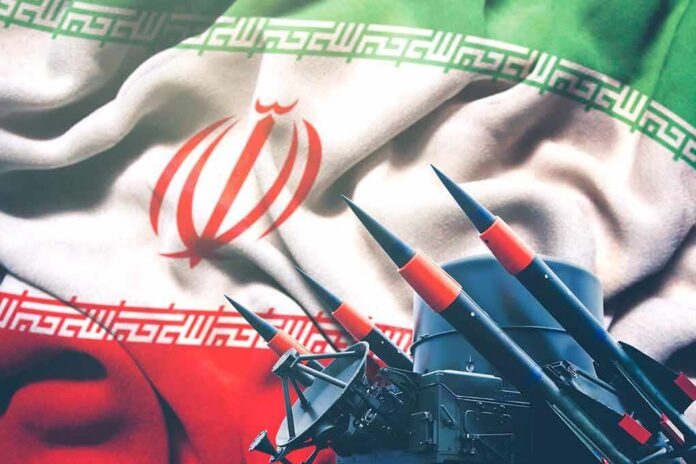
A top adviser to Iran’s supreme leader warned that any new U.S. or Israeli strike could push the war into the Indian Ocean and “perhaps beyond.”
Story Snapshot
- Iran’s Yahya Rahim Safavi tied wider war to any further U.S. or Israeli attack.
- Reports repeat the same quote across multiple outlets on the same day.
- The warning signals risk to key sea lanes but shows no new deployments.
- Past strikes in the Indian Ocean frame why this theater now matters.
Who Said What: The Core Warning
Yahya Rahim Safavi, a senior adviser to Iran’s supreme leader, said the conflict could expand to the Indian Ocean if the United States or Israel attacks again. He linked the risk to how fighting already spread from the Persian Gulf and Strait of Hormuz to the Red Sea. He said the front may stretch “to the Indian Ocean and perhaps beyond,” in remarks carried by multiple outlets that attributed the quote to a Fars News video.
Coverage in India, Egypt, and Bangladesh carried the same warning with similar wording. These reports stressed the condition for escalation: another strike on Iran or its interests. The Hindu highlighted the “Indian Ocean and beyond” phrasing, which suggests risk to shipping lanes that link the Middle East to South Asia and Africa. The shared quote across outlets helps confirm what was said, though each used its own translation from Persian.
What Is New — And What Is Not
The message is new because it adds the Indian Ocean to the public map of risk tied to future attacks. The message is not a proof of orders, targets, or an active naval surge. No cited report shows new Iranian deployments, missile moves, or tasking toward Indian Ocean operations after the statement. The warning is deterrent signaling. It raises costs for rivals without confirming that Iran chose to open a new front now.
The Indian Ocean has already featured in the wider conflict this year. A think tank brief and U.S. media reported that a United States submarine torpedoed an Iranian warship in international waters off Sri Lanka in March. That strike moved fighting south of the Arabian Sea and into a sea lane used by energy and container ships. That history explains why new threats aimed at that theater get quick attention from markets and navies.
Why This Matters for Americans, Shippers, and Allies
Oil, trade, and the price of basics depend on safe sea lanes. Any spread of attacks toward the Indian Ocean could raise shipping insurance, slow deliveries, and push up fuel prices. That is a tax on families and small businesses already squeezed by high costs. Both parties say they stand with working people, yet year after year, Washington lets distant wars rattle supply lines while Americans pay the bill at the pump and the store.
U.S. Trains Sri Lanka to Detect Maritime Sanctions Evasion Amid Iranian Vessel Presence 🇺🇸🇱🇰🚢
The U.S. Embassy in Sri Lanka conducted a three-day training for 40+ officials on detecting suspicious vessels, deceptive shipping practices and sanctions-evasion risks amid the… pic.twitter.com/ZJWZZfIWNi
— Sri Lanka Tweet 🇱🇰 (@SriLankaTweet) September 25, 2026
The United States government, now led by President Trump with Congress under Republican control, must weigh deterrence against blowback. Hitting Iran again could trigger the very expansion Safavi warned about. Pulling back could signal weakness to rivals. Voters across left and right see leaders talk tough, spend more, and still fail to shield household budgets from the fallout. That gap feeds the belief that distant elites take risks while regular people carry the costs.
Reading the Signal Without the Spin
Safavi’s words were clear, but conditional. He said escalation to the Indian Ocean would follow another attack. The reports did not cite new ship movements, missile alerts, or fresh orders that show an operation is set. The strongest, testable facts are the quote itself and its repeat across outlets the same day. The rest is risk math: a credible warning, vital waterways, and a recent record of strikes in those waters earlier this year.
What to Watch Next
Watch for satellite or port-call reports showing Iranian naval units shifting toward Chabahar or into the Arabian Sea. Watch for missile movement reports in southeastern Iran. Watch for the United States Navy rerouting carriers, escorts, or logistics ships deeper into the Indian Ocean. Also track shipping advisories and insurance rate changes for routes around Oman, India, and Sri Lanka. These are the practical signs that talk is turning into action.
Bottom Line
A named Iranian adviser warned that another U.S. or Israeli strike could widen the war to the Indian Ocean. The warning fits Iran’s pattern of calibrated threats, and it lands in a year when the Indian Ocean already saw combat. There is no confirmed new Iranian buildup tied to this statement yet. The risk is real because sea lanes are exposed. The duty of leaders is to protect families and commerce first, not to gamble them away in a contest of headlines.
Sources:
insiderpaper.com, biz.heraldcorp.com, hindustantimes.com, isas.nus.edu.sg