A leaked Signal chat about Yemen strikes hijacked a critical intelligence hearing that was supposed to focus on Iran, border security, and the kind of extremist threats Washington too often tiptoes around.
Quick Take
- DNI Tulsi Gabbard testified with FBI Director Kash Patel and CIA Director John Ratcliffe as Congress pressed them on global threats and internal security risks.
- Lawmakers repeatedly zeroed in on a reported Signal group chat that accidentally included a journalist and contained operational details tied to U.S. strikes on Yemen’s Houthis.
- Witnesses argued the chat did not include classified intelligence, while some members suggested the operational specificity still raised serious handling concerns.
- Border security risks—especially “special interest aliens”—were discussed alongside broader worldwide threats, reflecting ongoing concerns about vetting and enforcement.
Intelligence leaders face two tests: external threats and internal discipline
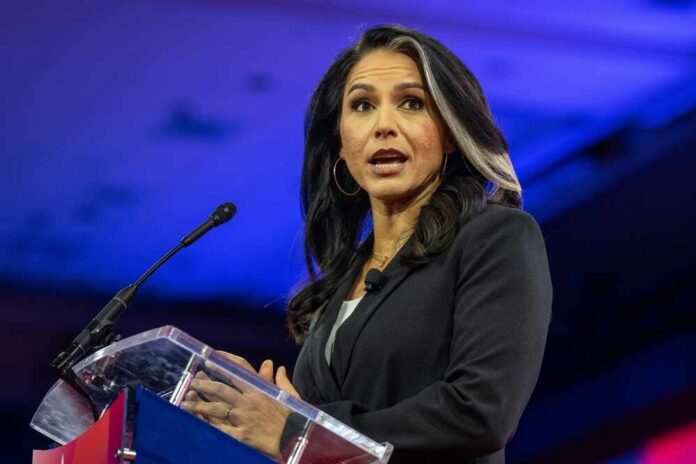
Tulsi Gabbard appeared before an intelligence committee alongside Kash Patel and John Ratcliffe as lawmakers sought clarity on threats ranging from Iran’s nuclear trajectory to Middle East conflict spillover and border-driven security vulnerabilities. The hearing’s substance was straightforward: assess danger, explain capabilities, and justify priorities. The complication was political and procedural: members also demanded answers about communications practices inside the Trump national security team.
That side issue became unavoidable because it touched a core expectation voters have of any administration—competence with sensitive information. Even supporters who want a tougher stance on Iran and the border generally expect operational security to be tight, not casual. The witnesses’ task, then, was to keep the focus on real-world threats while answering whether an avoidable comms mistake created new risks for troops, allies, or ongoing operations.
The Signal chat controversy: what is known and what remains disputed
Reports cited during the hearing centered on a Signal group chat in which detailed Yemen strike planning—targets, weapons, sequencing, and timing—was shared, and a journalist, Jeffrey Goldberg, was inadvertently included. In testimony, Gabbard maintained the chat contained no classified intelligence and emphasized that original classification authority rests elsewhere, not with DNI. Ratcliffe also described the journalist’s inclusion as inappropriate.
The unresolved question is not whether the inclusion of a journalist was “bad optics”—it plainly was—but whether the information discussed should have been treated as classified due to operational specificity. Some lawmakers argued that even if no “intelligence sources and methods” were revealed, operational details can still be highly sensitive. The National Security Council review referenced in coverage suggests the administration is treating the incident as a serious process failure, at minimum.
Iran, the Middle East, and the cost of losing the plot
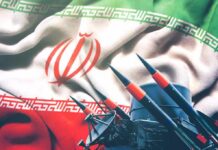
Iran’s nuclear program and regional instability were central topics as the committee examined worldwide threats while conflict dynamics in the Middle East remained volatile. The practical risk for the U.S. is strategic distraction: when Capitol Hill and the media fixate on a comms scandal, the public hears less about deterrence, sanctions policy, proxy networks, and escalation pathways. That matters because Tehran watches American cohesion—and division—closely.
At the same time, oversight is not optional. Congressional committees exist to force clarity on how sensitive decisions are made and communicated. The hearing highlighted that tension: national security leaders tried to separate “operational planning” from “classified intelligence,” while questioners pressed the common-sense point that real-time strike specifics can endanger personnel and partnerships if mishandled. Limited public details mean final judgments hinge on what the NSC review finds.
Border security and “special interest aliens” return to the center of threat talk
Patel’s testimony included border-related national security risks, including references to “special interest aliens,” a term used for individuals whose travel patterns or origin countries can trigger heightened scrutiny. The hearing framed this as more than an immigration policy dispute; it was presented as a screening and enforcement challenge with direct security implications. For a public exhausted by years of lax enforcement debates, that framing puts sovereignty and safety back into the same sentence.
The hearing also intersected with broader debates about surveillance authorities and U.S.-person protections, including FISA-related issues discussed in the coverage. That matters to conservatives for two reasons: the border can be exploited by hostile actors, and expanded surveillance powers can also be turned inward on Americans if guardrails fail. The central challenge is balancing aggressive threat prevention with constitutional protections—without pretending either problem is imaginary.
Bottom line: oversight is necessary, but the threat picture is bigger than the scandal
Gabbard’s appearance showed how quickly a single mistake—adding the wrong person to a chat—can consume oxygen that should be spent on adversaries and vulnerabilities. The factual record supports two simultaneous realities: the external threats discussed (Iran, regional conflict, border-linked risks) are ongoing, and the Signal episode created a legitimate accountability issue now under NSC review. Both demand attention, not spin.
Gabbard Shrugs Off Joe Kent Drama, Appears Before Intelligence Committee to Talk Sharia, Border, and Iranhttps://t.co/oDUqUllcrN
— RedState (@RedState) March 18, 2026
For voters who lived through years of bureaucratic evasiveness, the standard should be consistent regardless of which party is in power: enforce secure communications, tell the truth about threat vectors, and avoid policies that weaken sovereignty or constitutional rights. The hearing offered fragments of that clarity, but it also exposed how Washington can get pulled into drama while adversaries keep moving. The next concrete milestone will be what the NSC review publicly confirms, if anything.
Sources:
ATA Opening Statement (as prepared)
Congressional Testimonies 2025 (DNI.gov)