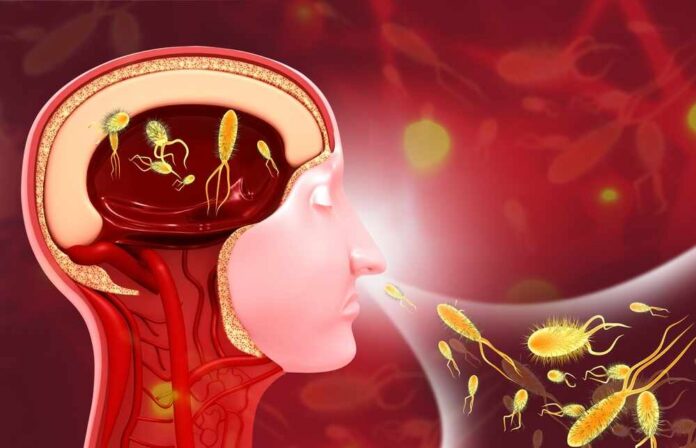
Scientists warn that deadly amoebas thriving in warming waters now pose an escalating global health threat while government agencies struggle with outdated infrastructure and inadequate monitoring systems that leave millions of Americans vulnerable.
Story Snapshot
- Brain-eating amoebas and related species spreading globally due to climate change and failing water infrastructure
- Pathogens survive extreme heat and chlorine, acting as “Trojan horses” for antibiotic-resistant bacteria
- Scientists call for urgent One Health approach, but no coordinated government response exists
- Rare but 95-99% fatal infections threaten swimmers, tap water users as ranges expand northward
Rising Threat from Resilient Microorganisms
Environmental and public health scientists published a perspective article in the journal Biocontaminant identifying free-living amoebae as an emerging global health crisis. These microscopic organisms, including the notorious Naegleria fowleri known as the brain-eating amoeba, demonstrate alarming resilience by surviving high temperatures, strong chlorine disinfectants, and persisting within water distribution systems. Longfei Shu from Sun Yat-sen University emphasized their exceptional survival capabilities, noting they can tolerate conditions that would eliminate most pathogens. The research differentiates this threat from isolated outbreak cases by focusing on the broader category of free-living amoebae and their unique ability to harbor other dangerous pathogens, creating a compounding health risk that current government monitoring systems fail to address.
Deadly Infections and Infrastructure Failures
Naegleria fowleri causes primary amebic meningoencephalitis when contaminated water enters the nasal passages during swimming or sinus rinsing, resulting in a brain infection with a 95-99% fatality rate. Globally, only 381 cases have been documented, making each incident highly publicized due to its rarity and devastating outcome. The infection occurs through nasal entry rather than ingestion, primarily in warm freshwater environments including lakes, rivers, hot springs, poorly chlorinated pools, and even tap water systems. Recent outbreaks in recreational water across multiple countries have heightened public awareness, yet aging water infrastructure in American cities continues to provide ideal conditions for these organisms to thrive and spread, exposing citizens to preventable risks while bureaucrats delay necessary upgrades.
Climate Change Expands Geographic Range
Rising global temperatures enable heat-loving amoeba species to colonize regions previously too cold for their survival, expanding their geographic range into northern latitudes. Climate change acts as a force multiplier, creating warmer water conditions in lakes, rivers, and even municipal water systems that favor amoeba proliferation. Scientists warn that heatwaves increase exposure risks at pools, lakes, and water parks where families recreate, while poorly maintained infrastructure allows these pathogens to establish permanent residence in distribution networks. The convergence of environmental warming and government neglect of critical water infrastructure creates a perfect storm scenario. Water utilities face mounting pressure to implement costly treatment upgrades and enhanced monitoring protocols, yet political inertia and budget constraints leave vulnerable communities, particularly in developing areas, exposed to escalating dangers that officials acknowledge but fail to meaningfully address.
Trojan Horse Effect Amplifies Antibiotic Resistance
Free-living amoebae function as microscopic Trojan horses by sheltering dangerous pathogens including Legionella pneumophila, Mycobacterium tuberculosis, Cryptococcus neoformans, norovirus, and adenovirus within their cellular structures. This protective relationship allows bacteria to survive disinfection processes and evade immune system attacks, while simultaneously promoting antibiotic resistance development. The mechanism creates long-term implications extending beyond rare fatal infections to widespread pathogen persistence in water systems. Scientists emphasize this threat requires integrated solutions crossing traditional bureaucratic boundaries, yet government agencies remain siloed in their approaches. Shu stated that amoebae constitute neither solely a medical issue nor purely an environmental problem, demanding coordinated action. Despite urgent calls for a One Health framework involving surveillance improvements, advanced diagnostics, and treatment innovations, no comprehensive global response has materialized, leaving citizens dependent on fragmented state and local initiatives.
Scientists sound alarm as dangerous amoebas spread globally
https://t.co/ADKwxWEAPL— soccimo (@soccimo) May 2, 2026
The January 2026 publication in Biocontaminant represents the scientific community sounding an alarm about preventable risks, yet the research reveals what many Americans already suspect: government institutions prioritize bureaucratic preservation over protecting citizens from known threats. Water treatment costs will inevitably rise, tourism faces potential advisories during summer heatwaves, and public health agencies must shift resources toward monitoring organisms they have largely ignored. While experts achieve consensus on climate-driven spread requiring health-water sector integration, the gap between scientific recommendations and government action widens. Citizens facing contaminated water systems deserve accountability from officials who allowed infrastructure to decay while focusing on politically expedient projects, exemplifying how the administrative state fails to tackle fundamental problems affecting everyday Americans seeking safe water for their families.
Sources:
Scientists warn of a growing global threat from amoebae in water – EurekAlert
Scientists call for urgent action as dangerous amoebas spread globally – ScienceDaily
Dangerous amoebas are spreading worldwide as waters warm – Earth.com
Scientists warn of dangerous free-living amoebas – The Independent