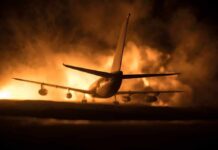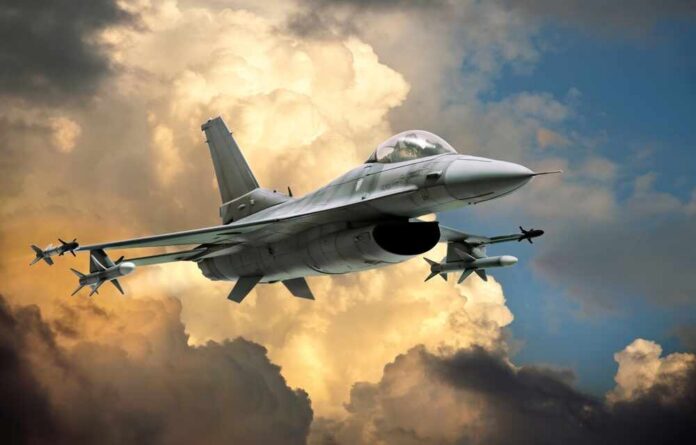
F-16 fighter jets scrambled with flares deployed near Palm Beach as President Trump’s Air Force One sat vulnerable on the tarmac, exposing yet another security incident that reminds Americans how our leaders remain at risk even on home soil.
Story Snapshot
- NORAD scrambled F-16s and deployed flares after a civilian aircraft breached restricted airspace near Air Force One at Palm Beach International Airport on March 29, 2026
- The unresponsive pilot violated a Temporary Flight Restriction while President Trump was at his golf course, triggering immediate military intercept protocols
- Airport operations halted for approximately one hour, delaying hundreds of passengers as security forces escorted the aircraft out of the zone
- White House confirmed no actual threat to the President, debunking viral social media rumors claiming a drone incursion near Mar-a-Lago
Presidential Security Breach Triggers Military Response
A civilian general aviation aircraft entered restricted airspace near Palm Beach International Airport at approximately 1:15 p.m. EDT on March 29, 2026, while Air Force One awaited President Trump’s scheduled departure to Washington. The pilot failed to respond to radio communications, prompting North American Aerospace Defense Command to launch F-16 fighter jets from their alert stations. Military pilots deployed flares as a non-lethal signaling method to capture the unresponsive pilot’s attention. This standard intercept procedure follows post-9/11 protocols designed to protect presidential aircraft and national leaders from potential airborne threats in restricted zones.
Temporary Flight Restrictions Enforced During Trump Visit
President Trump was spending Sunday afternoon at Trump International Golf Course when the breach occurred, creating a Temporary Flight Restriction zone around both Mar-a-Lago and the airport where Air Force One was positioned. Federal Aviation Administration regulations establish these no-fly zones during presidential movements, making any aircraft entering the area without authorization a serious security concern. The civilian pilot eventually re-established contact with authorities and was safely escorted outside the restricted perimeter. NORAD officials emphasized that the flares posed no danger to civilians and represented textbook execution of intercept protocols for TFR violations.
Social Media Fuels Drone Speculation Debunked by Officials
Initial reports spreading across social media platforms claimed a drone had penetrated the security zone, sparked by a Delta Air Lines pilot’s intercom announcement that passengers recorded and shared online. The viral video showed visible flares in the sky, leading to speculation about hostile drone activity near the President. White House officials quickly clarified that no drone incursion occurred and that the aircraft was “briefly out of communication” before being intercepted. The incident highlights how misinformation spreads rapidly during security events, creating unnecessary alarm when routine protocols are actually functioning as designed to protect our commander-in-chief.
Airport Disruptions and Aviation Safety Concerns
Palm Beach International Airport implemented a ground stop lasting approximately one hour, affecting hundreds of travelers including those on Delta flights who witnessed the military response firsthand. The FAA attributed delays to “volume” rather than directly citing the security incident, though the timing clearly connected to the airspace violation. This event serves as a stark reminder to pilots about the severe consequences of TFR violations, which can result in substantial federal fines and potential certificate actions. Aviation experts note these inadvertent breaches remain relatively common despite improved GPS technology and NOTAMs warning pilots of restricted zones around presidential locations and high-profile events.
F-16s Scramble Near Trump’s Air Force One After Security Scarehttps://t.co/R5wayfUv9e
— PJ Media (@PJMedia_com) March 30, 2026
Air Force One departed Palm Beach later that evening without further incidents, and operations at the airport returned to normal following the one-hour disruption. NORAD’s swift response demonstrated the military’s readiness to defend presidential airspace, though the incident raised no lasting security concerns according to Secret Service assessments. The unidentified civilian pilot’s motivations remain unspecified in official reports, with authorities suggesting a likely navigation error rather than intentional breach. For Trump supporters already concerned about threats facing the President amid ongoing conflicts abroad, this incident underscores the constant vigilance required to protect American leadership even during routine domestic travel.
Sources:
Drone sighting near Air Force One triggers temporary PBI ground stop, Delta pilot says
F-16s scrambled after aircraft breaches Air Force One zone
F-16 Jets Deploy Flares After Security Scare Near Air Force One