New York City’s democratic socialist mayor is promising free buses, rent freezes, and universal childcare — while telling Wall Street it has nothing to fear from his tax hikes and city-run services.
Story Snapshot
- Mamdani is openly doubling down on democratic socialism, not backing away from the label.
- He is pushing bigger taxes on corporations and millionaires to fund free buses, universal childcare, and rent freezes.
- He insists Wall Street and business leaders can still profit and work with his administration.
- Critics warn his agenda could drive out jobs, investment, and higher earners from New York City.
Mamdani’s Double-Down on Democratic Socialism
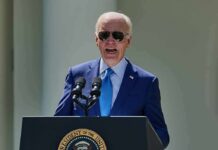
Zohran Mamdani, New York City’s mayor, is not watering down his politics. In rally speeches and interviews, he repeats that he was elected as a democratic socialist and will govern as one. He links his agenda to the old New Deal tradition, saying government should step in when markets fail everyday people. He describes his core goal as “affordability” — making housing, childcare, and transportation cheaper so regular workers can stay in the city. For many frustrated Americans on both left and right, that message hits real pain points about rising costs and stagnant wages.
Since winning office, Mamdani has moved quickly to show his ideas are more than slogans. He championed a rent freeze on nearly one million rent-stabilized apartments, calling it his “most straightforward promise” because it can deliver relief fast. He has touted early wins like free childcare for two-year-olds and refunds for tenants overcharged by landlords. Supporters say these moves prove government can act directly for working families instead of only for donors or lobbyists. That claim feeds growing anger at what many see as a distant “deep state” more focused on protecting elites than fixing daily problems.
The Affordability Agenda: What He’s Promising
Mamdani’s platform goes far beyond a rent freeze. He wants a Social Housing Development Agency to build 200,000 affordable units over a decade, backed by about $100 billion in investment, including municipal bonds. He backs universal childcare for children from six weeks to five years, which outside analysts estimate could cost around $6 billion a year. He also pushes free city buses for all riders and city-owned grocery stores in each borough to bring down food costs by cutting out profit margins. These are big promises aimed at people who feel the system is rigged and the American Dream is slipping away.
To pay for it all, Mamdani focuses on taxing those at the top rather than cutting existing services. He has proposed raising the corporate tax rate to roughly match nearby New Jersey and adding a flat two percent tax on those earning more than $1 million a year. Some estimates say these measures could bring in several billion dollars annually for New York City’s budget. He argues that the ultra-wealthy and large firms have benefited from decades of policy choices and should now “shoulder more of the cost” of public services. That pitch fits a wider national trend where big-city voters are turning toward democratic socialist candidates focused on affordability.
Wall Street Has “Nothing to Fear”? His Pitch to Business
What makes Mamdani’s stance unusual is how directly he speaks to Wall Street and business leaders. In a recent interview, he said financial firms “have nothing to fear” from his administration, even as he pushes higher taxes and tighter rules. He tells business audiences that stable housing, safer streets, and reliable childcare actually help companies by keeping workers in the city and cutting turnover. He stresses that he is not a communist and does not seek government control of all industry, pointing to fact-checks that rejected claims he wants to “seize the means of production.”
NYC Mayor Zohran Mamdani: “I think that for all of the fear-mongering around Democratic Socialism, the best response is to show what it actually means… A democratic socialist vision is one that paves more than 170,000 potholes.”
Don’t forget the homeless encampments that line… pic.twitter.com/OwsoiPsxGX
— Sergeant News Network (@SGTnewsNetworks) July 19, 2026
Mamdani also frames his agenda as a way to avoid chaos, not create it. He warns that if government ignores unaffordable rents, long commutes, and crushing childcare bills, middle-class families will leave and the local economy will hollow out. In his view, modest tax hikes on the richest residents and largest corporations are a fair trade if they keep New York livable for nurses, teachers, police officers, and small business workers. By talking this way, he tries to reach Americans across party lines who feel both “woke” cultural fights and corporate-friendly policies have left their real problems unsolved.
Critics’ Fears: Jobs, Investment, and Unintended Consequences
Many business leaders and conservative commentators see the situation very differently. Analysts at market-friendly think tanks argue that raising the minimum wage toward $30 an hour, freezing rents, and expanding public housing will raise costs and reduce hiring, especially for lower-skilled workers. They warn that heavier taxes on corporations and high earners could push them to move offices, jobs, or residency to lower-tax states like Florida or Texas. Right-leaning media already talk about a “millionaire exodus,” blaming democratic socialism for trends they claim began years earlier.
Some critics say city-owned grocery stores sound good but are very difficult to run at scale without wasting money or crowding out small businesses. Others note that Mamdani cannot change state tax law by himself and still needs Governor Kathy Hochul and the legislature to approve key parts of his agenda, including major tax hikes. Skeptics in both parties question whether his team can manage huge programs in housing and childcare without cost overruns or new bureaucratic failures. These doubts tap into a broader fear shared by many Americans: that a distant, elite-run government talks big but fails to deliver, no matter which party is in charge.
Where This Fits in America’s Bigger Political Divide
Mamdani’s fight in New York is part of a broader national shift. Since 2025, several major cities have elected mayors who call themselves democratic socialists and run on affordability-first agendas. Voters in places like Seattle and Washington, D.C. have picked leaders promising free or subsidized childcare, stronger tenant protections, and higher taxes on the rich. At the same time, Donald Trump and Republicans in Washington push “America First” policies, tighter borders, and lower federal regulation, while often attacking city socialists as dangerous radicals.
Yet underneath these loud partisan battles, a common frustration is growing. Many conservatives see “woke” culture, global trade deals, and big government spending as tools for elites rather than for workers. Many liberals see corporate tax cuts, weak safety nets, and harsh immigration enforcement the same way. Mamdani’s rise shows how anger at a failing status quo can fuel support for bold public programs, even when they clash with business interests. Whether his mix of democratic socialism and outreach to Wall Street can really work will depend on hard numbers: budgets, jobs, crime rates, and whether regular New Yorkers feel life in their city becomes more affordable and more fair.
Sources:
foxnews.com, theguardian.com, britannica.com, cnn.com, bbc.com, nytimes.com, youtube.com, nycbar.org, washingtonpost.com, abcnews.com, jacobin.com, aljazeera.com, lemonde.fr, nbcnews.com