
When a “family-friendly” parade turns into a viral fight over nude marchers and clashing crowds, it hits right at Americans’ growing fear that public rules no longer apply to the powerful or the loudest voices.
Story Snapshot
- Seattle’s 2026 Pride Parade drew hundreds of thousands downtown under a “Rally” theme, billed as inclusive and free to attend.
- Viral videos and commentators like Link Lauren claim nude marchers and a violent clash near a Christian preacher show clear illegal behavior.
- Official outlets and organizers describe a joyful, orderly event with police present, and provide no record of arrests for nudity or assault.
- The dispute exposes a deeper problem most Americans feel: rules in public spaces seem enforced by politics and pressure, not equal justice.
What Actually Happened at Seattle Pride 2026
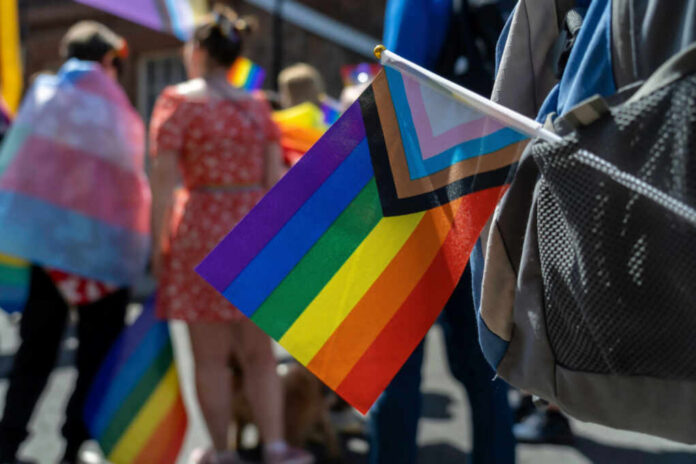
Seattle’s 2026 Pride Parade took place on Sunday, June 28, along Fourth Avenue in downtown, with the theme “Rally.” The parade ran from late morning into the afternoon, starting at Westlake Park and ending near the Seattle Center, and was advertised as free, inclusive, and welcoming to families. Local guides and organizers say more than 250 marching groups and hundreds of thousands of people packed the route, making it Washington’s largest Pride event and a major civic moment.
Seattle Pride’s own materials stress that the parade is both a celebration and a protest, tying the event to a long history of LGBTQ activism. Mainstream outlets like KIRO 7, KOMO, and Fox 13 described bright colors, music, smiles, and people of all ages lining the streets. Their coverage focused on community groups, flags for transgender people and communities of color, and political themes like voting and civil rights, not on arrests or disturbances. Police were present for traffic control and security, as they are at most large parades.
The Viral Claims of Nudity and Violence
Soon after the parade, conservative commentators and social media accounts began sharing clips they say show nude marchers walking in front of families and children, and a violent clash near a Christian street preacher. Posts linked to video of a group surrounding a preacher while a hired security guard tried to keep space, with claims that “LGBTQ+ hecklers attacked” the guard and that the parade “devolved into violence.” Other accounts blasted city leaders and Pride organizers, saying “this is illegal activity” and asking why police did not step in.
At the same time, some online voices, including in LGBTQ-friendly spaces, admitted unease about nudity at Pride events that call themselves “family-friendly.” One gay Christian forum user wrote that Seattle Pride “says family friendly, there’s still nude people and it’s a big event,” and asked how people should think about oversexualized displays in front of kids. These posts capture a broader frustration that crosses party lines: many Americans feel nobody is clearly in charge of basic standards in public, especially when events are shielded by politics or activism.
What the Evidence Shows — and What It Does Not
So far, there is no public record of Seattle Police Department incident reports or arrest logs from June 28 that confirm charges for public indecency or assault tied to the Pride parade. The major local news stories do not mention arrests, fights, or citations for nudity. The viral clips show tension and jostling, but they have not been matched with sworn statements from the security guard, the preacher, or identified officers who were on scene, so the full context remains unclear from the available research.
On the nudity question, Washington law allows some forms of expression but still bans lewd conduct; how that line is drawn in a crowded parade is often left to police and city policy. Social media posts allege completely naked marchers walking near children, yet none of the primary local reports or the organizers’ site acknowledge such incidents or explain any enforcement decisions. That gap feeds the sense, especially among both conservative and liberal skeptics, that institutions talk about “inclusivity” while quietly dodging hard questions about limits and basic public norms.
Why This Fight Resonates Beyond Seattle
The Seattle dispute fits a broader national pattern around Pride events and public trust. Civil rights groups note a long history of police clashing with LGBTQ marchers, from past raids on gay bars to arrests at Pride in New York City. At the same time, separate reports show far-right and anti-LGBT groups targeting Pride parades with threats, guns, and efforts to intimidate or shut events down. These twin pressures push cities to walk a tightrope: protect free speech and safety, but also avoid being seen as either cracking down on LGBTQ people or ignoring behavior many families find unacceptable.
For many Americans on both the right and the left, what cuts deepest is not one parade or one clip. It is the feeling that rules change depending on who is marching and what message they carry. When a huge, city-backed event is branded as “family-friendly,” yet serious claims about nudity and violence are answered with silence or spin, it reinforces the belief that a small group of elites and activists set the terms — and the rest of the country, including parents just trying to raise kids with clear boundaries, are left wondering if the law still means the same thing for everyone.
Sources:
youtube.com, kiro7.com, facebook.com, seattletimes.com, naacpldf.org