The Trump administration has moved to close a major visa loophole, and Beijing is threatening “countermeasures” in return.
Story Snapshot
- The Department of Homeland Security set fixed stay limits for foreign and Chinese journalists, ending open-ended visas.
- Foreign reporters now get up to 240 days; Chinese journalists are capped at 90 days with possible extensions.
- China calls the rules “discriminatory,” warns of retaliation, and hints at new pressure on American media.
- The changes aim to stop visa abuse, tighten legal immigration, and protect U.S. national security.
New Visa Rules Target Foreign And Chinese Journalists
The United States Department of Homeland Security has finalized new rules that sharply limit how long foreign journalists can stay in the country. Under the regulation, most foreign reporters will receive visas for a fixed period of up to 240 days, or about eight months, instead of the old open-ended “duration of status” system that could last for years. Chinese nationals face the strictest terms, with journalist visas capped at just 90 days, though they may request 90-day extensions.
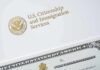
Department of Homeland Security officials say the change is needed to strengthen oversight of legal immigration and close a loophole that allowed foreign media workers, students, and exchange visitors to remain in the United States “indefinitely without routine government oversight.” The new fixed limits apply across several visa categories for students, cultural exchange participants, and journalists. The rule will take effect 60 days after publication in the Federal Register and can be renewed, but only in strict, time-bound blocks.
China Denounces Policy As ‘Discriminatory’ And Threatens Retaliation
Chinese officials reacted with anger, claiming the new American visa rules unfairly single out their reporters. At a press briefing in Beijing, foreign ministry spokesperson Lin Jian urged Washington to withdraw what he called “discriminatory” regulations and warned that China “reserves the right to take reciprocal countermeasures.” Chinese state media and diplomats argue the steps violate prior media understandings between the two countries and risk triggering a new round of “media warfare” that targets journalists on both sides.
Beijing has a history of using visas as a political weapon. In earlier disputes, Chinese authorities delayed or denied credentials for reporters from major American outlets and threatened to expel all U.S. journalists if Washington did not renew Chinese media visas. Now, officials are again hinting that retaliation could include tighter limits or outright bans on American reporters working in mainland China and Hong Kong. For many conservative Americans, these threats underline why stricter vetting of foreign, especially state-backed, media workers is a national security issue, not simply a press freedom debate.
A Long Pattern Of Media Visa Showdowns Between Washington And Beijing
This clash over journalist visas fits a pattern that has played out for more than two decades. U.S. and Chinese governments have repeatedly used access for foreign reporters as leverage whenever broader tensions rise, whether over trade, human rights, or espionage concerns. Previous Trump-era rules already imposed a 90-day limit on Chinese media visas in 2020, signaling early on that Chinese state media would face tighter scrutiny than other countries’ outlets. The new rule extends this approach by locking all foreign journalists into strict, reviewable time frames.
Press freedom groups and some foreign outlets worry that shorter visas could discourage long-term investigative reporting and increase uncertainty for families of journalists based in the United States. They argue that the old system, which tied visa validity to employment, better protected open media exchange. But supporters of the Trump administration’s move point out that China itself keeps tight control over foreign press, has expelled American reporters, and continues heavy censorship at home. They see the new limits as a reasonable, reciprocal response that still allows honest journalism while curbing visa abuse and potential influence operations.
What The Changes Mean For U.S. Security And Everyday Readers
For American readers who value national sovereignty, border control, and clear rules, the core issue is simple. The old “duration of status” framework let foreign journalists, students, and exchange visitors stay in the country as long as their paperwork remained in order, often with limited follow-up. The new policy requires regular check-ins and renewals, making it harder for bad actors to slip through the cracks and easier for immigration officers to track who is here and why. That approach aligns with broader efforts to tighten legal immigration and stop visa overstays.
China rejects President Trump's election interference allegations as unfounded and urges the US to withdraw its new journalist visa rules : Agencies #China #US #Trump #Geopolitics pic.twitter.com/SNAs2hrFoa
— ET NOW (@ETNOWlive) July 17, 2026
Critics warn that China’s promised countermeasures could further reduce the already limited space for American and other foreign journalists in China. But many conservatives see Beijing’s threats as proof that the United States has relied too long on one-sided goodwill that China does not share. When a rival regime uses media visas as a tool of pressure and propaganda, requiring its state-linked reporters to renew their stay every 90 days is not an attack on the First Amendment. It is a common-sense safeguard that aims to protect American security, institutions, and the integrity of our public debate.
Sources:
insiderpaper.com, sfgate.com, theepochtimes.com, scmp.com, thehindu.com, ndtv.com, reuters.com, cpj.org, bloomberg.com, travel.state.gov, france24.com, uscis.gov