China’s cyber espionage campaign against its supposed ally Cuba exposes a massive security failure that compromised sensitive diplomatic communications just as the Trump administration turned the screws on Havana, revealing how America’s adversaries exploit both outdated technology and geopolitical chaos to gain strategic advantages.
Story Snapshot
- Chinese state-affiliated hackers breached Cuba’s Washington D.C. embassy in January 2026, downloading entire inboxes of 68 officials including the ambassador
- The intrusion exploited five-year-old vulnerabilities in unpatched Microsoft Exchange servers during Cuba’s energy crisis caused by U.S. oil shipment halts
- Beijing’s spying on its own ally coincided with sensitive U.S.-Cuba diplomatic negotiations over prisoner releases and policy changes
- Security experts warn the breach gave China crucial strategic intelligence on American diplomatic maneuvers in the hemisphere
Ally Turned Surveillance Target
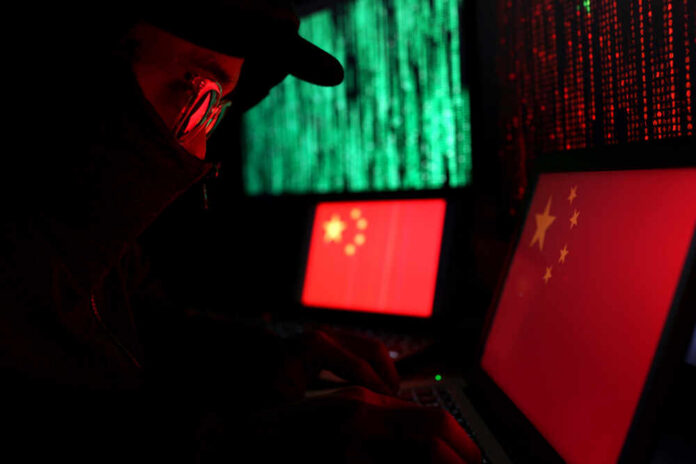
Gambit Security disclosed in late April 2026 that Chinese hackers had compromised the Cuban Embassy in Washington D.C. starting in January, accessing confidential emails from 68 officials including Cuba’s ambassador and deputy chief of mission. The attackers exploited outdated vulnerabilities in Microsoft Exchange servers that remained unpatched for five years, demonstrating a catastrophic failure in basic cybersecurity practices. This breach occurred simultaneously with a similar intrusion into Venezuela’s Foreign Ministry, suggesting a coordinated Chinese intelligence operation targeting multiple Latin American allies to monitor their dealings with Washington.
The timing raises troubling questions about Beijing’s true intentions toward its Cold War-era partners. While China maintains electronic eavesdropping facilities in Cuba ostensibly to monitor U.S. communications, this embassy hack reveals the regime’s willingness to surveil its own allies when geopolitical interests align. Security analysts note this gives China a crucial strategic advantage in understanding U.S.-Cuba relations at a critical juncture, potentially allowing Beijing to manipulate negotiations or exploit intelligence for broader hemispheric influence operations.
Trump Pressure Campaign Creates Vulnerability
The cyber intrusion coincided precisely with escalating Trump administration pressure on Cuba through economic measures that critics compared to blockade tactics. The administration halted oil shipments to the island nation in early 2026, triggering catastrophic energy shortages that left Cubans suffering through 25 to 30 hours of daily blackouts. This destabilization created ideal conditions for foreign intelligence operations, as Cuba’s government struggled with domestic crisis management while maintaining diplomatic functions. The chaos likely diverted resources from cybersecurity oversight, leaving critical systems vulnerable to exploitation by sophisticated state actors.
Despite the hardship, Cuba entered high-level diplomatic talks with Washington in February 2026, ultimately releasing over 2,000 political prisoners as negotiations progressed. The stolen emails potentially compromised these sensitive discussions, exposing Cuban negotiating positions, internal assessments of U.S. intentions, and communications with other nations about the diplomatic thaw. This intelligence windfall allowed China to monitor how American pressure tactics influenced a key regional partner, providing valuable insights for countering similar U.S. strategies elsewhere. The breach underscores how authoritarian regimes exploit moments of vulnerability, even among supposed allies, to advance their intelligence collection priorities.
Deep State Cyber Failures Enable Foreign Spies
The successful exploitation of five-year-old security flaws represents a staggering institutional failure that should alarm Americans concerned about government competence. These vulnerabilities in Microsoft Exchange servers were publicly known and patches readily available, yet Cuban diplomatic facilities failed to implement basic security updates for half a decade. Security experts characterize this as a massive failure by Havana’s intelligence and IT apparatus, but it mirrors cybersecurity negligence seen across government institutions worldwide. This incident demonstrates how bureaucratic incompetence creates opportunities for adversaries to penetrate sensitive communications networks.
Chinese Hackers Spied On Cuban Embassy As Trump Ramped Up Blockade Threats https://t.co/w8v4jGvhjY
— zerohedge (@zerohedge) May 4, 2026
U.S. officials confirmed they are now addressing China’s cyber threats at the highest levels following the disclosure, but this reactive approach highlights the persistent challenge of countering state-sponsored intrusions. Neither the Cuban embassy nor Chinese government representatives have commented on the breach, maintaining the typical silence that accompanies sophisticated espionage operations. The episode reinforces growing concerns among both conservatives and progressives that government institutions prioritize bureaucratic processes over genuine security, leaving critical systems vulnerable while officials focus on protecting their positions rather than confronting hard problems that threaten national and allied interests.
Sources:
Chinese Hackers Spied On Cuban Embassy As Trump Ramped Up Blockade Threats
Spying on its own ally: Chinese hackers accessed secret emails at the Cuban embassy in the US
Chinese Hackers Spied On Cuban Embassy
US officials addressing cyber threat at highest levels with China on heels of hacker report