Police confirmed that 25-year-old elite runner and medical student Grace Nolan died in a single-vehicle crash in Walled Lake the night before she was set to race the Detroit Free Press Marathon.
Story Highlights
- Walled Lake police confirmed Nolan died in a single-car crash the day before the marathon.
- Race officials and media reported she was slated to lead the women’s elite field.
- The running community and her university mourned a rising athlete and future doctor.
- Michigan data shows deadly crashes remain common despite recent safety gains.
Police Confirmation and Timeline of the Fatal Crash
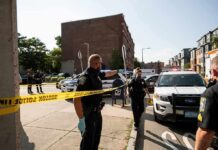
Walled Lake police said a single vehicle left the road and crashed on Saturday, October 17, the evening before the Detroit Free Press Marathon. Officers confirmed that the crash killed Grace Nolan, who was 25 years old. Local reporting placed the scene on Decker Road between North Pontiac Trail and West Maple Road. Police said two people were trapped and taken to a hospital, and that Nolan did not survive. Officials did not release a cause as of the initial reports.
Detroit-area outlets and national sports desks reported the news across the weekend and early week. Those reports aligned on core facts: a single-vehicle crash in Walled Lake, a tree impact, two occupants, and Nolan’s death. Coverage stressed that the crash occurred just hours before the race. Reporters noted that authorities had not identified specific factors like speed, impairment, or road defects at that time. The account focused on who, where, and when, while avoiding guesswork on why.
An Elite Runner Poised to Lead the Field
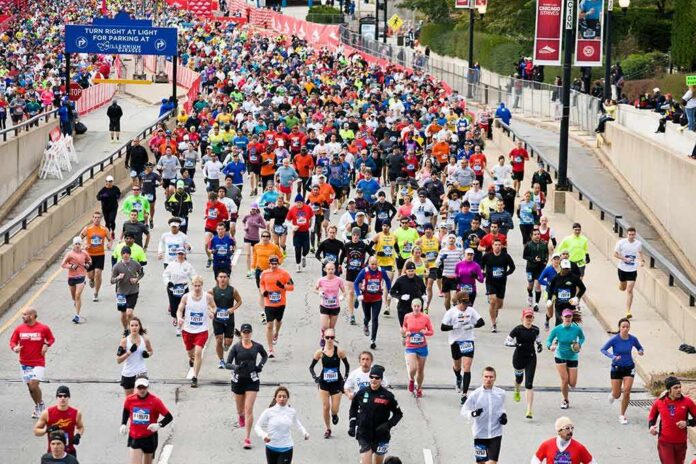
Race officials and sports reporters said Nolan was slated to return as an elite athlete after placing fourth the previous year. She was expected to contend for the women’s lead on October 18. The marathon acknowledged her death and expressed condolences to her family and teammates. Stories highlighted her strong recent results and training. They framed her as a top local competitor ready for a breakthrough performance on her home course before tragedy struck.
Reporters also underscored Nolan’s broader path. She studied at Oakland University and was training while advancing in medical school. Tributes from friends and the running community remembered her work ethic and steady rise. Coverage described a close-knit regional running scene. Many runners said they saw her as both a rival and a role model. That mix of promise and purpose fueled the shared grief that spread through teams, clubs, and race volunteers after the crash.
Community Mourning and What We Know So Far
Statements from race organizers and local outlets captured a swift wave of public mourning. Fellow athletes paused to honor Nolan at training runs and on social media. Coaches spoke about her leadership and kindness. Newsrooms repeated the basic facts on the record and avoided claims that were not verified by police. They noted that many questions about the crash cause would be answered only after a full review by investigators, which can take time.
Coverage from national and lifestyle outlets followed with short profiles. These stories repeated the confirmed details from police and race officials. They emphasized her age, her elite status, and the timing so close to the start line. While the pieces varied in tone, they shared a careful approach on the crash itself. Each stayed within confirmed facts and respected that the official review had not yet pointed to any single factor behind the loss of control.
Road Safety Context in Michigan
State data shows Michigan roads remain dangerous even as some safety metrics improve. Michigan State Police reported 1,065 roadway deaths in 2025, a three percent drop from 2024. Total crashes rose slightly to 290,221 in 2025. The data shows the scale of risk across the state on any given day. It explains why single-vehicle, loss-of-control crashes are a common part of the fatal crash picture, even when overall deaths tick down.
Detroit is mourning Grace Nolan.
She was a 25-year-old medical student who placed fourth in last year's Detroit Free Press Marathon, her first marathon. She was killed in a car crash early on race morning, Oct 18, and was set to lead this year's women's elite field. pic.twitter.com/RAivuR1DKf
— RetiSports (@RetiSports) October 22, 2026
Public officials stress that one crash does not prove any single cause. They point to common risks such as speed, distraction, and fatigue, which can turn small mistakes into deadly events. For families and communities, those numbers are not abstract. They are the backdrop to losses like Nolan’s. Many people on all sides of politics agree on at least this much: basic safety and smart roads matter, and government at every level must do the boring, steady work that saves lives.
Sources:
youtube.com, detroitnews.com, freep.com, fox2detroit.com, ground.news, michigan.gov