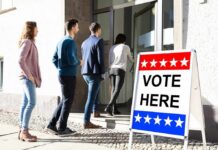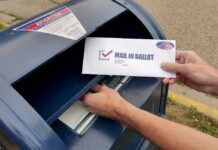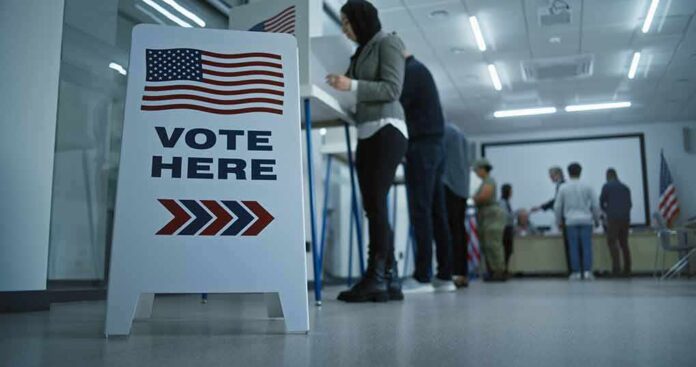
America’s top general put in writing that the U.S. military has no plans to send troops to polling places or seize ballots this November, even as a senator warns the door is still ajar elsewhere.
Story Snapshot
- Joint Chiefs Chair Gen. Dan Caine said there are no plans to deploy troops to polls or seize election materials.
- Sen. Elissa Slotkin pressed for written pledges from Pentagon leaders after Defense Secretary Pete Hegseth declined a categorical promise.
- The Pentagon said election security is a state and local job, not the military’s role.
- White House and Pentagon figures called the scenario hypothetical, while critics labeled Slotkin’s warning a conspiracy theory.
What Slotkin Asked, and Why It Matters
Sen. Elissa Slotkin asked Defense Secretary Pete Hegseth and Joint Chiefs Chair Gen. Dan Caine to confirm the military would not go to polling places or seize ballots or voting machines in the 2026 midterms. She said a sudden federal role would be a red flag for voters. Her letters stressed that running elections is a job for states and cities, not soldiers. She made the push public in August and kept pressing through the fall as voting neared.
Slotkin also warned at a policy event that a made-up emergency could be used to shake public trust near Election Day. She did not cite an active plan. She framed the risk as two paths: hype a threat and send federal forces, or claim local police cannot handle a new danger. The concerns landed in a season when fear of meddling runs high on both sides of the aisle, and faith in federal leaders is low.
What The Pentagon Put In Writing
Gen. Dan Caine wrote that the military has no plans to send federal troops or federalized National Guard to polling sites and no plans to seize ballots, voting machines, or other election materials. He also said election administration and security belong to state and local officials, not the armed forces. An assistant secretary echoed that the Department of Defense has no plan to interfere with election materials or deploy troops to the polls. These statements set a clear public marker.
Those pledges sit next to a gap that keeps the debate alive. When asked in an April hearing if he would follow an order to seize ballots, Hegseth called it a “gotcha hypothetical” and said he would not do anything illegal. He did not give the categorical written promise Slotkin wanted by early October updates. That silence does not prove a plan exists, but it leaves room for doubt among wary voters who have seen rules bent before.
How The White House And Critics Responded
The White House chief of staff, Susie Wiles, said the president would not use the military to suppress voting. She called the charge false, full stop, according to reporting that summarized her view. Conservative media went further and called Slotkin’s warning a conspiracy theory, saying she offered no proof of a real plan. These responses aim to calm fears but also risk dismissing questions that deserve straight answers from agencies with power.
Modern law backs the Pentagon’s stance. The Posse Comitatus Act and related rules keep the military out of civilian law enforcement unless Congress says otherwise. Recent research also notes that declaring a national emergency does not grant blanket new powers by itself. Federal help can support overwhelmed areas in rare cases, but elections are designed to be run close to the people, by states and localities.
What’s Still Unclear For Voters
The record shows no order, plan, or directive to send troops to polls or seize voting gear. Slotkin’s scenario remains hypothetical. The clearest facts are the written military denials and Hegseth’s narrower reply in Congress. The open question is not about tanks at precincts. It is whether any federal agency might stretch its role if a late-breaking “threat” is claimed. That is where transparency, in writing, would help restore trust across the board.
Sources:
thegatewaypundit.com, slotkin.senate.gov, pbs.org, senatorslotkin.substack.com, c-span.org, academic.oup.com, apps.dtic.mil, brennancenter.org