
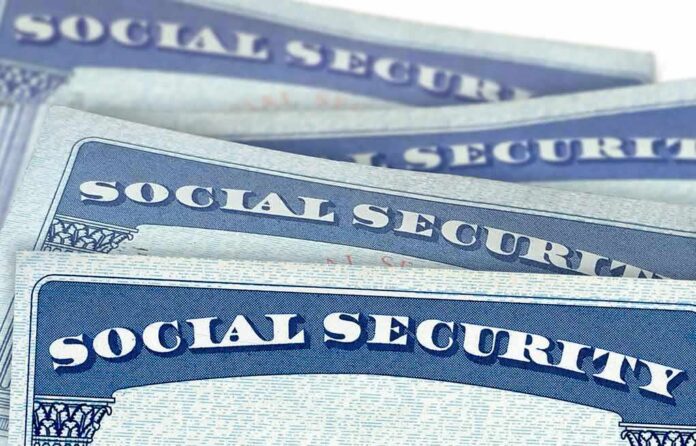
Social Security is now mailing newborn Social Security cards with instructions to claim a government-backed “Trump Account” that may include a $1,000 Treasury contribution for eligible babies.
Story Snapshot
- Social Security added Trump Account instructions to newborn card mailers through Enumeration at Birth.
- Parents are directed to a federal website and app to claim and manage the child’s account.
- Treasury regulations enable automatic account creation and set program authority and timing.
- Eligible children born 2025–2028 may receive a one-time $1,000 contribution.
What Changed In Newborn Mailings
The Social Security Administration said on October 20, 2026, that information about Trump Accounts is now included with Social Security cards issued to newborns through the Enumeration at Birth process. The insert tells parents to visit TrumpAccounts.gov, download the federal app, sign up, and look for communications from the Department of the Treasury. The aim is to make claiming and managing a child’s long-term savings account simpler from day one, using a standard mailing every family already receives.
Social Security previewed this shift on July 3, 2026, when it described an interagency plan with the Department of the Treasury, hospitals, and states to support enrollment in Trump Accounts. The agency said it would update hospital guidance, help states modify forms used at birth, and include Trump Account information in future newborn card mailers. This ties the account to the existing birth registration and Social Security number process, which already reaches most new parents shortly after delivery.
Who Is Eligible And How Accounts Are Set Up
The October 20 release states that eligible children born from January 1, 2025, through December 31, 2028, may receive a one-time $1,000 contribution from the Department of the Treasury. Treasury’s temporary regulations describe authority to establish these accounts under the tax code and permit an initial account to be created without a guardian’s prior election, with automatic enrollment beginning around October 1, 2026. Parents can later claim, verify identity, and manage the account using the federal app and portal described by Social Security.
The notices and regulations describe a path, but they do not promise funding in every case. Social Security uses “may receive,” and Treasury links deposits to eligibility and valid records. The agencies have not, in these documents, provided counts of how many notices were mailed, how many parents claimed accounts, or how many deposits were made. Families should follow the steps in the insert and watch for Treasury messages to confirm the status of a child’s account and any deposit.
Why Automatic Enrollment Matters For Families
Congressional Research Service reviews of children’s savings programs find that automatic enrollment sharply increases participation versus systems that require parents to apply. Past programs in states and cities saw near-universal account holding after moving to automatic models, though simply having an account did not, by itself, guarantee meaningful long-term savings or equal outcomes across groups. The federal move to embed Trump Account claiming in the birth process follows that pattern: reduce friction first, then build use and value over time.
All newborn Social Security cards will now include a notification that their child has a Trump Account and the steps parents can take to claim their $1,000 grant for their child. https://t.co/uO0Cj8mX5J
— Matt Lira (@MattLira) October 20, 2026
The policy also reflects a broader debate that crosses party lines. Many parents want simple, early ways to build wealth for children. Many also worry about data security, consent, fees, and who benefits from managing investments. The federal materials emphasize access and early seeding, while leaving financial choices to families as they claim and manage accounts. Clear disclosures, strong identity checks, and simple tools will matter as much as the $1,000 seed for trust and lasting impact.
Sources:
facebook.com, ssa.gov, home.treasury.gov, socialsecurityreport.org