Pentagon Secretary Pete Hegseth’s unprecedented address has stirred intense debate, leaving military leaders visibly uneasy.
Story Overview
- President Trump publicly stated that he would consider firing military leaders if dissatisfied with performance or attitude.
- The event highlighted a significant policy focus on discipline and accountability within the U.S. military.
- Defense Secretary Hegseth spoke about the need to end the “war on warriors,” signaling a shift in military culture.
- The Quantico meeting underscored the administration’s shifting defense priorities and commitment to civilian oversight.
Trump’s Assertive Military Leadership Approach
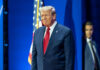
On September 30, 2025, President Donald Trump, along with Defense Secretary Pete Hegseth, addressed top military leaders at Marine Corps Base Quantico, Virginia. The President used the address to emphasize his commitment to military strength and discipline. He stated publicly that he would consider firing generals and admirals if he deemed their performance or attitude unsatisfactory, underscoring his assertive approach to leadership accountability.
The high-profile event, held at a location symbolic of military leadership, was framed by the administration as a strategic move to reinforce military values and leadership culture. Defense Secretary Hegseth supported this stance by referencing an intent to end the “war on warriors,” a term he uses to describe debates about military culture and discipline. This approach signals a definitive moment in the administration’s policy regarding military oversight and performance.
Historical Context and Military Dynamics
President Trump’s relationship with military leadership has historically included periods of tension and public criticism regarding military bureaucracy and effectiveness. This approach continues the trend of the executive branch asserting direct control and decisiveness over the armed forces. Military leaders are now managing the complex balance between demonstrating professional ethics and maintaining loyalty to the commander-in-chief amidst these highly public declarations.
The dynamics between the president and the Joint Chiefs of Staff are critical, given the president’s constitutional authority over military appointments and dismissals. Defense Secretary Hegseth is serving as the primary civilian intermediary, advocating for a significant cultural alignment with the administration’s priorities. The potential for sudden, high-level personnel changes has introduced increased scrutiny and tension within the military ranks.
Implications and Reactions
President Trump’s speech garnered substantial media and political attention, sparking immediate public debates over the appropriateness of such rhetoric in military settings. While some military analysts caution that such threats could negatively affect morale and institutional integrity, supporters argue that assertive civilian oversight is necessary to ensure accountability and eliminate bureaucratic inefficiency.
The broader implications for civil-military relations and defense policy are significant, potentially influencing leadership turnover, career progression, and changes in military culture. While no immediate dismissals were publicly reported, the public scrutiny of military leadership has intensified. The ongoing analysis from defense think tanks and political commentators will continue to shape discussions regarding the future direction of U.S. military policies and institutional independence.
Sources:
https://www.cbsnews.com/live-updates/trump-hegseth-military-leaders-meeting/?utm
https://abcnews.go.com/Politics/pentagons-mystery-meeting-top-ranking-generals/story?id=126055917&utm