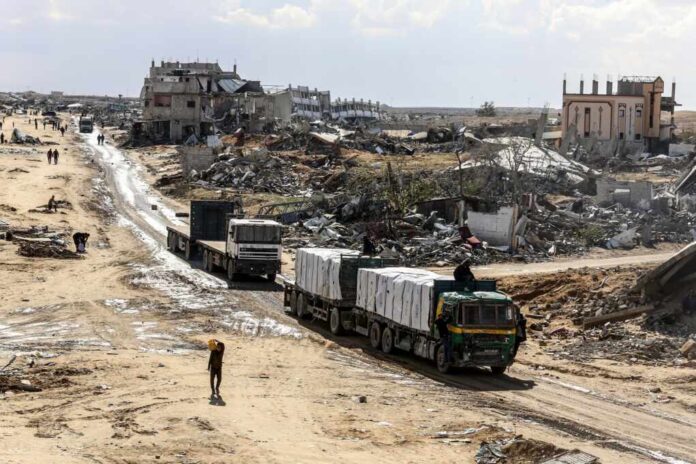
Despite a ceasefire hailed as a new era for peace, violence persists in Gaza, exposing the plan’s fragility.
Story Overview
- Trump’s 20-point Gaza peace plan was announced as a historic breakthrough.
- Ceasefire has not prevented ongoing violence, questioning the plan’s effectiveness.
- Hamas and Israel exchange hostages and prisoners, but disarmament remains unresolved.
- Arab mediators play a vital role in maintaining fragile peace amid violations.
Trump’s Plan and Its Ambitions
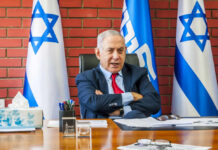
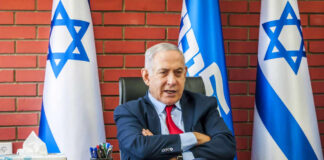
On September 29, 2025, President Trump announced a 20-point Gaza peace plan at a White House press conference with Israeli Prime Minister Benjamin Netanyahu. The plan set an October 5 deadline for Hamas to accept terms, including the release of hostages and a transition to technocratic governance in Gaza. Despite initial agreements, Hamas refused full disarmament, leading to indirect negotiations in Egypt. The ceasefire, effective from October 10, marked an initial halt in hostilities.
The UN Security Council endorsed the plan on November 17, 2025, lending it international legitimacy. However, the ceasefire’s durability is under scrutiny as over 100 Israeli shillings have been reported by Hamas sources. This ongoing violence, alongside humanitarian aid blockages, questions the effectiveness and sincerity of the ceasefire implementation.
🚨 BREAKING: The White House has begun releasing President Trump's 20-point peace plan between Israel and Gaza
PRESIDENT TRUMP would chair the transition board
Major points are as follows:
➡️ HOSTAGES & PRISONERS: All hostages, both alive and deceased, to be returned within 72… pic.twitter.com/zeeNafhNHy
— Nick Sortor (@nicksortor) September 29, 2025
Challenges and Criticisms
Critics argue that Trump’s framing of this ceasefire as a transformative breakthrough is premature, given the persistent military actions and humanitarian denials. This plan, unlike prior proposals during the Biden administration, involves Arab mediators such as Qatar, Egypt, and Türkiye. The plan’s multilateral nature is intended to facilitate phased steps toward disarmament and technocratic governance in Gaza.
Trump’s initiative, building upon his previous Abraham Accords, aims to address the core issues from the October 7, 2023, Hamas attack on Israel. The plan’s narrow focus on hostage exchange and initial withdrawal has stalled further progress on disarmament. The loss of hostage leverage is expected to compel Hamas toward further concessions.
Future Prospects and Implications
As of late December 2025, the ceasefire holds, albeit fragilely, with IDF rotations indicating preparations for the next phase. Trump plans to announce significant developments regarding the International Stabilization Force and technocratic governance in January 2025. These announcements are pending a December 29 meeting with Netanyahu at Mar-a-Lago.
The hostage releases and aid entry have temporarily reduced casualties, but ongoing violations risk re-escalation. Long-term success hinges on the comprehensive disarmament of Hamas and the establishment of governance that ensures stability in the region. This plan, if successful, could strengthen U.S. influence in the Middle East and set a precedent for multilateral ceasefires.
Sources:
Gaza Peace Plan – Wikipedia
IntelBrief 2025 – The Soufan Center
Guide to Trump’s Twenty-Point Gaza Peace Deal – CFR
Israel-Hamas Ceasefire: Trump’s Impact – Northeastern
Israel Rotates Military Units in Gaza – Long War Journal
The Gaza Ceasefire Deal and the Trump Administration – Arab Center DC