In a bold move, Colombian President Gustavo Petro threatens to “take up arms” in response to President Trump’s provocations, igniting fears of a diplomatic crisis.
Story Highlights
- Colombian President Petro vows armed resistance against US pressures.
- Tensions escalate following US military actions in Venezuela.
- Petro’s statement underscores historical guerrilla roots and regional instability.
- The Trump administration’s aggressive stance impacts US-Latin American relations.
Petro’s Provocative Statement
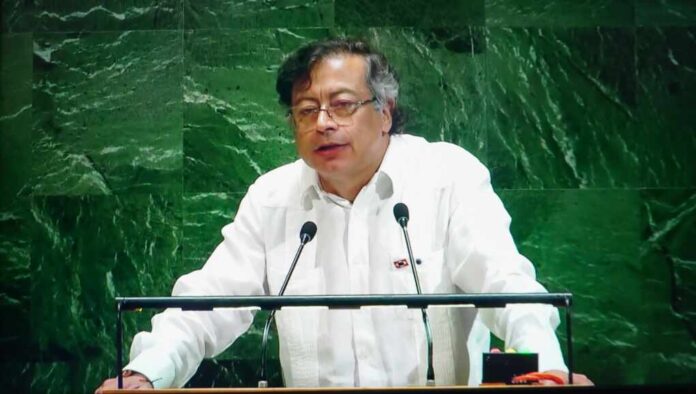
On January 5, 2026, President Gustavo Petro of Colombia made a dramatic declaration on X (formerly Twitter), stating he would “take up arms” in response to escalating threats from US President Donald Trump. This bold assertion comes after months of harsh exchanges between the two leaders, culminating in a weekend of inflammatory remarks from Trump towards Petro. The Colombian leader’s statement not only marks a significant escalation but also draws upon his past as a former guerrilla, symbolizing a defiance rooted in personal history.
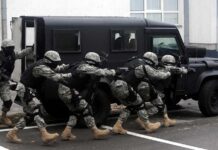
Petro’s comments arrived shortly after a US military raid in Caracas, Venezuela, led by Delta Force, which captured Venezuelan President Nicolás Maduro. This operation has further intensified regional tensions, and Trump’s subsequent insults—calling Petro “a sick man who likes making cocaine”—have only added fuel to the fire. Petro’s readiness to resort to arms reflects a broader resistance to perceived US military aggression in Latin America.
🚨 LMFAO! Colombia's drug lord President Petro vows to "TAKE UP ARMS" against President Trump if necessary
He also threatens to UNLEASH the "popular jaguar" if the US military steps foot on their soil 😭
Imagine thinking you will out-maneuver Trump 🤣pic.twitter.com/vROutYomHV
— Eric Daugherty (@EricLDaugh) January 5, 2026
US-Colombia Relations Under Strain
The Trump administration’s decision to conduct military operations in the Caribbean, including strikes on alleged drug-trafficking boats and seizures of Venezuelan oil tankers, has exacerbated the situation. In addition, Trump has imposed financial sanctions on Petro and his family, accusing them of drug trafficking without evidence. These actions have led to Colombia’s removal from the US list of drug war allies, further straining diplomatic relations.
Trump’s administration has maintained close ties with Colombia’s right-wing opposition, aiming to influence the upcoming 2026 legislative and presidential elections. The US’s aggressive posture suggests an intention to support Petro’s political rivals, potentially seeking a shift in Colombian governance through electoral means. This dynamic has placed additional pressure on Petro, who must navigate both international and domestic challenges.
International and Regional Reactions
Internationally, the tension between the US and Colombia has drawn significant attention. UN Secretary-General Antonio Guterres has called for respect for sovereignty and territorial integrity, emphasizing the importance of diplomatic solutions. Meanwhile, Mexico’s President Claudia Sheinbaum has criticized the US’s dominant approach, asserting that the Americas do not belong to any single power.
In Venezuela, Maduro’s capture has sparked protests from pro-Maduro supporters, with rallies in Caracas and vocal support from Venezuelan parliament deputies. This regional instability highlights the far-reaching implications of the US’s military interventions, raising concerns about future engagements and their potential to destabilize Latin America.
Sources:
Euronews: Colombian President Ready to ‘Take Up Arms’ in Face of Trump Threats
PRNigeria: Trump Take Arms Colombian
Strait Times: Colombian President Ready to ‘Take Up Arms’ in Face of Trump Threats
TRT World: Article on Trump’s Regional Objectives
Le Monde: Trump Eyes New Targets After Toppling Maduro