A disturbing trend of Americans inviting demonic influences into their homes through haunted dolls reveals the dangerous erosion of traditional Christian values and common sense protective instincts.
Story Overview
- Woman named Samantha reports terrifying Christmas paranormal activity from haunted Santa doll
- Historical cases like Annabelle and Robert the Doll show escalating dangerous patterns
- Podcast hosts and collectors profit from selling “haunted” items to vulnerable Americans
- Expert warnings about demonic portals ignored in favor of entertainment value
Christmas Terror From Supernatural Forces
Samantha, featured on the Homespun Haints podcast, describes Christmas as her most terrifying time due to poltergeist activity surrounding a creepy Santa doll. The doll moves independently from storage areas to bathrooms, photos of it vanish mysteriously, and paranormal activity intensifies during the holiday season. Despite the terror it causes, Samantha attempts to placate the entity with snacks while refusing to remove it from her home due to family objections.
Historical Precedents Reveal Dangerous Pattern
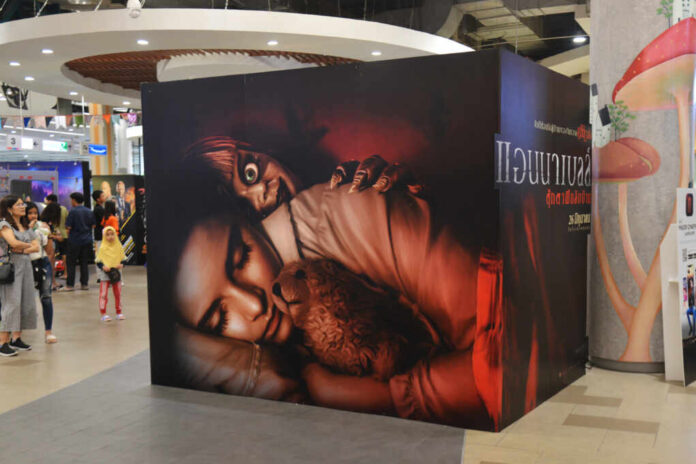
The modern haunted doll phenomenon traces back to notorious cases like Robert the Doll from Key West in the early 1900s and Annabelle, a Raggedy Ann doll given as a Christmas gift in 1971. Both cases involved escalating supernatural activity including movement, temperature drops, and physical attacks on residents. Annabelle’s case specifically began after Christmas, with roommates noting disturbing behavior shortly after the holiday gifting, leading to choking incidents and other violent manifestations.
Paranormal investigators Ed and Lorraine Warren deemed Annabelle so dangerous they contained it in a museum after determining it served as a demonic portal. The Warrens specifically warned against seances and attempts to communicate with entities, explaining these practices empower demons rather than benign child spirits. Their professional assessment contradicts the casual “befriending” approach many modern collectors adopt.
Commercialization Exploits Vulnerable Americans
Podcast hosts like Becky from Homespun Haints profit from this dangerous trend by selling haunted items through Etsy while simultaneously divesting her own collection to avoid possession risks. This hypocritical approach prioritizes financial gain over protecting customers from potential spiritual harm. The commercialization of supernatural entities through social media platforms and horror entertainment normalizes inviting unknown forces into family homes.
Traditional American values once emphasized protecting the home as a sacred family space, yet modern collectors deliberately introduce objects with documented histories of violence and disruption. This represents a fundamental breakdown of protective instincts that previous generations understood intuitively. The trend reflects broader cultural shifts away from biblical warnings about spiritual discernment and the reality of evil forces.
Sources:
Scary Christmas Stories About a Haunted Doll – Homespun Haints
Haunted Dolls: Fact or Fiction? – Weekly Spooky
Annabelle the Haunted Doll – Boston Ghosts
Paranormal Activity During Christmas – Lemon8