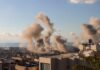
A new seismic event threatens Japan’s coastal regions, highlighting the need for robust disaster preparedness.
Story Highlights
- A 7.2-magnitude earthquake has struck off northeastern Japan’s coast.
- A tsunami advisory has been issued, urging evacuations in affected areas.
- Japan’s advanced warning systems are being put to the test.
- Emergency services are assessing damage and conducting infrastructure checks.
Earthquake Triggers Tsunami Advisory
A 7.2-magnitude earthquake struck off the coast of northeastern Japan, generating a tsunami advisory for parts of the Pacific coastline. The Japan Meteorological Agency (JMA) swiftly issued the advisory, urging residents in low-lying coastal areas to evacuate to higher ground. This seismic event is a stern reminder of the region’s vulnerability, given its location within the Pacific “Ring of Fire” and the historical context of the devastating 2011 Tōhoku earthquake.
Authorities have been quick to respond, activating emergency systems and advising vigilance against potential aftershocks. The rapid issuance of a tsunami advisory underscores the importance of Japan’s sophisticated early-warning systems, which have been continually enhanced since the 2011 disaster. These systems are critical in ensuring public safety and minimizing casualties by facilitating timely evacuations.
Impact on Infrastructure and Services
The earthquake has led to significant disruptions in transportation services, with rail operators like JR halting operations to conduct safety inspections. Airports and ports are also on high alert, monitoring structures for potential damage. While the initial reports have not indicated catastrophic structural failures, the preventive measures are essential to ensure the safety of commuters and service personnel.
Power utilities and nuclear facilities in the region are undertaking thorough inspections to prevent any radiological or large-scale power incidents. The effectiveness of these inspections is crucial in maintaining public confidence in Japan’s disaster management capabilities, especially in light of past nuclear safety concerns.
Historical and Future Preparedness
Japan’s preparedness for seismic events has evolved significantly over the years. Since the 2011 Tōhoku earthquake, the country has bolstered its coastal defenses and evacuation infrastructure. Regular drills and public awareness campaigns have been integral in fostering a culture of readiness among residents, ensuring that they take necessary precautions during such emergencies.
7.2-magnitude earthquake strikes off Japan’s coast, triggers tsunami alert #Earthquake #Tokyo #Weatherhttps://t.co/mtrPc8uInc
— Daniela Collins (@romans11732) December 8, 2025
Looking forward, this event serves as a critical test of Japan’s current disaster response mechanisms. It may prompt further assessments of existing infrastructure and lead to advancements in technology and policy designed to withstand future seismic threats. The resilience of Japan’s communities and infrastructure against natural disasters remains a model for other nations facing similar challenges.
Sources:
Magnitude 7.2 quake strikes off Japan’s coast
Magnitude 7.5 earthquake in north Japan injures 23 people
Japan Earthquake Today LIVE: All tsunami advisories lifted as threat passes after