President Trump’s latest move to designate Antifa as a terrorist organization reignites debates over executive power and civil liberties.
Story Highlights
- Trump renews efforts to classify Antifa as a terrorist group.
- The announcement follows the assassination of Charlie Kirk.
- Legal experts question the feasibility of domestic terror designations.
- Antifa’s decentralized nature complicates legal actions.
Trump’s Renewed Effort
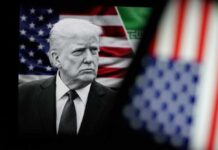
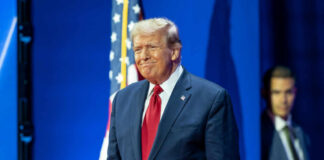
President Donald Trump has officially announced his intention to designate Antifa as a “major terrorist organization.” This decision follows the assassination of conservative activist Charlie Kirk, an event that has heightened tensions and brought renewed focus on domestic extremism. Trump’s statement was made via a post on Truth Social, where he also called for investigations into the funding sources behind Antifa. This move revisits a controversial topic from Trump’s previous term, where similar efforts were discussed but not implemented.
The President’s announcement aims to position his administration as tough on left-wing extremism, resonating with his conservative base. However, the feasibility of designating a domestic group as a terrorist organization is legally contested. The U.S. currently lacks a formal mechanism for such designations, which are typically reserved for foreign entities. Legal scholars and national security analysts have expressed concerns about the implications of this move, citing potential challenges to civil liberties and the First Amendment.
Trump designates ANTIFA as terrorist organization
Legal experts note this triggers federal investigation protocols for funding sources, enhanced surveillance authorities, and potential asset freezes
Civil li🅱️erties preparing constitutional challenges. DOJ timeline unclear. pic.twitter.com/nUa6nk0WqU
— Boi Agent One (@boiagentone) September 18, 2025
Legal and Practical Challenges
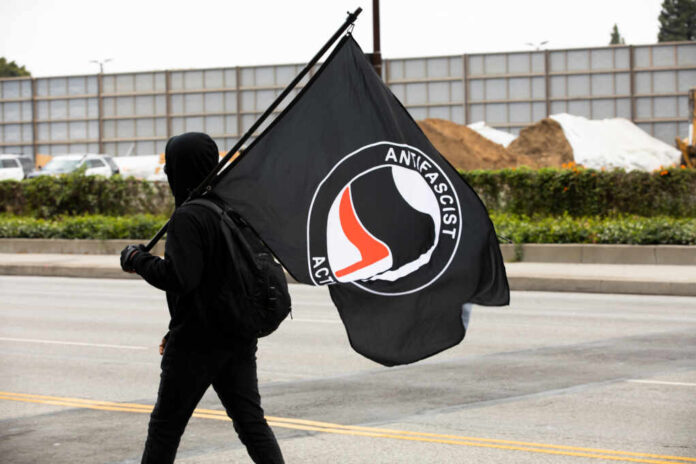
Antifa, known for its decentralized structure and lack of formal leadership, presents significant legal challenges for any potential designation as a terrorist organization. Despite being associated with protests against far-right rallies and occasional property damage, Antifa’s organization does not fit the typical mold of terrorist groups. This complicates efforts to prosecute its members or supporters under existing anti-terrorism laws. Legal experts argue that targeting such a movement could set a precarious precedent for political dissent and protest rights in the United States.
Historically, no domestic group has been formally designated as a terrorist organization under U.S. law. Previous administrations have relied on other legal tools, such as RICO and material support statutes, to address domestic extremism. Trump’s announcement, therefore, signals a significant political stance but does not translate into immediate legal action. Analysts warn of increased political polarization and potential escalations in protests or counter-protests, particularly given the current volatile political climate.
Potential Impacts and Reactions
Trump’s announcement has sparked discussions on the broader implications of such a designation. In the short term, it is likely to increase political polarization and lead to heightened tensions between left- and right-wing groups. Law enforcement agencies may face pressure to act on the President’s call, potentially straining resources and complicating their mandate to balance public safety with civil liberties. Media and tech platforms might also experience increased scrutiny over content related to Antifa.
Long-term consequences could include a chilling effect on protest and dissent, as well as legal challenges to executive authority. Civil liberties advocates warn that such moves could erode constitutional protections, while conservative commentators argue it is necessary for public safety. The debate continues to unfold, with legal experts emphasizing the need for careful consideration of the implications for American civil society.
Sources:
https://www.reuters.com/world/us/trump-targets-antifa-movement-terrorist-organization-2025-09-18/?utm
https://abcnews.go.com/Politics/trump-hell-seek-designate-antifa-major-terrorist-organization/story?id=125693568&utm