A new policy threatens multilateral forum norms, igniting a diplomatic storm over alleged human rights abuses.
Story Snapshot
- President Trump announced that South Africa will not participate in the 2026 G20 summit in Miami.
- The decision references allegations of human rights violations, which have been widely debated and disputed.
- Diplomatic tensions between the United States and South Africa have increased following this announcement.
- G20 consensus principles are under discussion as a result of this decision.
Trump’s Controversial Exclusion of South Africa
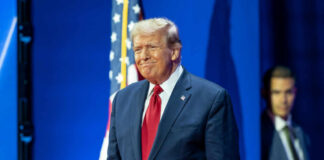
President Donald Trump stated that South Africa will not be invited to the 2026 G20 summit, citing concerns over alleged human rights violations against certain groups in the country. Trump previously boycotted the 2025 G20 summit in Johannesburg, the first hosted by an African nation, and used social media to communicate his position. Experts and organizations, including the United Nations Human Rights Office, have found no evidence to support claims of systemic “white genocide” in South Africa.
South African President Cyril Ramaphosa responded to Trump’s announcement, calling the decision “regrettable” and emphasizing South Africa’s entitlement to G20 membership. Ramaphosa highlighted the importance of multilateral engagement and equal participation in global forums, urging other G20 members to maintain established consensus-based procedures.
Diplomatic Fallout and Gavel Incident
Tensions escalated during the 2025 G20 summit in Johannesburg when the United States sent a junior embassy official instead of a senior representative. South African President Ramaphosa declined to transfer the G20 presidency gavel, citing protocol and the absence of a senior U.S. official.
U.S. foreign aid to South Africa decreased from $564 million in 2024 to $103 million in 2025, according to USAID budget data. These reductions, alongside potential trade discussions, have contributed to growing diplomatic friction between the two countries.
Implications for the G20 and Global Governance
Observers note that excluding a G20 member could challenge the forum’s consensus-based decision-making process. Countries such as China and Russia have historically advocated for full inclusion of all members. Analysts from the Atlantic Council and other international policy think tanks have highlighted the potential impact on global coordination for economic and climate policy if unilateral actions by individual countries become common.
The debate underscores broader questions about the resilience of multilateral forums in times of rising geopolitical tensions and the ability of the G20 to maintain unity among its diverse members.
.@PressSec: "The United States is not participating in official talks at the G20 in South Africa. I saw the South African President running his mouth a little bit against the United States and @POTUS… and that language is not appreciated by @POTUS and his team." pic.twitter.com/82sli52oRD
— Rapid Response 47 (@RapidResponse47) November 20, 2025
Sources:
Times of India: South Africa Fires Back as Trump Torches It Over ‘White Genocide’
Atlantic Council: After a Lackluster G20 in South Africa, Trump Can Take the Group Back to Basics in 2026