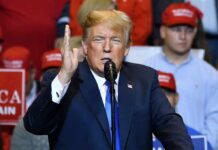
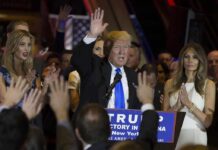
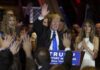
President Trump boldly warns that cartels are running Mexico, demanding action to protect American lives from fentanyl flooding our borders.
Story Highlights
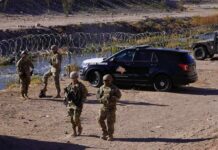
- Trump threatens U.S. ground operations against Mexican cartels, prioritizing America First border security.
- Mexican President Sheinbaum rejects intervention, touting 50% fentanyl drop and major seizures.
- Mexico kills CJNG leader El Mencho in February 2026 using U.S. intel, proving coordination without troops.
- Sheinbaum affirms “coordination without subordination,” amid Trump’s repeated cartel crackdown rhetoric.
Trump’s Firm Stance on Cartel Threat
President Donald Trump insists Mexican cartels control the country, fueling deadly fentanyl flows into the U.S. During his second term, Trump issued at least three public threats of U.S. ground operations on Mexican soil. This America First approach targets narcoterrorism killing American families. Private and public pressure on Mexican President Claudia Sheinbaum escalated early 2026. Trump’s rhetoric echoes his first-term tariff warnings over drugs and migration, renewed after his 2024 re-election. Conservatives applaud this tough posture securing borders and saving lives from overdose epidemics rooted in cartel dominance.
January 13 Phone Call and Mexico’s Response
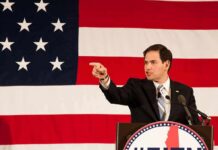
On January 13, 2026, Trump and Sheinbaum held a 15-minute call where she firmly rejected U.S. troop deployment. Sheinbaum highlighted Mexico’s gains: 50% fentanyl reduction to the U.S., destruction of labs, and 700 kg drug seizures in Durango, Sinaloa, and Michoacán. The prior day, U.S. Secretary of State Marco Rubio spoke with Mexican Foreign Minister Juan Ramón de la Fuente on enhanced cooperation against narcoterrorists. Post-call, Sheinbaum’s press conference stressed “coordination without subordination.” This diplomacy underscores Trump’s leverage pushing Mexico toward results without overreach.
Mexico Ramps Up Anti-Cartel Operations
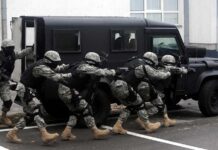
Mexico shifted aggressively, killing CJNG leader Nemesio Oseguera, “El Mencho,” in a February 2026 special forces raid using U.S. intelligence but no American troops. On February 3, authorities arrested Tequila’s mayor for CJNG extortion ties. Security Minister Omar García Harfuch, a survivor of a 2020 assassination attempt, leads these operations with credibility from Mexico City successes. Sheinbaum, inheriting AMLO’s “hugs not bullets” but facing public frustration, denies a “war on drugs” label while ramping military actions. These moves deter U.S. intervention, stabilizing ahead of the 2026 World Cup co-hosting.
Sheinbaum enjoys over 70% approval, consolidating Morena power by ousting corrupt allies like Adán Augusto López. Public sentiment shows 70% of Mexicans fed up with lawlessness, some open to limited U.S. help despite sovereignty vows. Trump’s pressure validates the need for strong borders, as cartels disrupt fuel, arms trafficking, and industries like tequila production.
WATCH: Trump Calls Out Mexican President Claudia Sheinbaum – "The Cartels Are Running Mexico. We Can't Have That!" | The Gateway Pundit | by Jordan Conradson https://t.co/3tLG3am2QR
— Mac (@letsrollTRUMP) March 14, 2026
Implications for U.S. Security and Relations
Short-term, Mexico’s actions boost Sheinbaum’s image and avert tariffs or troops, but El Mencho’s death risks violence spikes from successor battles. Long-term, intel-sharing models could reduce U.S. fentanyl deaths without endless foreign entanglements. Experts like David Mora note equipping Mexican forces yields results, though aftermath may turn messy. Rodolfo Soto warns narco falls multiply violence like weeds. Brookings observes Sheinbaum responds to U.S. demands, cleaning house politically. Trump’s insistence protects American sovereignty, countering globalist weakness that let cartels thrive.
Sources:
EL PAÍS: Claudia Sheinbaum curbs Trump’s interventionist appetite
Brookings: Mexican President Claudia Sheinbaum is cleaning house and consolidating power